May 29, 2024
5 mins read

Israel denies strike on camp near Rafah

International unease over Israel’s three-week-old Rafah offensive has turned to outrage after an attack on Sunday set off a blaze in a tent camp in a western district of the city, killing at least 45 people…reports Asian Lite News

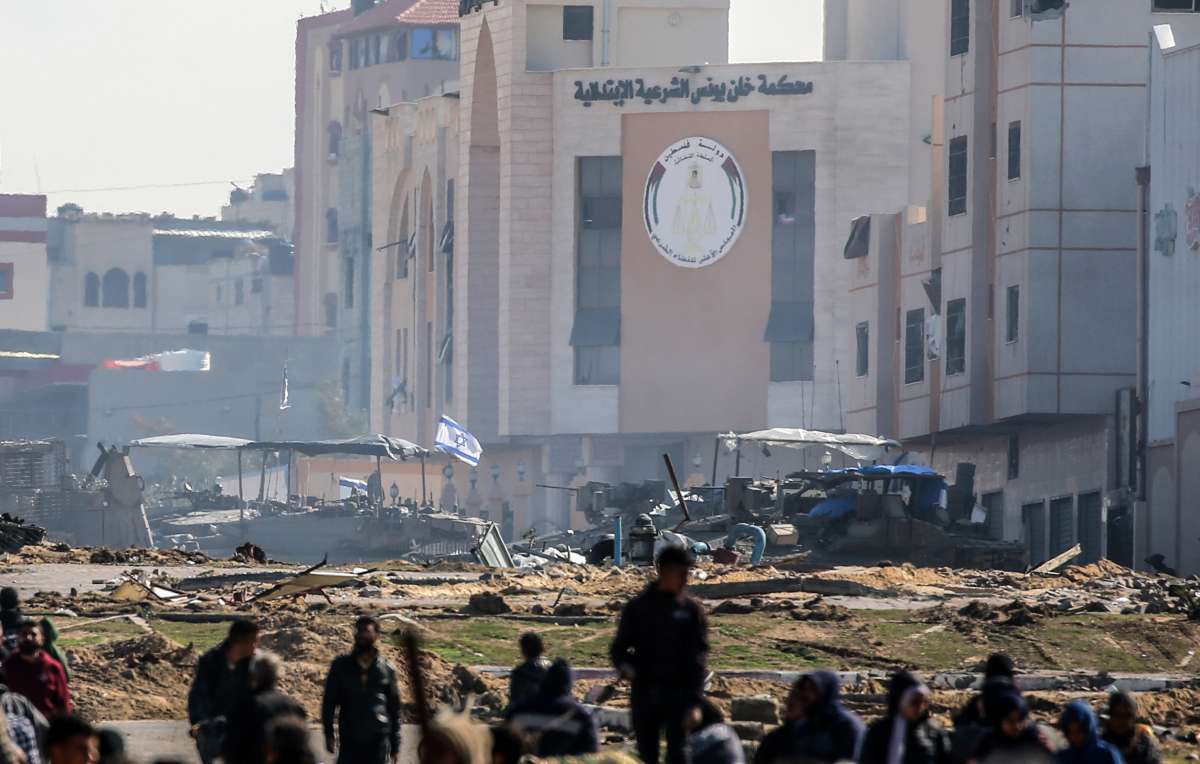
Israel’s military denied striking a tent camp west of the city of Rafah on Tuesday after Gaza health authorities said Israeli tank shelling had killed at least 21 people there, in what Israel has designated a civilian evacuation zone.

Earlier, defying an appeal from the International Court of Justice (ICJ), Israeli tanks advanced to the heart of Rafah for the first time after a night of heavy bombardment, while Spain, Ireland and Norway officially recognized a Palestinian state, a move that further deepened Israel’s international isolation.

The United States, Israel’s closest ally, reiterated its opposition to a major Israeli ground offensive in Rafah but said it did not believe such an operation was underway.

Two days after an Israeli airstrike on another camp stirred global condemnation, Gaza emergency services said four tank shells hit a cluster of tents in Al-Mawasi, a coastal strip that Israel had advised civilians in Rafah to move to for safety.

At least 12 of the dead were women, according to medical officials in the Hamas militant-run Palestinian enclave.

But Israel’s military later said in a statement: “Contrary to the reports from the last few hours, the IDF (Israel Defense Forces) did not strike in the Humanitarian Area in Al-Mawasi.”

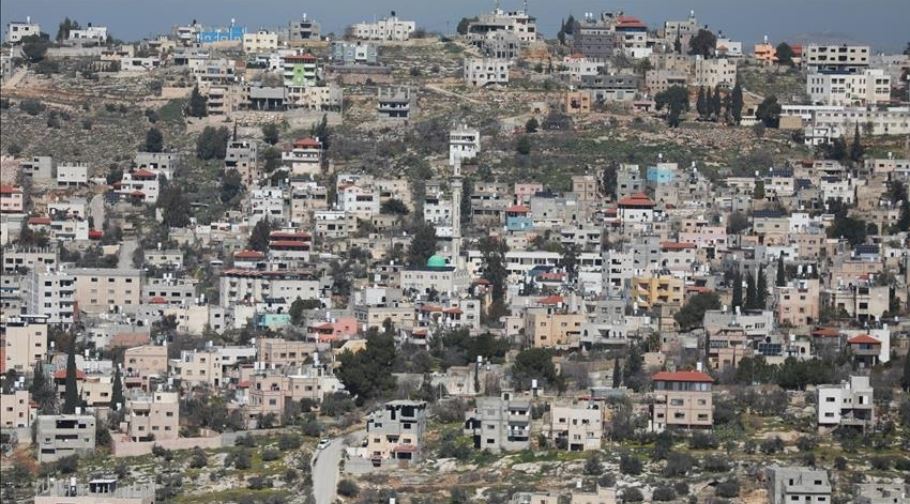
Tuesday’s incident in Al-Mawasi occurred in an area designated by Israel as an expanded humanitarian zone. Israel had urged Palestinian civilians in Rafah, including around one million displaced by the almost eight-month-old war, to evacuate there when it launched its incursion in early May.

In central Rafah, tanks and armored vehicles mounted with machine guns were spotted near Al-Awda mosque, a city landmark, witnesses told Reuters. The Israeli military said its forces continued to operate in the Rafah area, without commenting on reported advances into the city center.

International unease over Israel’s three-week-old Rafah offensive has turned to outrage after an attack on Sunday set off a blaze in a tent camp in a western district of the city, killing at least 45 people.

Israel said it had targeted two senior Hamas operatives and had not intended to cause civilian casualties.

Global leaders voiced horror at the fire in a designated “humanitarian zone” of Rafah where families uprooted by fighting elsewhere had sought shelter, and urged the implementation of a World Court order last week for a halt to Israel’s assault.

The Israeli military said it was investigating the possibility that munitions stored near a compound targeted by Sunday’s airstrike may have ignited and touched off the blaze.

Residents said Rafah’s Tel Al-Sultan neighborhood, the scene of Sunday’s night-time strike in which tents and shelters were set ablaze as families settled down to sleep, was still being bombarded.

“Tank shells are falling everywhere in Tel Al-Sultan. Many families have fled their houses in western Rafah under fire throughout the night,” one resident told Reuters via a chat app.

The Biden administration said on Tuesday it was closely monitoring the probe into Sunday’s air strike. US Vice President Kamala Harris said: “The word tragic doesn’t even begin to describe” what happened on Sunday.

But White House spokesman John Kirby said there was nothing in the incidents on Sunday or on Tuesday that would prompt the United States to halt its military aid to Israel.

UN Secretary-General Antonio Guterres added his voice to the chorus of condemnation of Sunday’s strike and again urged Israel to allow “the immediate, safe and unhindered delivery of humanitarian assistance to those in need.”

In a further blow to aid efforts, a part of the US military’s pier off Gaza’s coast has broken off, probably due to bad weather, rendering it temporarily inoperable, two US officials said. The United Nations has transported 137 trucks of aid from the pier since it began operations two weeks ago.

Spain, Norway and Ireland said they hoped their decision to recognize a Palestinian state would speed up efforts toward securing a ceasefire in Israel’s war against Hamas militants, which has reduced much of the densely populated territory to rubble.

Egypt is again trying in tandem with Qatar and the US to revive talks on a ceasefire and the release of hostages held by Hamas, but efforts have been hampered by Israel’s assault on Rafah, Cairo’s state-affiliated Al-Qahera News TV channel said on Tuesday, citing a senior official.

Around one million people — many repeatedly uprooted by shifting waves of the war — have fled the Israeli offensive in Rafah since early May, the UN agency for Palestinian refugees (UNRWA) reported on Tuesday.

Israel seized control of the Rafah border crossing with Egypt three weeks ago. Its tanks then entered some eastern districts of the city but had previously not rumbled into the center in full force.

On Tuesday, witnesses also reported gunbattles between Israeli troops and Hamas-led fighters in the area of the Zurub hilltop in western Rafah.

More than 36,000 Palestinians have been killed in Israel’s offensive, Gaza’s health ministry says. Israel launched its air and ground war after Hamas-led militants attacked southern Israeli communities on Oct. 7, killing around 1,200 people and seizing more than 250 hostages, according to Israeli tallies.

Israel says it wants to root out the last major intact formations of Hamas fighters hunkered down in Rafah and rescue hostages it says are being held in the area.

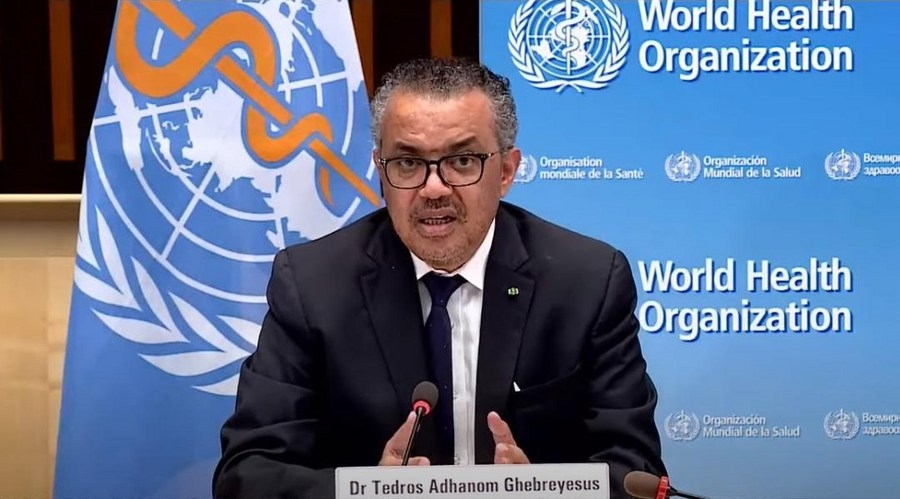
ALSO READ-WHO chief urges countries to quickly seal pandemic deal
Previous Story

Spain, Norway, Ireland formally recognise Palestinian statehood

Next Story

WHO condemns ‘abrupt halt’ to medical evacuations from Gaza

Previous Story

Spain, Norway, Ireland formally recognise Palestinian statehood

Next Story

WHO condemns ‘abrupt halt’ to medical evacuations from Gaza

Latest from -Top News

Pakistan Risks Overstretching Itself in Yemen War

Pakistan’s expanding military role in Saudi Arabia amid the Yemen conflict could strain its defence resources and fragile finances…reports Asian Lite News Desk Pakistan’s military involvement in the war in Yemen may prove unsustainable because of mounting financial pressures and competing security demands, according to a new report. Islamabad’s growing military presence in Saudi Arabia risks stretching its defence resources while exposing the country to greater strategic and economic challenges. An article by Andrew Wilson in One World Outlook describes Pakistan’s involvement as a case of “fiscal and strategic overreach”, arguing that the country lacks the financial flexibility to sustain an expanded military commitment. Pakistan’s external finances depend heavily on an International Monetary Fund (IMF) programme, financial support from Gulf countries and remittances from Pakistani workers in the region. The report argues that deeper military involvement in the conflict could place additional pressure on these sources of financial stability. It also warns that deploying troops and military equipment abroad could weaken Pakistan’s capacity to address security challenges along its eastern border and deal with two domestic insurgencies. The move could also draw Islamabad into a conflict it has sought to approach cautiously. A Reuters report in May, citing Pakistani security and government sources, said Islamabad had deployed around 8,000 troops, a squadron of approximately 16 aircraft, mostly JF-17 fighter jets, two drone squadrons and a Chinese HQ-9 air-defence battery to Saudi Arabia. According to those sources, Riyadh was financing the deployment, with Pakistani personnel operating the equipment. The sources also said a confidential agreement contemplated the possibility of deploying up to 80,000 troops. Islamabad has not confirmed those figures, although it has acknowledged its military presence in Saudi Arabia, including the deployment of fighter jets at King Abdulaziz Air Base from April. The One World Outlook article argues that Saudi financial support can cover allowances and operating expenses but cannot easily replace military equipment needed elsewhere or resolve the political and strategic challenges of participating in the Yemen conflict. Pakistan’s defence budget is another concern. For the 2026-27 financial year, the federal government allocated PKR 3 trillion, or approximately $10.8 billion, to defence services. The allocation represents an 18 per cent increase from the original PKR 2.55 trillion provision and amounts to around 2.1 per cent of projected gross domestic product (GDP). Defence spending accounts for approximately 16 per cent of the federal government’s PKR 18.8 trillion expenditure. Military pensions are budgeted separately at PKR 822 billion, while debt servicing costs stand at approximately PKR 8 trillion, more than two-and-a-half times the defence allocation. The report argues that these competing financial obligations leave little room for additional military expenditure without placing further pressure on public finances. Pakistan’s reliance on IMF assistance also limits its fiscal flexibility. The country must meet the conditions attached to the programme, including a primary budget surplus target of 2 per cent of GDP and continued restraint on development spending. According to the article, these requirements make it difficult for Islamabad to finance an additional military commitment without compromising other budgetary priorities. Pakistan’s economic indicators offer limited reassurance. Economic growth for the 2025-26 financial year is estimated at between 3.6 and 3.7 per cent, while inflation reached approximately 10.3 per cent in September following an energy price shock. Foreign exchange reserves stood at around $21.5 billion at the end of September. Although this marks an improvement from the low levels recorded in 2023, the report notes that the reserves cover only a few months of imports. Financial assistance from Gulf partners remains central to Pakistan’s external stability. The article says Islamabad holds approximately $8 billion in Saudi deposits at its central bank. In July, the State Bank of Pakistan said Riyadh had extended the maturity of $5 billion in deposits to December 2028, easing the country’s immediate external financing requirements. A further $3 billion deposit was also extended in the spring. However, the article argues that these arrangements provide temporary relief rather than long-term financial independence, particularly as regional conflict threatens the stability of the Gulf economies on which Pakistan relies. The report concludes that Pakistan faces a difficult balance between supporting Saudi Arabia militarily and preserving the financial and military resources needed to address its domestic and regional challenges.

UK and Germany Ratify Kensington Treaty

Britain and Germany ratify the Kensington Treaty, agreeing new cooperation on AI, quantum research, defence and security while targeting investment, jobs and Russian hybrid threats…reports Asian Lite News Desk Britain and Germany
Go toTop

Don't Miss

All Eyes On Gaza Border As Israeli Tanks Await Orders

Israeli tanks and troops deployed near Gaza, indicating a potential

Hamas, Israel nearing pact on hostage release

However, those familiar with the talks have cautioned that the