March 16, 2025
4 mins read

US expels South African envoy 

The office for South Africa’s president on Saturday called the decision “regrettable”, adding that the country remained committed to building a mutually beneficial relationship with the US 

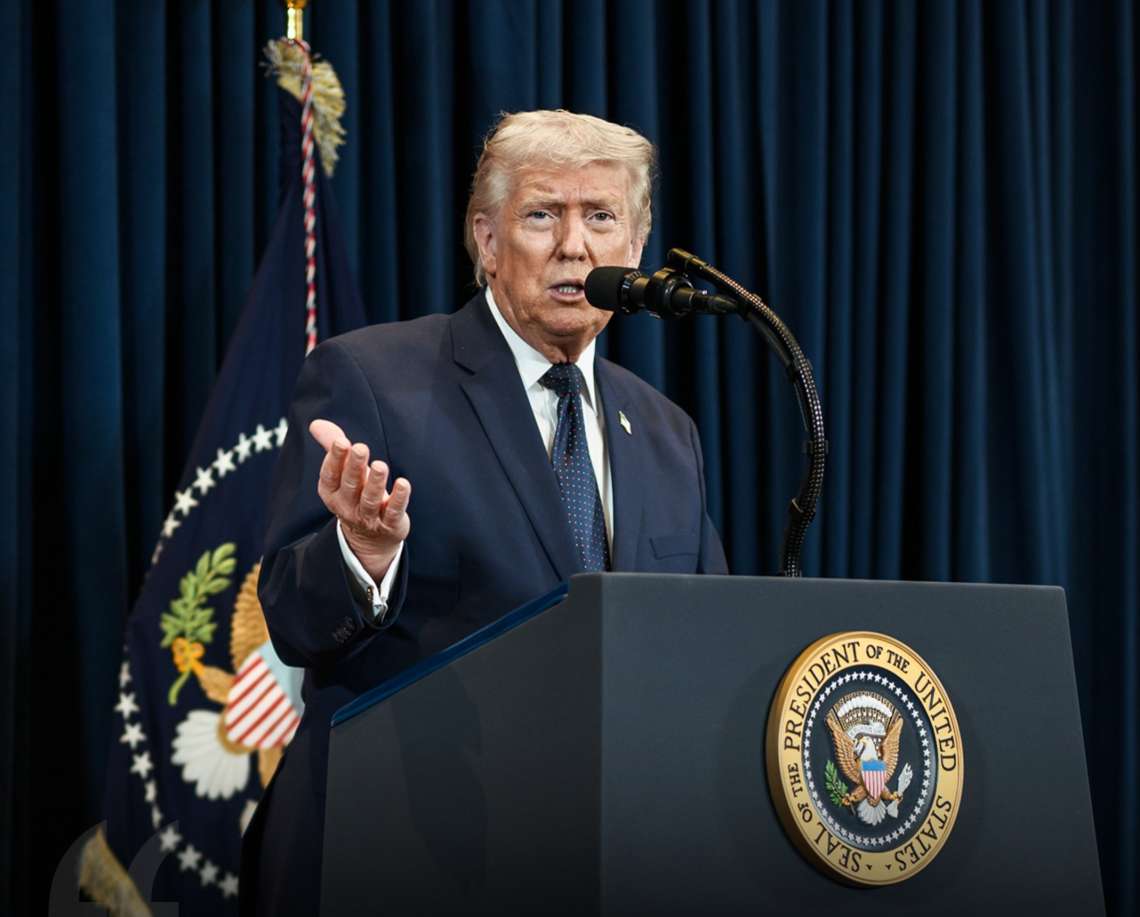
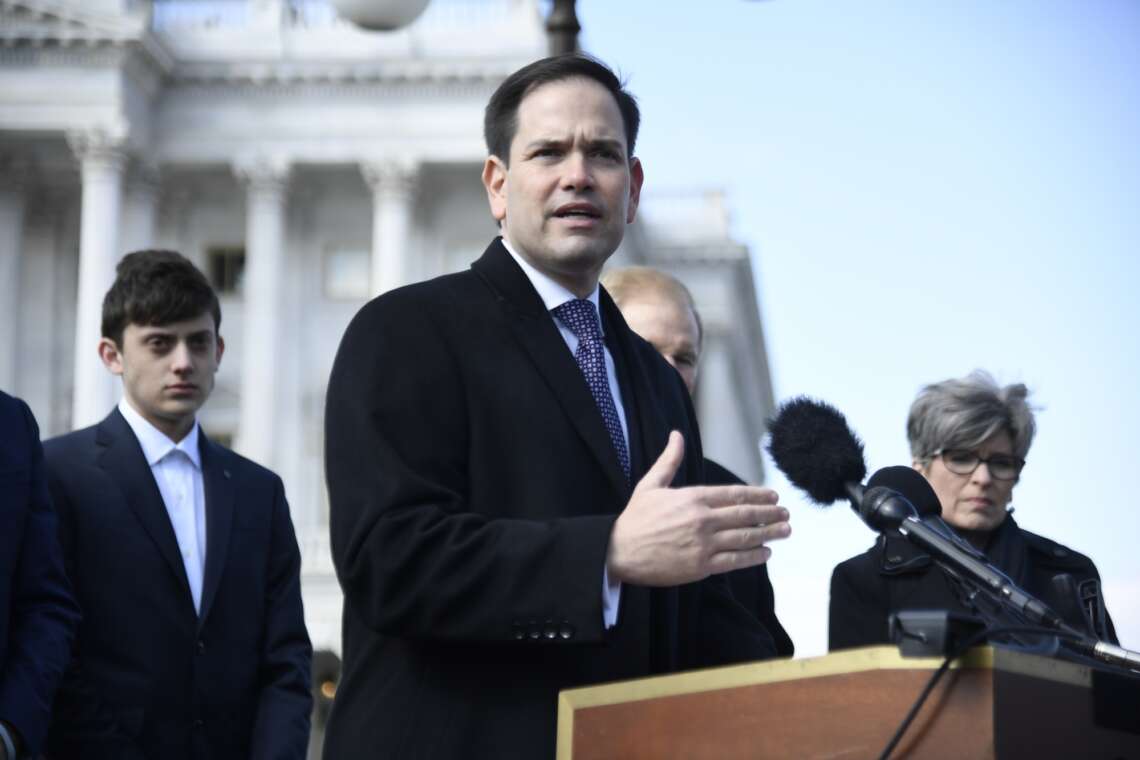
The US is expelling South Africa’s ambassador to Washington, with Secretary of State Marco Rubio describing him as a “race-baiting politician”. In a post on X, Rubio accused Ebrahim Rasool of hating the US and President Donald Trump, and said the ambassador was “no longer welcome in our great country”. 

The office for South Africa’s president on Saturday called the decision “regrettable”, adding that the country remained committed to building a mutually beneficial relationship with the US. 

The rare move by the US marks the latest development in rising tensions between the two countries. While lower-ranking diplomats are sometimes expelled, it’s highly unusual in the US for it to happen to a more senior official. 

In his post on Friday, Rubio linked to an article from the right-wing outlet Breitbart that quoted some of Rasool’s recent remarks made during an online lecture about the Trump administration. 

At the event, Rasool said Trump was “mobilising a supremacism” and trying to “project white victimhood as a dog whistle” as the white population faced becoming a minority in the US. 

“We see it in the domestic politics of the USA, the Maga movement as a response not simply to a supremacist instinct, but to very clear data that shows great demographic shifts in the USA in which the voting electorate in the USA is projected to become 48% white,” he said. 

He suggested that South Africa was under attack because “we are the historical antidote to supremacism”. In response, Rubio called Rasool “PERSONA NON GRATA”, referencing the Latin phrase for “unwelcome person”. 

Ties between the US and South Africa have been deteriorating since Trump took office. An executive order last month – which froze US assistance to South Africa – cited “unjust racial discrimination” against white Afrikaners, largely descended from Dutch settlers who first arrived in the 17th Century. 

It references a new law, the Expropriation Act, that it claims targets Afrikaners by allowing the government to take away private land. 

“As long as South Africa continues to support bad actors on the world stage and allows violent attacks on innocent disfavoured minority farmers, the United States will stop aid and assistance to the country,” a statement from the White House said at the time. 

South Africa’s 2022 census noted that white people – including Afrikaners – made up 7.2% of the population. However, according to a 2018 land audit by the South African government, white farmers owned 72% of the country’s individually-held farmland. 

South Africa’s government, which is made up of 10 parties led by the African National Congress (ANC), said earlier that the US president’s actions were based on “a campaign of misinformation and propaganda aimed at misrepresenting our great nation”. 

It added no land had been seized without compensation and said this would only happen in exceptional circumstances, such as if land was needed for public use and all other avenues to acquire the land had been exhausted. 

A fact sheet from the White House states the country “blatantly discriminates against ethnic minority descendants of settler groups”. Rasool – who previously served as US ambassador from 2010 to 2015 – was himself forcibly removed from his home in Cape Town’s District Six as a child after it was declared a white area under the Apartheid government. 

He would later describe the eviction as a significant moment in his upbringing which guided his future. Rasool became Pretoria’s ambassador to the US again in 2024. 

Unnamed sources in the South African government told online news site Daily Maverick at the time that he was thought to be well placed to deal with a Trump administration because of the experience and contacts he had acquired during his first stint as ambassador. 

The Presidency of South Africa has expressed regret over the expulsion of South African Ambassador to the United States Ebrahim Rasool.  

According to a statement issued on Saturday by the presidency, it has noted the regrettable expulsion of the South African ambassador and urged all relevant and impacted stakeholders to maintain the established diplomatic decorum in their engagement with the matter. 

“South Africa remains committed to building a mutually beneficial relationship with the United States,” said the presidency. 

In the address, Rasool accused Trump of “leading a global white supremacist movement” and breaking down established norms and practices when it comes to diplomacy, Xinhua news agency reported. 

Trump signed an executive order in February to cut financial assistance to South Africa, citing disapproval of its land policy and accusing the country of “seizing ethnic minority Afrikaners’ agricultural property.” The move also came amid South Africa’s genocide case against Washington’s ally, Israel, at the International Court of Justice. 

On March 10, South Africa’s Presidential Climate Commission (PCC) had expressed regret over the United States’ withdrawal from the Paris Agreement and the Just Energy Transition Partnership (JETP). 
Previous Story

Liverpool Eyes Carabao Comeback 

Next Story

Southern African bloc ends military mission in DR Congo 

Previous Story

Liverpool Eyes Carabao Comeback 

Next Story

Southern African bloc ends military mission in DR Congo 

Latest from -Top News

Pakistan Risks Overstretching Itself in Yemen War

Pakistan’s expanding military role in Saudi Arabia amid the Yemen conflict could strain its defence resources and fragile finances…reports Asian Lite News Desk Pakistan’s military involvement in the war in Yemen may prove unsustainable because of mounting financial pressures and competing security demands, according to a new report. Islamabad’s growing military presence in Saudi Arabia risks stretching its defence resources while exposing the country to greater strategic and economic challenges. An article by Andrew Wilson in One World Outlook describes Pakistan’s involvement as a case of “fiscal and strategic overreach”, arguing that the country lacks the financial flexibility to sustain an expanded military commitment. Pakistan’s external finances depend heavily on an International Monetary Fund (IMF) programme, financial support from Gulf countries and remittances from Pakistani workers in the region. The report argues that deeper military involvement in the conflict could place additional pressure on these sources of financial stability. It also warns that deploying troops and military equipment abroad could weaken Pakistan’s capacity to address security challenges along its eastern border and deal with two domestic insurgencies. The move could also draw Islamabad into a conflict it has sought to approach cautiously. A Reuters report in May, citing Pakistani security and government sources, said Islamabad had deployed around 8,000 troops, a squadron of approximately 16 aircraft, mostly JF-17 fighter jets, two drone squadrons and a Chinese HQ-9 air-defence battery to Saudi Arabia. According to those sources, Riyadh was financing the deployment, with Pakistani personnel operating the equipment. The sources also said a confidential agreement contemplated the possibility of deploying up to 80,000 troops. Islamabad has not confirmed those figures, although it has acknowledged its military presence in Saudi Arabia, including the deployment of fighter jets at King Abdulaziz Air Base from April. The One World Outlook article argues that Saudi financial support can cover allowances and operating expenses but cannot easily replace military equipment needed elsewhere or resolve the political and strategic challenges of participating in the Yemen conflict. Pakistan’s defence budget is another concern. For the 2026-27 financial year, the federal government allocated PKR 3 trillion, or approximately $10.8 billion, to defence services. The allocation represents an 18 per cent increase from the original PKR 2.55 trillion provision and amounts to around 2.1 per cent of projected gross domestic product (GDP). Defence spending accounts for approximately 16 per cent of the federal government’s PKR 18.8 trillion expenditure. Military pensions are budgeted separately at PKR 822 billion, while debt servicing costs stand at approximately PKR 8 trillion, more than two-and-a-half times the defence allocation. The report argues that these competing financial obligations leave little room for additional military expenditure without placing further pressure on public finances. Pakistan’s reliance on IMF assistance also limits its fiscal flexibility. The country must meet the conditions attached to the programme, including a primary budget surplus target of 2 per cent of GDP and continued restraint on development spending. According to the article, these requirements make it difficult for Islamabad to finance an additional military commitment without compromising other budgetary priorities. Pakistan’s economic indicators offer limited reassurance. Economic growth for the 2025-26 financial year is estimated at between 3.6 and 3.7 per cent, while inflation reached approximately 10.3 per cent in September following an energy price shock. Foreign exchange reserves stood at around $21.5 billion at the end of September. Although this marks an improvement from the low levels recorded in 2023, the report notes that the reserves cover only a few months of imports. Financial assistance from Gulf partners remains central to Pakistan’s external stability. The article says Islamabad holds approximately $8 billion in Saudi deposits at its central bank. In July, the State Bank of Pakistan said Riyadh had extended the maturity of $5 billion in deposits to December 2028, easing the country’s immediate external financing requirements. A further $3 billion deposit was also extended in the spring. However, the article argues that these arrangements provide temporary relief rather than long-term financial independence, particularly as regional conflict threatens the stability of the Gulf economies on which Pakistan relies. The report concludes that Pakistan faces a difficult balance between supporting Saudi Arabia militarily and preserving the financial and military resources needed to address its domestic and regional challenges.

UK and Germany Ratify Kensington Treaty

Britain and Germany ratify the Kensington Treaty, agreeing new cooperation on AI, quantum research, defence and security while targeting investment, jobs and Russian hybrid threats…reports Asian Lite News Desk Britain and Germany

Economic tide is turning in Bangladesh

If there is one thing that can bring some comfort to the struggling Bangladeshi economy, it is good relations with India. Bangladesh should remember that Delhi’s backing, through easy supplies of essentials
Go toTop

Don't Miss

‘India cooperating with US probe on Nijjar assassination bid’

High Commissioner to Canada said India was absolutely and decidedly

US Lawmakers Rally for India

US Lawmakers stressed that support for deepening ties with India