Steenhuisen said the solution lies in technology and innovation transfer, particularly to bridge the gap between those who invent and those who need access to those inventions
Countries worldwide have to work together to address food insecurity, climate volatility, and systemic exclusion, which continue to threaten the stability of global food systems, said a South African official.
Agriculture Minister John Steenhuisen made the remarks in Durban at the G20 Agriculture Working Group meeting, running from Wednesday to Friday. He said South Africa is facing rising input costs, unpredictable climate shocks, and constrained fiscal spaces.
Steenhuisen said the solution lies in technology and innovation transfer, particularly to bridge the gap between those who invent and those who need access to those inventions. Countries have to build systems that can feed the world without destroying the ecosystems that support them, he added.
Steenhuisen highlighted the urgent pressures that keep agricultural stakeholders awake at night, including the increasing frequency of devastating animal and plant diseases, the worsening impacts of climate change, persistent poverty and high levels of hunger. “South Africa is committed to an approach that is inclusive, transparent, and focused on action. As the host country and chair of this working group, we are deeply committed to ensuring that this working group becomes a platform for collective ambition, practical collaboration, and long-term transformation,” the Minister said.
The Minister said that no country could face these crises alone and called for strengthened global cooperation, built on the principles of Ubuntu, which emphasise collective action, mutual respect and shared responsibility. “South Africa’s G20 Presidency has placed Ubuntu at the heart of its four agricultural priorities for 2025, reinforcing that only through unity can sustainable solutions be achieved,” Steenhuisen added.
He highlighted four areas to attain this objective. The first is promoting inclusive market participation and food security through ensuring that no farmer, trader, or community is left behind. “We believe that if we work together, we can build a future in which agriculture feeds not just stomachs, but economies, ecosystems, and futures.”
Various working groups of the G20 have been holding meetings in South Africa since the country assumed the G20 presidency on December 1 last year. South Africa will host the G20 Leaders’ Summit in November.
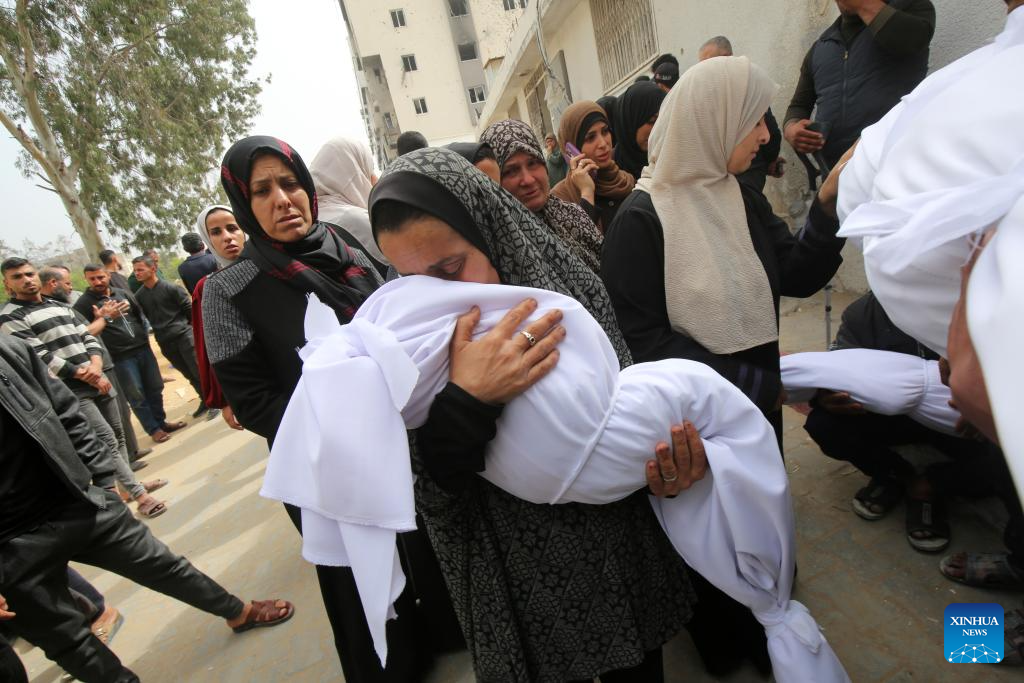
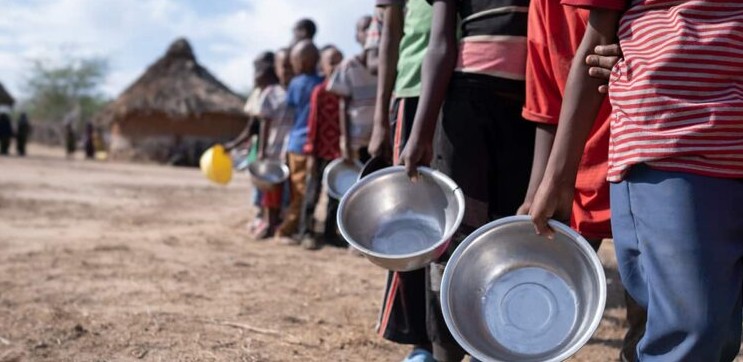
At least 15 million South Africans suffer from food insecurity. That means they don’t have enough nutritious food to live healthy lives. This is due to a combination of factors, including unemployment, poverty, inequality and food system failures.
More than 1,000 children die from malnutrition each year. This compares unfavourably with 350 child deaths from malnutrition in Brazil, which has more than three times South Africa’s population, and 269 child deaths in Colombia, which has about the same per capita income as South Africa.
A robust indicator of chronic hunger is child stunting. Stunting in South Africa has flatlined at around 25%, or one in four children, since the early 1990s. Other middle-income countries such as Brazil and Peru have made impressive progress. Peru halved its rate from 28% in 2008 to 13% in 2016, after the president committed to reducing stunting.
At least 15 million South Africans suffer from food insecurity. That means they don’t have enough nutritious food to live healthy lives.
This is due to a combination of factors, including unemployment, poverty, inequality and food system failures. More than 1,000 children die from malnutrition each year. This compares unfavourably with 350 child deaths from malnutrition in Brazil, which has more than three times South Africa’s population, and 269 child deaths in Colombia, which has about the same per capita income as South Africa.
A robust indicator of chronic hunger is child stunting. Stunting in South Africa has flatlined at around 25%, or one in four children, since the early 1990s. Other middle-income countries such as Brazil and Peru have made impressive progress. Peru halved its rate from 28% in 2008 to 13% in 2016, after the president committed to reducing stunting.
The major challenge in addressing Africa’s high malnutrition rates is that many countries and international organisations don’t value agricultural development for itself. It’s seen as the first step towards industrialisation.
Commercial agriculture has become paramount. It tends to focus on a single crop, with expensive inputs (like fertilisers) and with connections to far-away markets. Smaller farms, focused on production for home consumption and local markets, are less valued. These farms may not add to national economic growth in an important way, but they help the poor achieve food security.