July 20, 2025
2 mins read

Trump Sues Murdoch for $10B

Trump Sues Rupert Murdoch, News Corp and WSJ for $10 Billion Over Epstein Letter Report

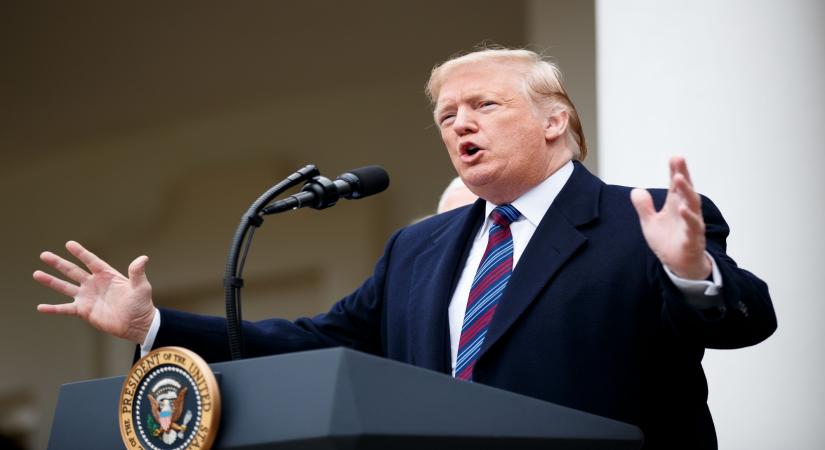
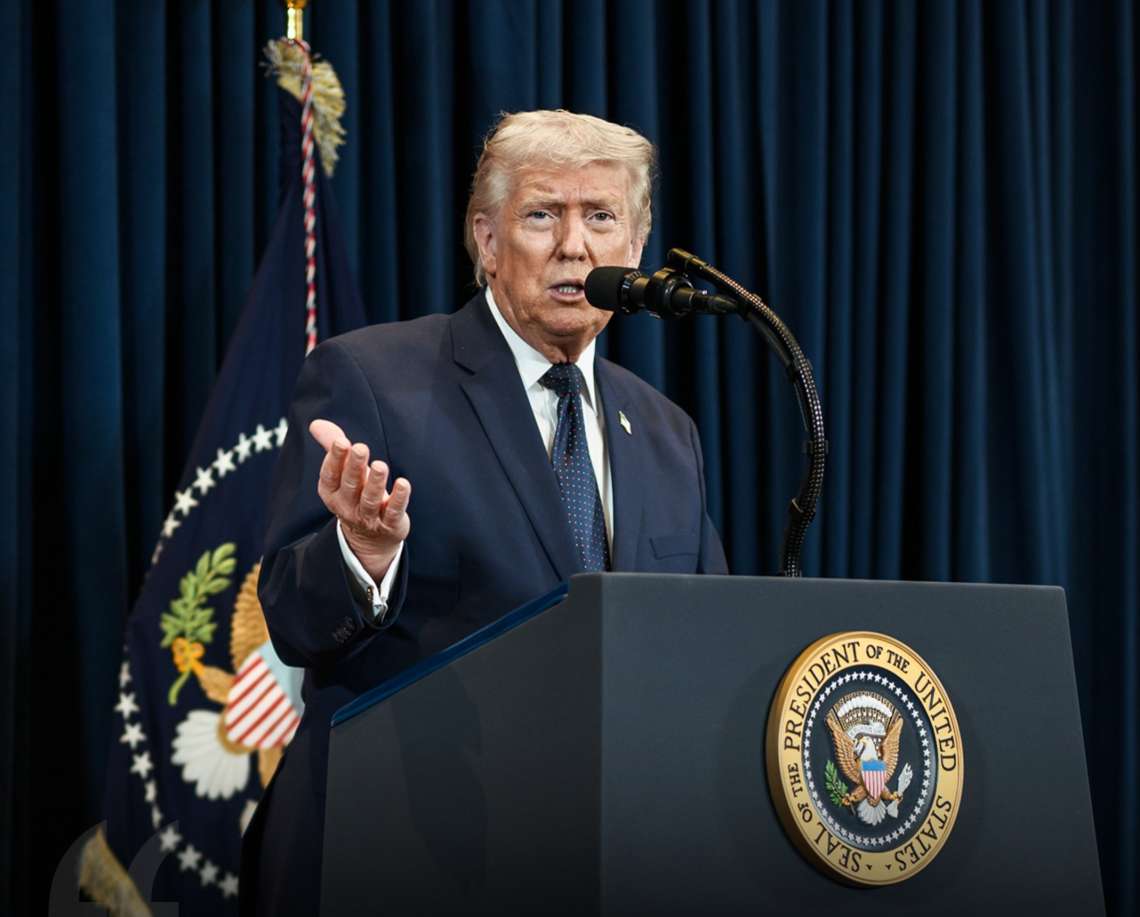
Former U.S. President Donald Trump has launched a $10 billion (£7.5 billion) defamation lawsuit against media mogul Rupert Murdoch, two Wall Street Journal reporters, and the Journal’s parent company, News Corp. The lawsuit, filed in Miami, accuses the defendants of publishing what Trump claims is a false and malicious story linking him to convicted sex offender Jeffrey Epstein.

According to court filings, Trump alleges the Wall Street Journal acted with “malicious intent,” causing severe damage to both his reputation and finances. The article in question reported that Trump had written a suggestive letter to Epstein in 2003, which was allegedly part of a birthday gift collection arranged by Epstein’s former partner, Ghislaine Maxwell.

The Journal described the letter as containing typewritten text and a hand-drawn outline of a naked woman, signed simply “Donald.” Trump has strongly denied the letter’s authenticity.
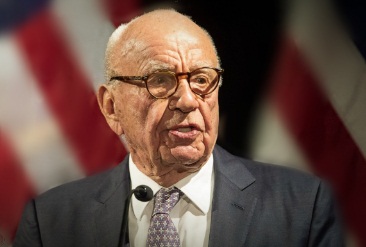
On his social media platform Truth Social, Trump called the lawsuit a “historic legal action” and said it was being filed not only on his behalf but “on behalf of all Americans who will no longer tolerate the abusive wrongdoings of the Fake News Media.”

He further added, “I hope Rupert and his ‘friends’ are looking forward to the many hours of depositions and testimonies they will have to provide in this case.”

Sky News reports that Trump first threatened legal action after the WSJ published the Epstein-related letter on Thursday night. Trump immediately posted that the letter was fake, stating, “These are not my words, not the way I talk. Also, I don’t draw pictures.” He added that he had warned Murdoch not to publish what he called a “scam story.”

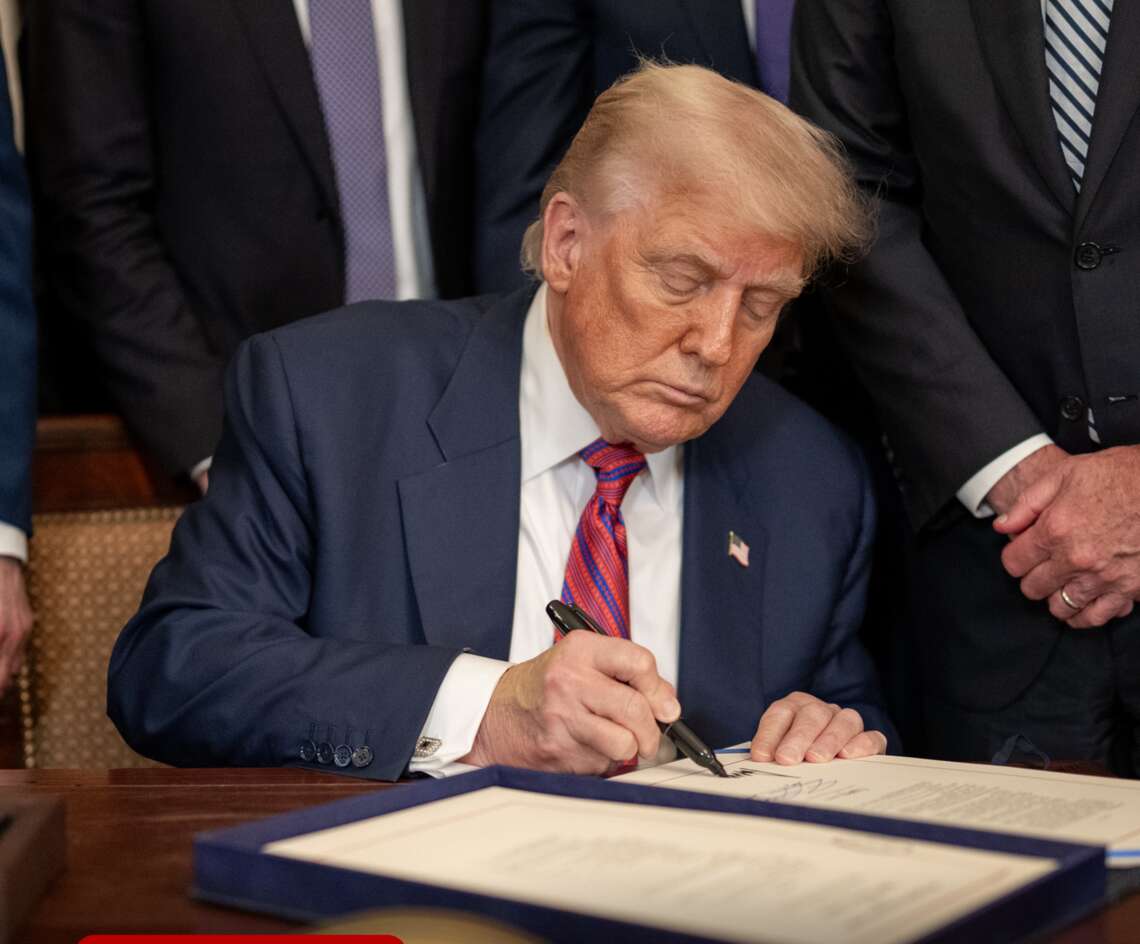
When questioned about Epstein during a White House event where he signed a cryptocurrency bill, Trump declined to respond.

The lawsuit also coincides with renewed public and legal scrutiny surrounding Epstein. On the same day Trump filed his case, the U.S. Justice Department submitted a motion to unseal grand jury transcripts related to Epstein and Maxwell, citing overwhelming public interest. Trump later said Attorney General Pam Bondi had been asked to support the release of the records, but expressed scepticism about whether it would satisfy critics.

“There will always be more, more, more,” he wrote on Truth Social.

Sky News notes that while the Justice Department holds about 200 Epstein-related documents, the FBI possesses thousands more. However, grand jury material remains protected under U.S. law and is rarely made public.

Previous Story

Govt Axes Asylum Hotel Spend

Next Story

US Quits WHO Pandemic Reforms

Previous Story

Govt Axes Asylum Hotel Spend

Next Story

US Quits WHO Pandemic Reforms

Latest from -Top News

Pakistan Risks Overstretching Itself in Yemen War

Pakistan’s expanding military role in Saudi Arabia amid the Yemen conflict could strain its defence resources and fragile finances…reports Asian Lite News Desk Pakistan’s military involvement in the war in Yemen may prove unsustainable because of mounting financial pressures and competing security demands, according to a new report. Islamabad’s growing military presence in Saudi Arabia risks stretching its defence resources while exposing the country to greater strategic and economic challenges. An article by Andrew Wilson in One World Outlook describes Pakistan’s involvement as a case of “fiscal and strategic overreach”, arguing that the country lacks the financial flexibility to sustain an expanded military commitment. Pakistan’s external finances depend heavily on an International Monetary Fund (IMF) programme, financial support from Gulf countries and remittances from Pakistani workers in the region. The report argues that deeper military involvement in the conflict could place additional pressure on these sources of financial stability. It also warns that deploying troops and military equipment abroad could weaken Pakistan’s capacity to address security challenges along its eastern border and deal with two domestic insurgencies. The move could also draw Islamabad into a conflict it has sought to approach cautiously. A Reuters report in May, citing Pakistani security and government sources, said Islamabad had deployed around 8,000 troops, a squadron of approximately 16 aircraft, mostly JF-17 fighter jets, two drone squadrons and a Chinese HQ-9 air-defence battery to Saudi Arabia. According to those sources, Riyadh was financing the deployment, with Pakistani personnel operating the equipment. The sources also said a confidential agreement contemplated the possibility of deploying up to 80,000 troops. Islamabad has not confirmed those figures, although it has acknowledged its military presence in Saudi Arabia, including the deployment of fighter jets at King Abdulaziz Air Base from April. The One World Outlook article argues that Saudi financial support can cover allowances and operating expenses but cannot easily replace military equipment needed elsewhere or resolve the political and strategic challenges of participating in the Yemen conflict. Pakistan’s defence budget is another concern. For the 2026-27 financial year, the federal government allocated PKR 3 trillion, or approximately $10.8 billion, to defence services. The allocation represents an 18 per cent increase from the original PKR 2.55 trillion provision and amounts to around 2.1 per cent of projected gross domestic product (GDP). Defence spending accounts for approximately 16 per cent of the federal government’s PKR 18.8 trillion expenditure. Military pensions are budgeted separately at PKR 822 billion, while debt servicing costs stand at approximately PKR 8 trillion, more than two-and-a-half times the defence allocation. The report argues that these competing financial obligations leave little room for additional military expenditure without placing further pressure on public finances. Pakistan’s reliance on IMF assistance also limits its fiscal flexibility. The country must meet the conditions attached to the programme, including a primary budget surplus target of 2 per cent of GDP and continued restraint on development spending. According to the article, these requirements make it difficult for Islamabad to finance an additional military commitment without compromising other budgetary priorities. Pakistan’s economic indicators offer limited reassurance. Economic growth for the 2025-26 financial year is estimated at between 3.6 and 3.7 per cent, while inflation reached approximately 10.3 per cent in September following an energy price shock. Foreign exchange reserves stood at around $21.5 billion at the end of September. Although this marks an improvement from the low levels recorded in 2023, the report notes that the reserves cover only a few months of imports. Financial assistance from Gulf partners remains central to Pakistan’s external stability. The article says Islamabad holds approximately $8 billion in Saudi deposits at its central bank. In July, the State Bank of Pakistan said Riyadh had extended the maturity of $5 billion in deposits to December 2028, easing the country’s immediate external financing requirements. A further $3 billion deposit was also extended in the spring. However, the article argues that these arrangements provide temporary relief rather than long-term financial independence, particularly as regional conflict threatens the stability of the Gulf economies on which Pakistan relies. The report concludes that Pakistan faces a difficult balance between supporting Saudi Arabia militarily and preserving the financial and military resources needed to address its domestic and regional challenges.
Go toTop

Don't Miss

US announces $988 mn assistance package for Ukraine 

This package is designed to strengthen Ukraine’s capabilities in its

Biden to visit Vietnam amid China tensions

The United States and Vietnam have increasingly close trade links,