July 20, 2025
4 mins read

Govt Axes Asylum Hotel Spend

UK Cuts Asylum Hotel Spending by a Third, but Challenges Persist

The UK government slashed its hotel accommodation costs for asylum seekers by nearly a third over the past financial year, according to newly released Home Office figures. From April 2024 to March 2025, spending fell to £2.1 billion—down from £3 billion the previous year. That equates to roughly £5.77 million per day, a significant drop from £8.3 million.

According to BBC reports, the savings were largely driven by reduced nightly rates and increased room sharing, after the government pushed for cheaper accommodation options. The average cost per person per night dropped from £162.16 in March 2023 to £118.87 by March 2025.

Despite these savings, concerns remain about the sustainability of the approach. Dr Peter Walsh of Oxford University’s Migration Observatory warned that the recent surge in small boat arrivals could reverse the trend. “I don’t think hotels are going away anytime soon based on current trends,” he said.

Hotel accommodation continues to be used when no alternative housing is available. The government, however, remains committed to ending its use by the close of this Parliament.

As of March 2025, 32,345 people were being housed in asylum hotels—an increase from 29,585 in June 2024, although still lower than December’s peak. A senior Home Office official said the reduction in costs stemmed mainly from moving many asylum seekers—particularly families and children—into cheaper, non-hotel housing such as local homes and Houses in Multiple Occupation (HMOs), often arranged via contracts with providers like Serco.

Room-sharing policies also contributed to savings. Though the exact number of people sharing rooms isn’t publicly confirmed, Home Office minister Angela Eagle previously stated that “people can double up or treble up” when space allows.

The number of hotels in use dropped from 273 in March 2024 to 202 by March 2025, a reduction of 71 facilities.

Not all government asylum initiatives have fared as well. The Home Office wrote off £48.5 million in public funds after the Labour government cancelled the Conservative plan to use RAF Scampton in Lincolnshire to house asylum seekers. A department source noted that the site, even if completed, would have been costlier than hotels.

Additionally, the UK has forfeited £270 million previously paid to Rwanda as part of the Conservative Party’s now-defunct asylum transfer scheme. Only four individuals were voluntarily relocated before the Labour government axed the programme. According to BBC News, the Rwandan government has asserted it is under no obligation to return the money.
Syria Claims Back in Play

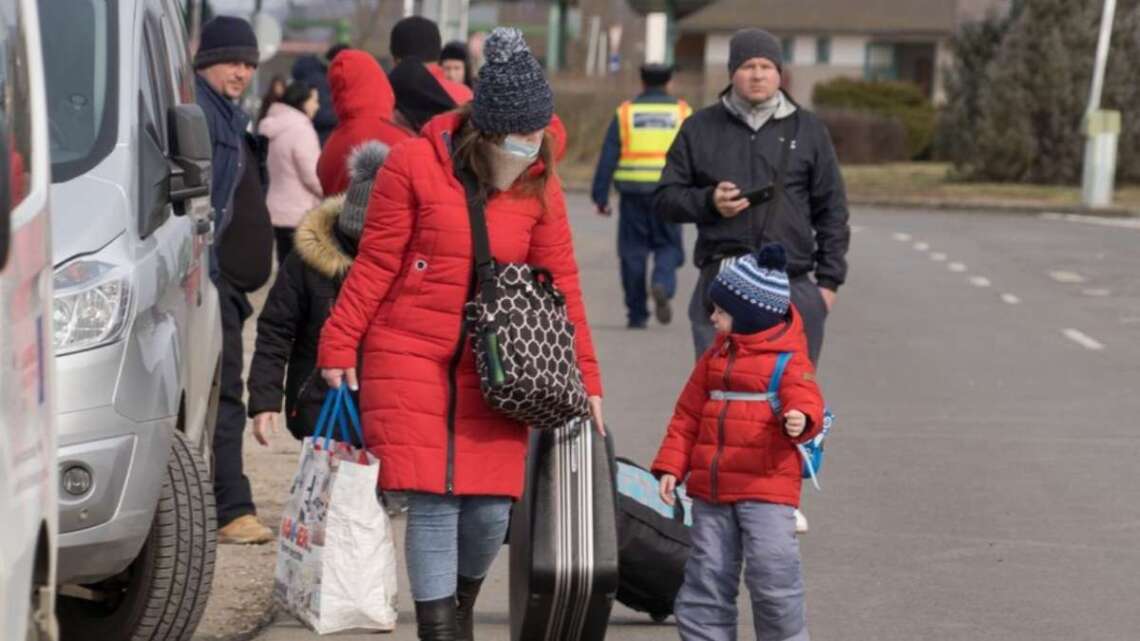
The UK government has resumed processing asylum applications from Syrian nationals, ending a pause of more than seven months triggered by regime change in Syria. The Home Office confirmed the move this week, stating it now has “sufficient information to make accurate and well-evidenced determinations” following the fall of President Bashar al-Assad in December.

The pause, introduced in response to the power shift to the militant group Hayat Tahrir al-Sham (HTS), had left over 7,000 Syrian asylum seekers in limbo. Most were living in government-funded accommodation, such as hotels, and were unable to work or move forward with permanent settlement.

Asylum Minister Dame Angela Eagle acknowledged the delay but said updated guidance now enables decisions and potential returns to be made. “The pause was necessary while we lacked reliable, objective information to assess risk,” she said in a written statement.

According to BBC News, more than 20 Syrians have already voluntarily returned to their home country this year. Ministers hope the first enforced returns could happen by the end of 2025.

The Home Office guidance clarifies that a general breakdown in law and order is not enough to warrant asylum. It insists that applicants must prove a personal risk of persecution or serious harm. The document also outlines that while some groups—such as Alawites and Kurds in certain areas—may face risk, others like Christians, Druze, and Shia Muslims are “unlikely” to face harm from the state under current conditions.

The updated position follows a behind-the-scenes risk assessment led jointly by the Home Office and the Foreign Office. It came after Foreign Secretary David Lammy became the first UK minister to visit Syria in over a decade, meeting interim president Ahmad al-Sharaa earlier this month.

The move aligns the UK more closely with some European nations, such as Austria, which have already resumed processing Syrian claims and begun deportations. A senior Home Office source told the BBC there were concerns that failing to act could make the UK appear a “magnet” for Syrian asylum seekers.

Enver Solomon, CEO of the Refugee Council, welcomed the resumption of processing but cautioned against rushed returns. “Each case must be treated individually, ensuring the safety of those who would face serious danger if sent back,” he said.

The UK has also been slowly lifting sanctions on Syria, further signalling a shift in official policy.

Previous Story

Over 100 held at protests over Palestine Action ban

Next Story

Trump Sues Murdoch for $10B

Previous Story

Over 100 held at protests over Palestine Action ban

Next Story

Trump Sues Murdoch for $10B

Latest from -Top News

Pakistan Risks Overstretching Itself in Yemen War

Pakistan’s expanding military role in Saudi Arabia amid the Yemen conflict could strain its defence resources and fragile finances…reports Asian Lite News Desk Pakistan’s military involvement in the war in Yemen may prove unsustainable because of mounting financial pressures and competing security demands, according to a new report. Islamabad’s growing military presence in Saudi Arabia risks stretching its defence resources while exposing the country to greater strategic and economic challenges. An article by Andrew Wilson in One World Outlook describes Pakistan’s involvement as a case of “fiscal and strategic overreach”, arguing that the country lacks the financial flexibility to sustain an expanded military commitment. Pakistan’s external finances depend heavily on an International Monetary Fund (IMF) programme, financial support from Gulf countries and remittances from Pakistani workers in the region. The report argues that deeper military involvement in the conflict could place additional pressure on these sources of financial stability. It also warns that deploying troops and military equipment abroad could weaken Pakistan’s capacity to address security challenges along its eastern border and deal with two domestic insurgencies. The move could also draw Islamabad into a conflict it has sought to approach cautiously. A Reuters report in May, citing Pakistani security and government sources, said Islamabad had deployed around 8,000 troops, a squadron of approximately 16 aircraft, mostly JF-17 fighter jets, two drone squadrons and a Chinese HQ-9 air-defence battery to Saudi Arabia. According to those sources, Riyadh was financing the deployment, with Pakistani personnel operating the equipment. The sources also said a confidential agreement contemplated the possibility of deploying up to 80,000 troops. Islamabad has not confirmed those figures, although it has acknowledged its military presence in Saudi Arabia, including the deployment of fighter jets at King Abdulaziz Air Base from April. The One World Outlook article argues that Saudi financial support can cover allowances and operating expenses but cannot easily replace military equipment needed elsewhere or resolve the political and strategic challenges of participating in the Yemen conflict. Pakistan’s defence budget is another concern. For the 2026-27 financial year, the federal government allocated PKR 3 trillion, or approximately $10.8 billion, to defence services. The allocation represents an 18 per cent increase from the original PKR 2.55 trillion provision and amounts to around 2.1 per cent of projected gross domestic product (GDP). Defence spending accounts for approximately 16 per cent of the federal government’s PKR 18.8 trillion expenditure. Military pensions are budgeted separately at PKR 822 billion, while debt servicing costs stand at approximately PKR 8 trillion, more than two-and-a-half times the defence allocation. The report argues that these competing financial obligations leave little room for additional military expenditure without placing further pressure on public finances. Pakistan’s reliance on IMF assistance also limits its fiscal flexibility. The country must meet the conditions attached to the programme, including a primary budget surplus target of 2 per cent of GDP and continued restraint on development spending. According to the article, these requirements make it difficult for Islamabad to finance an additional military commitment without compromising other budgetary priorities. Pakistan’s economic indicators offer limited reassurance. Economic growth for the 2025-26 financial year is estimated at between 3.6 and 3.7 per cent, while inflation reached approximately 10.3 per cent in September following an energy price shock. Foreign exchange reserves stood at around $21.5 billion at the end of September. Although this marks an improvement from the low levels recorded in 2023, the report notes that the reserves cover only a few months of imports. Financial assistance from Gulf partners remains central to Pakistan’s external stability. The article says Islamabad holds approximately $8 billion in Saudi deposits at its central bank. In July, the State Bank of Pakistan said Riyadh had extended the maturity of $5 billion in deposits to December 2028, easing the country’s immediate external financing requirements. A further $3 billion deposit was also extended in the spring. However, the article argues that these arrangements provide temporary relief rather than long-term financial independence, particularly as regional conflict threatens the stability of the Gulf economies on which Pakistan relies. The report concludes that Pakistan faces a difficult balance between supporting Saudi Arabia militarily and preserving the financial and military resources needed to address its domestic and regional challenges.
Go toTop

Don't Miss

Prince William to attend COP30 climate summit

Prince William to represent King Charles at landmark global climate

UK logs 10,000 cases of Omicron

The country registered 90,418 coronavirus cases in the latest 24-hour