August 22, 2025
5 mins read

OIC calls emergency Gaza meet

The OIC prepares an emergency meeting as Israel intensifies its assault on Gaza City, calling up tens of thousands of troops, sparking global outrage and humanitarian alarm….reports Asian Lite News

The Organisation of Islamic Cooperation (OIC) has announced that its Council of Foreign Ministers will convene an extraordinary meeting on Monday to discuss the escalating Israeli offensive against Palestinians. The session is expected to focus on coordinating joint positions and collective efforts in response to what the bloc describes as systematic attempts to entrench Israel’s occupation and impose full control over Gaza.

According to an OIC statement, the discussions will cover a range of urgent issues, including allegations of genocide, forced displacement, starvation, and the humanitarian blockade imposed on the besieged enclave. The announcement comes as Israel intensifies its campaign in Gaza City, a move that has already triggered global condemnation and growing alarm from humanitarian organisations.

Gaza City offensive begins

Residents of Gaza reported heavy bombardment overnight on Wednesday and Thursday, with strikes targeting both central districts and the city’s outskirts. Israel’s military chief, Eyal Zamir, confirmed that troops have already begun operating near Gaza City. “We already have forces on the outskirts, and more will join them later,” he told soldiers, signalling the onset of a large-scale push into the city.

The Israeli government has authorised the mobilisation of approximately 60,000 reservists, with an additional 20,000 expected to be called up in the coming days. This unprecedented escalation is seen as part of the second phase of “Operation Gideon’s Chariots,” Israel’s ongoing military campaign to dismantle Hamas.

But the intensification of hostilities is drawing sharp criticism at home and abroad. The International Committee of the Red Cross (ICRC) described the new offensive as “intolerable,” warning that it would further worsen the catastrophic humanitarian crisis.
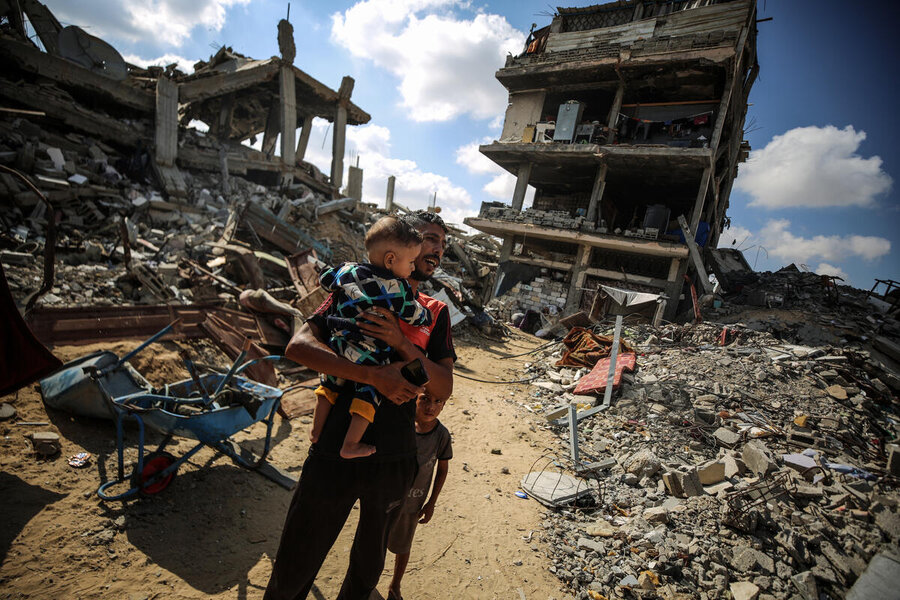
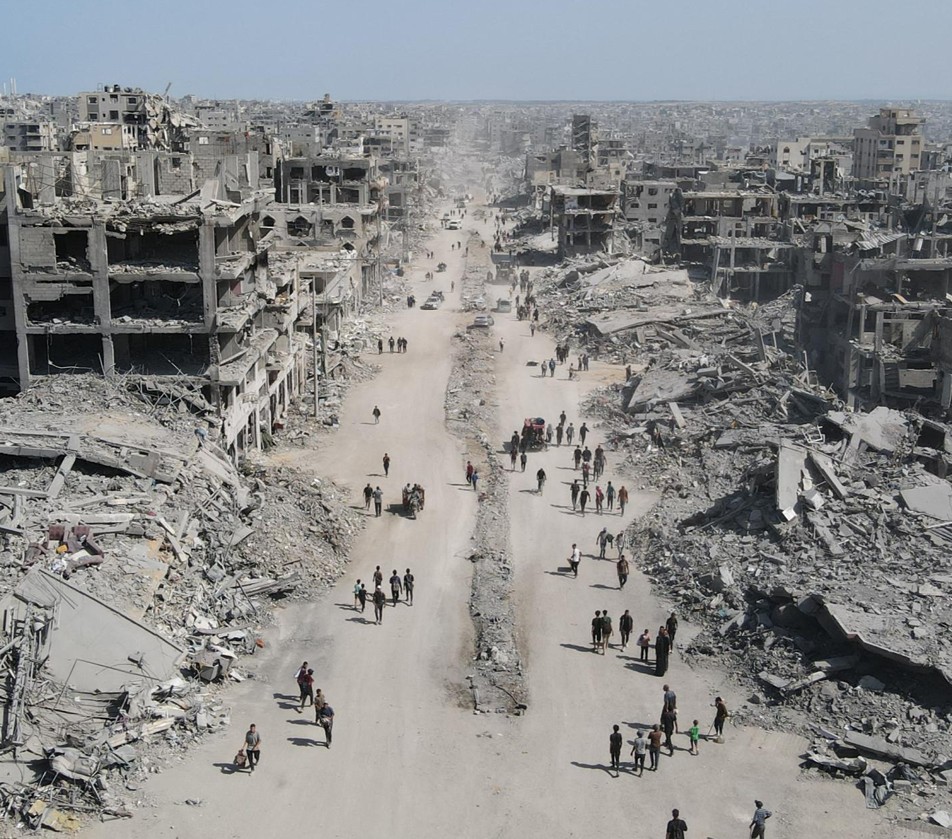
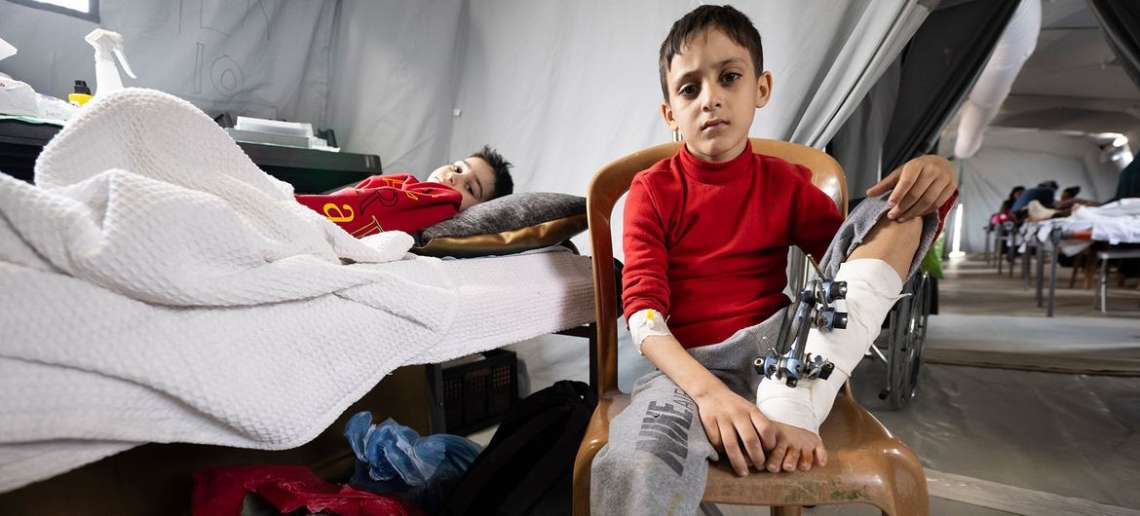
Palestine, Khan Younis, Gaza Strip, 29 September 2024 In the photo: Suliman and Nour Azab, along with their four children, have been displaced more than three times. With no place left to turn, they decided to return to their collapsing home in Khan Younis. It wasn’t just a return to a familiar place; it was a last resort, a quest for shelter when all else had been stripped away.

War plans and truce talks

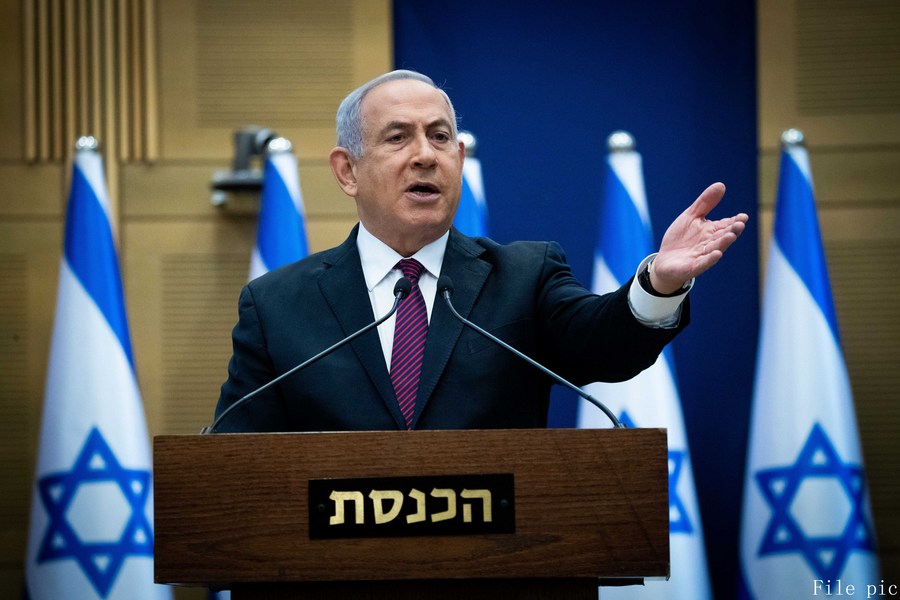
In a visit to a military base near Gaza on Thursday, Israeli Prime Minister Benjamin Netanyahu announced he had instructed officials to begin “immediate negotiations” for the release of hostages and a possible end to the war.

“I came to approve the IDF’s plans to take control of Gaza City and defeat Hamas,” Netanyahu said. “At the same time, I instructed to begin immediate negotiations for the release of all our hostages and an end to the war on terms acceptable to Israel.”

Israeli media reported that no delegation is currently expected to travel to Doha or Cairo, the two main mediation hubs. However, Netanyahu and his security cabinet were scheduled to meet Thursday night to give final approval for the Gaza City assault.

The dual-track approach reflects mounting internal and external pressure. While Hamas has already accepted a truce proposal put forward by Qatari and Egyptian mediators, Israel has not formally responded. Netanyahu has repeatedly stressed that any ceasefire would hinge on five conditions: Hamas’s disarmament, the release of all hostages, Gaza’s complete demilitarisation, permanent Israeli security control, and the appointment of a governing body not affiliated with either Hamas or the Palestinian Authority.
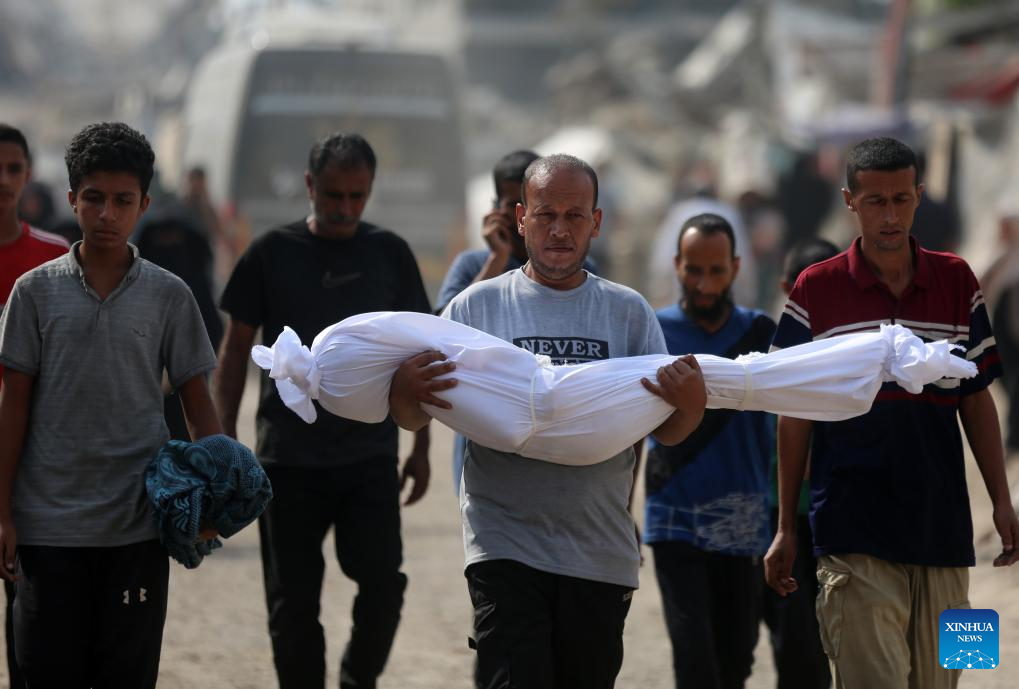
People carry the body of a Palestinian killed by an Israeli attack near an aid distribution point, in the west of Gaza City. At least 42 Palestinians were killed in Israeli attacks in the Gaza Strip on Sunday, while the death toll from starvation and malnutrition has risen to 217 since the recent conflict broke out in October 2023. (Photo by Rizek Abdeljawad/Xinhua)

Rising civilian death toll

The cost of Israel’s military operations continues to mount. Gaza’s health authorities said at least 70 Palestinians were killed and 356 others injured in overnight strikes. Since the outbreak of the war on 7 October 2023, the death toll in Gaza has climbed to 62,192, with 157,114 others wounded. Entire neighbourhoods have been reduced to rubble, while hospitals remain overwhelmed by the steady flow of casualties.

Aid deliveries, though ongoing, have done little to meet the vast humanitarian needs. On Thursday afternoon, the Israeli Defence Forces confirmed it had facilitated the airdrop of 155 humanitarian aid packages provided by seven countries, including Jordan, the United Arab Emirates, Germany, France, the Netherlands, Singapore, and Indonesia. The supplies included food and other essentials, but aid groups stress that such measures are insufficient compared to the scale of the crisis.

International outcry grows

The international response to Israel’s expanded offensive has been swift. Arab states, led by Qatar, have warned that continued instability in Gaza risks spilling over into broader regional insecurity. On behalf of the Arab Group at the United Nations, Doha reiterated that Syria’s stability is linked to wider Middle Eastern security, implicitly urging Israel to reconsider its military posture.

With the OIC meeting scheduled for next week, diplomatic efforts are expected to intensify. For Arab and Islamic states, the aim will be to present a unified front against what they call violations of international law. Yet with Israeli forces pressing ahead on the ground and Netanyahu unwilling to back down without meeting his government’s conditions, the path to de-escalation remains uncertain.

As Gaza City braces for a major assault, the humanitarian toll is set to rise further, putting global pressure on Israel to balance its military objectives with international demands for restraint and accountability.
Previous Story

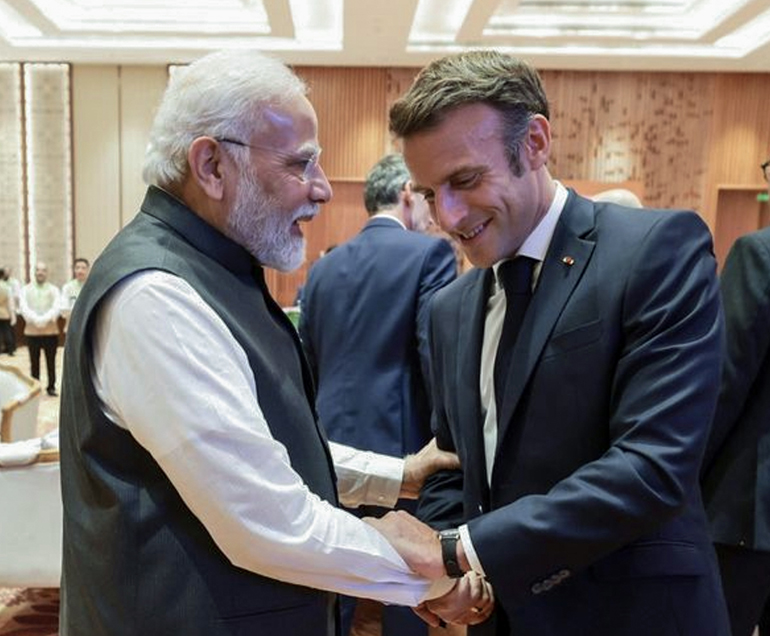
Modi, Macron Hold Talks on Ukraine, West Asia

Next Story

Arab fury at Israel’s land grab

Previous Story

Modi, Macron Hold Talks on Ukraine, West Asia

Next Story

Arab fury at Israel’s land grab

Latest from -Top News

Pakistan Risks Overstretching Itself in Yemen War

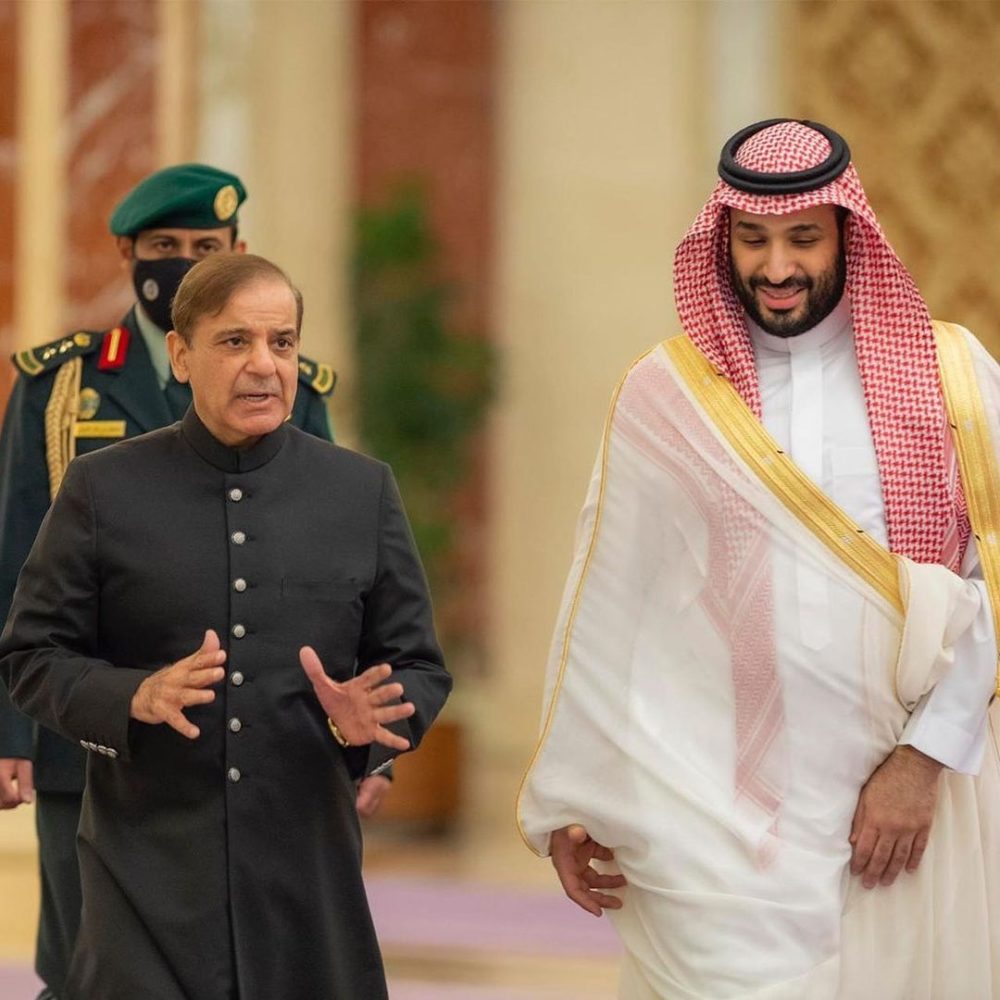
Pakistan’s expanding military role in Saudi Arabia amid the Yemen conflict could strain its defence resources and fragile finances…reports Asian Lite News Desk Pakistan’s military involvement in the war in Yemen may prove unsustainable because of mounting financial pressures and competing security demands, according to a new report. Islamabad’s growing military presence in Saudi Arabia risks stretching its defence resources while exposing the country to greater strategic and economic challenges. An article by Andrew Wilson in One World Outlook describes Pakistan’s involvement as a case of “fiscal and strategic overreach”, arguing that the country lacks the financial flexibility to sustain an expanded military commitment. Pakistan’s external finances depend heavily on an International Monetary Fund (IMF) programme, financial support from Gulf countries and remittances from Pakistani workers in the region. The report argues that deeper military involvement in the conflict could place additional pressure on these sources of financial stability. It also warns that deploying troops and military equipment abroad could weaken Pakistan’s capacity to address security challenges along its eastern border and deal with two domestic insurgencies. The move could also draw Islamabad into a conflict it has sought to approach cautiously. A Reuters report in May, citing Pakistani security and government sources, said Islamabad had deployed around 8,000 troops, a squadron of approximately 16 aircraft, mostly JF-17 fighter jets, two drone squadrons and a Chinese HQ-9 air-defence battery to Saudi Arabia. According to those sources, Riyadh was financing the deployment, with Pakistani personnel operating the equipment. The sources also said a confidential agreement contemplated the possibility of deploying up to 80,000 troops. Islamabad has not confirmed those figures, although it has acknowledged its military presence in Saudi Arabia, including the deployment of fighter jets at King Abdulaziz Air Base from April. The One World Outlook article argues that Saudi financial support can cover allowances and operating expenses but cannot easily replace military equipment needed elsewhere or resolve the political and strategic challenges of participating in the Yemen conflict. Pakistan’s defence budget is another concern. For the 2026-27 financial year, the federal government allocated PKR 3 trillion, or approximately $10.8 billion, to defence services. The allocation represents an 18 per cent increase from the original PKR 2.55 trillion provision and amounts to around 2.1 per cent of projected gross domestic product (GDP). Defence spending accounts for approximately 16 per cent of the federal government’s PKR 18.8 trillion expenditure. Military pensions are budgeted separately at PKR 822 billion, while debt servicing costs stand at approximately PKR 8 trillion, more than two-and-a-half times the defence allocation. The report argues that these competing financial obligations leave little room for additional military expenditure without placing further pressure on public finances. Pakistan’s reliance on IMF assistance also limits its fiscal flexibility. The country must meet the conditions attached to the programme, including a primary budget surplus target of 2 per cent of GDP and continued restraint on development spending. According to the article, these requirements make it difficult for Islamabad to finance an additional military commitment without compromising other budgetary priorities. Pakistan’s economic indicators offer limited reassurance. Economic growth for the 2025-26 financial year is estimated at between 3.6 and 3.7 per cent, while inflation reached approximately 10.3 per cent in September following an energy price shock. Foreign exchange reserves stood at around $21.5 billion at the end of September. Although this marks an improvement from the low levels recorded in 2023, the report notes that the reserves cover only a few months of imports. Financial assistance from Gulf partners remains central to Pakistan’s external stability. The article says Islamabad holds approximately $8 billion in Saudi deposits at its central bank. In July, the State Bank of Pakistan said Riyadh had extended the maturity of $5 billion in deposits to December 2028, easing the country’s immediate external financing requirements. A further $3 billion deposit was also extended in the spring. However, the article argues that these arrangements provide temporary relief rather than long-term financial independence, particularly as regional conflict threatens the stability of the Gulf economies on which Pakistan relies. The report concludes that Pakistan faces a difficult balance between supporting Saudi Arabia militarily and preserving the financial and military resources needed to address its domestic and regional challenges.

UK and Germany Ratify Kensington Treaty

Britain and Germany ratify the Kensington Treaty, agreeing new cooperation on AI, quantum research, defence and security while targeting investment, jobs and Russian hybrid threats…reports Asian Lite News Desk Britain and Germany

Economic tide is turning in Bangladesh

If there is one thing that can bring some comfort to the struggling Bangladeshi economy, it is good relations with India. Bangladesh should remember that Delhi’s backing, through easy supplies of essentials
Go toTop

Don't Miss

Abbas urges Hamas to agree Gaza deal ‘quickly’

Gaza has had its own separate administration run by Hamas

Indian national arrives in Cairo after being evacuated from Gaza

It shared the video saying, “Happening now: Thousands pass through