The government is considering an initial budget exceeding 120 trillion yen, or roughly USD 775 billion, for the next fiscal year beginning in April….reports Asian Lite News
Japan’s government is preparing what could become the largest initial budget in the country’s history, signalling Prime Minister Sanae Takaichi’s determination to use expansive public spending to steady an economy under pressure from rising prices and global uncertainty.
According to Kyodo News, the government is considering an initial budget exceeding 120 trillion yen, or roughly USD 775 billion, for the next fiscal year beginning in April. If approved, the plan would surpass the previous record of 115.2 trillion yen set under former prime minister Shigeru Ishiba for fiscal 2025, marking a new high point in Japan’s public spending.
Officials say the increase reflects a combination of structural pressures and policy choices. Higher personnel expenses and rising fixed costs have added to spending demands as inflation continues to affect households and businesses. At the same time, the Takaichi administration has made it clear that it is willing to deploy fiscal tools aggressively to support consumption, protect vulnerable groups and encourage investment.
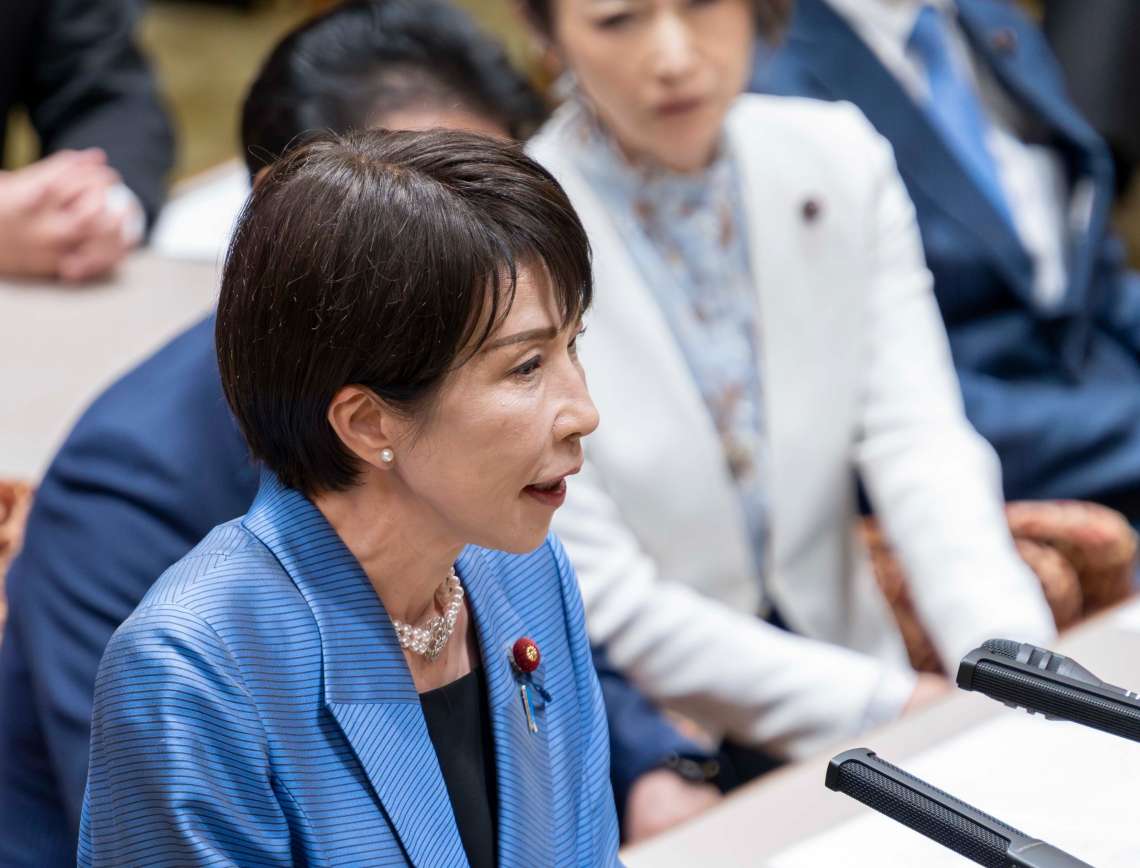
Japan plans a record-breaking budget as Prime Minister Sanae Takaichi ramps up spending to ease inflation pain, support households and drive long-term economic revival.
The move comes despite growing concern over Japan’s already fragile public finances. Japan carries the heaviest public debt burden among advanced economies, and debt-related spending continues to rise. For fiscal 2026, debt servicing costs, including interest payments and bond redemptions, are expected to exceed 28.2 trillion yen, setting another record and underscoring the long-term challenges facing policymakers.
Earlier this week, parliament approved a substantial supplementary budget worth 18.3 trillion yen for fiscal 2025. The package is designed to fund Takaichi’s expansionary economic agenda, aimed primarily at easing the impact of rising living costs. The bill cleared the upper house just before the current parliamentary session ended, having already passed the lower house last week.
Notably, the package received cross-party backing despite the ruling coalition led by the Liberal Democratic Party lacking a majority in the upper chamber. Support from some opposition groups, including the Democratic Party for the People, came after the government agreed to incorporate parts of their proposals related to household relief and cost-of-living measures. The outcome highlighted a rare moment of consensus around the need for immediate economic support.
Framed under the banner of “responsible and proactive public finances”, the stimulus represents Japan’s largest such package since fiscal 2022, when spending was sharply increased in response to the COVID-19 pandemic. The current programme focuses on curbing inflation’s impact while also laying the groundwork for longer-term growth through targeted investment.
Despite an anticipated increase of around 2.9 trillion yen in tax revenue, the government plans to finance a significant portion of the package through borrowing. Fresh bond issuance of about 11.7 trillion yen will cover more than 60 per cent of the supplementary budget, according to Kyodo News. This reliance on debt has unsettled financial markets, with recent selling pressure on the yen and Japanese government bonds pushing long-term interest rates higher.
A central pillar of the package is direct relief for households. Around 8.9 trillion yen has been allocated for measures aimed at cushioning families from high living costs. These include subsidies for electricity and gas bills during the first three months of next year, cash handouts for families with children and increased financial support for local governments tasked with delivering frontline services.
Another 6.4 trillion yen has been set aside for investment linked to crisis preparedness and long-term growth, in line with Takaichi’s vision of building what she has described as a “strong economy”. The focus is on encouraging private-sector activity while strengthening resilience against future shocks.
The supplementary budget also earmarks 1.7 trillion yen for security and diplomacy. This funding will allow Japan to meet its goal of raising defence-related spending to 2 per cent of GDP in fiscal 2025, two years ahead of the original schedule, reflecting a broader shift in Japan’s strategic outlook.
Together, the proposed record budget and the expansive stimulus package underline the Takaichi government’s willingness to prioritise economic stability and strategic investment, even as it navigates mounting fiscal and market pressures.