Stampedes, terror attacks, crashes and disasters claimed hundreds of lives in 2025, exposing persistent gaps in safety, preparedness and accountability across India’s public spaces and infrastructure….reports Asian Lite News
The year 2025 will be remembered as one of the darkest in recent Indian history, marked by a relentless succession of deadly tragedies that unfolded almost every month. From stampedes at religious gatherings and political rallies to terror attacks, industrial explosions, transport disasters and extreme weather events, hundreds of lives were lost across the country. Together, these incidents exposed recurring weaknesses in safety planning, infrastructure oversight, crowd control and emergency response, cutting across states and sectors.
January opened the year with grief at places meant for faith and devotion. On January 8, a stampede near ticket counters at Tirupati during preparations for the Vaikunta Ekadasi festival claimed six lives and injured several others. Confusion over the opening of a gate for special darshan tokens, combined with overcrowding, triggered panic. While authorities later managed to stabilise the situation, the lapse at a single choke point proved fatal.
Barely weeks later, tragedy struck again at the Maha Kumbh Mela in Prayagraj. On January 29, at least 30 pilgrims were killed and over 60 injured during a stampede on Mauni Amavasya, one of the most auspicious bathing days. As millions converged at the Sangam, pressure on access routes overwhelmed crowd-control arrangements. The scale of the incident cast a shadow over a festival that ultimately drew more than 660 million visitors.
February brought fresh warnings about infrastructure safety. Late on February 15, overcrowding at New Delhi Railway Station led to a deadly stampede on platforms 12 and 14, killing at least 18 people and injuring many more. Pilgrims waiting for trains to Prayagraj surged suddenly, triggering chaos in one of the country’s busiest transport hubs.
Just days later, on February 22, a tunnel under construction as part of the Srisailam Left Bank Canal project collapsed in Telangana’s Nagarkurnool district. Workers were trapped underground for days as rescue teams battled unstable terrain and flooding. When the operation ended, at least eight workers were confirmed dead, raising serious questions about safety protocols at large infrastructure sites.
April marked one of the year’s most shocking acts of violence. On April 22, terrorists opened fire in the Baisaran Valley near Pahalgam in Jammu and Kashmir, killing 26 civilians, most of them tourists. The attack shattered the region’s fragile sense of security and prompted India to launch Operation Sindoor in early May, targeting terror infrastructure across the Line of Control. A brief but intense military confrontation followed before a ceasefire was reached.
June proved to be the deadliest month of the year. On June 4, celebrations following Royal Challengers Bengaluru’s maiden IPL title descended into chaos near the M Chinnaswamy Stadium. An overwhelming crowd of more than two lakh people gathered for a felicitation event, leading to a massive crush. Eleven people died of asphyxia, and dozens were injured, exposing glaring failures in planning and crowd regulation.
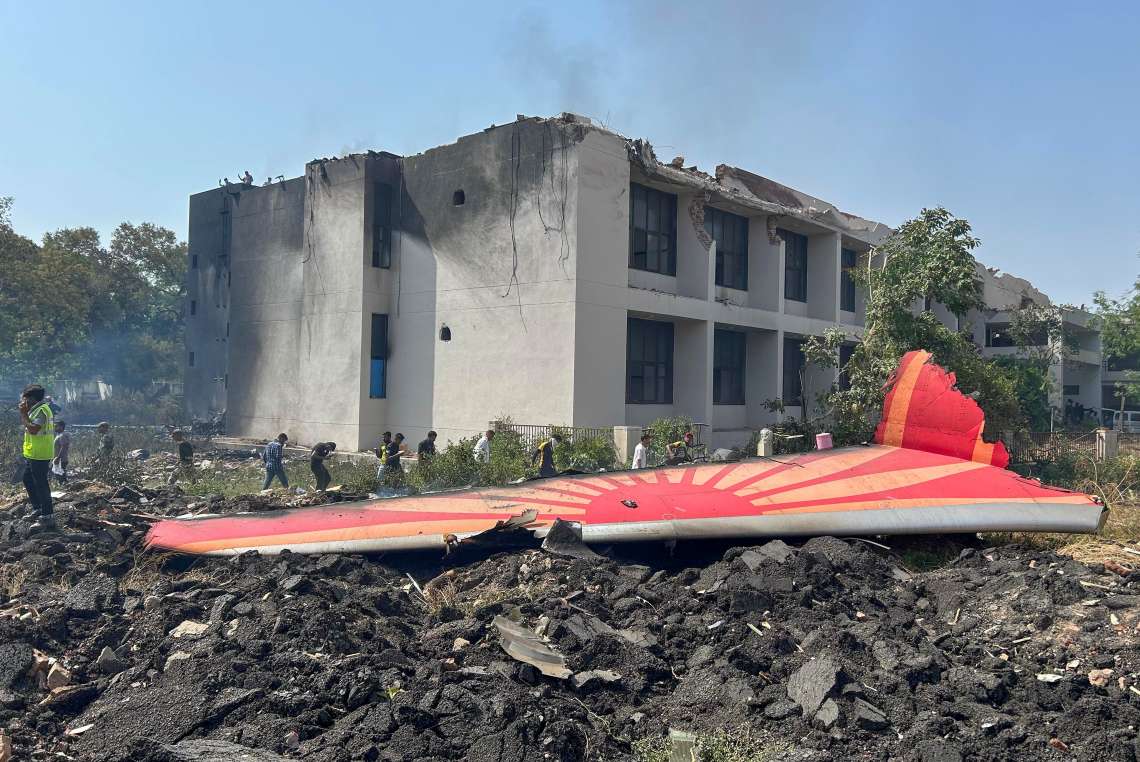
Eight days later, the nation was plunged into mourning by one of the worst aviation disasters in its history. On June 12, London-bound Air India Flight 171 crashed moments after taking off from Ahmedabad. The Boeing 787 Dreamliner was carrying 242 people. Only one passenger survived. The crash killed 241 people onboard and several on the ground, taking the death toll to around 260. Investigations into the causes of the disaster are still ongoing.
Before the month ended, another catastrophe struck. On June 30, a powerful explosion ripped through Sigachi Industries Limited’s chemical factory in Telangana’s Sangareddy district. Fifty-four people were killed and several others went missing as a three-storey building was flattened. A technical committee later cited gross negligence, including outdated machinery and untrained staff, as contributing factors.
August brought devastation from nature. On August 5, a cloudburst, suspected to be triggered by a glacial lake outburst, caused flash floods in Uttarkashi’s Dharali and Harsil villages. At least five people were killed, while more than 50, including Army personnel, went missing. Homes and hotels were swept away as rescue teams evacuated hundreds.
Days later, on August 14, another cloudburst struck Chasoti village in Kishtwar district of Jammu and Kashmir during the Machail Mata yatra. At least 50 people were killed and more than 100 injured. Difficult terrain hampered rescue efforts, deepening the tragedy.
September saw political mobilisation turn deadly. On September 27, a stampede broke out during a Tamilaga Vettri Kazhagam rally in Tamil Nadu’s Karur district. Forty-one people were killed when crowds surged towards actor-politician Vijay’s convoy after