Andy Burnham’s bid to stand in the Gorton and Denton by-election has triggered debate inside Labour over whether he should be allowed to contest the seat amid speculation about a future leadership challenge
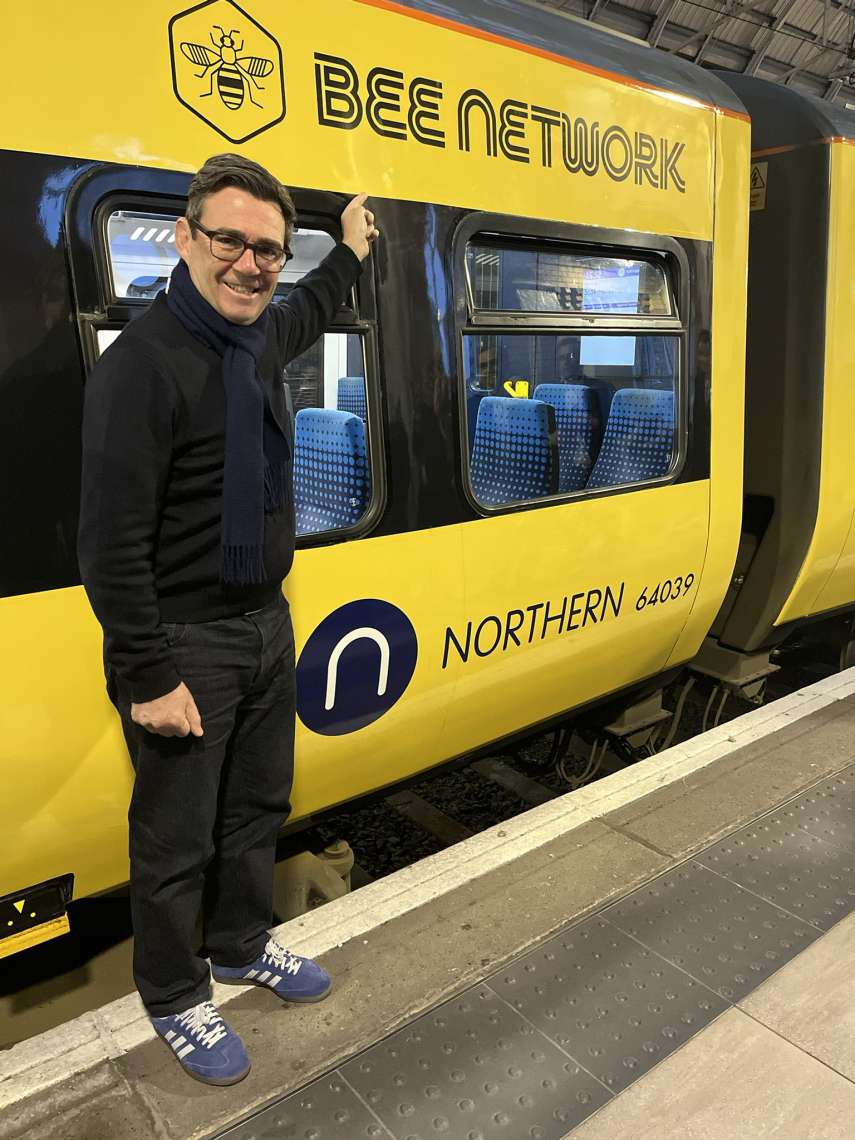
Andy Burnham has formally sought permission to stand as Labour’s candidate in the forthcoming Gorton and Denton parliamentary by-election, opening the door to a potential return to the Commons and fuelling speculation about his longer-term ambitions within the party. The seat in Greater Manchester became vacant after Andrew Gwynne stood down on health grounds, prompting a contest that is now shaping up to be a significant internal test for Labour as well as a local electoral battle.
Burnham, who is currently serving as the directly elected mayor of Greater Manchester, must secure approval from Labour’s national executive committee before he can enter the race. In a statement, he said he wanted to back the Labour government “not undermine it”, adding that the decision to seek selection had been “difficult”. His move has nonetheless been widely interpreted through the lens of party politics, because Burnham has been mentioned by some as a possible future challenger to Keir Starmer’s leadership, a step he could only take if he were an MP.
Speculation about Burnham’s intentions had been building for days before he submitted his application to the NEC by the 5pm deadline on Saturday. He chose to make the process public by posting his letter to the committee on social media, laying out his case for standing. In the letter he wrote that there was a “direct threat to everything Greater Manchester has always been about from a brand of politics which seeks to pit people against each other”. He continued: “I see this by-election as the frontline of that fight for the Manchester Way and I feel I owe it to a city which has given me so much to lead it from the front, despite the risks involved.”
Burnham also reflected on his decision to step away from Westminster nearly a decade ago, saying he believed at the time that “it wasn’t working for people in our part of the world” and that as mayor he had “tried to pioneer a different way of doing things”. He said, however, that Manchester “won’t be able to be everything it should be without similar changes at a national level. This is why I feel the need to go back.”
The timing of his move comes against a backdrop of forthcoming elections in May, when voters will go to the polls for the Welsh Parliament, the Scottish Parliament and a number of English local authorities. With those results expected to be an important barometer of public opinion, there has been renewed talk in Westminster about Labour’s internal dynamics and the stability of Starmer’s leadership. Burnham’s supporters have long argued that his profile and record in Greater Manchester give him national appeal, but he cannot mount any leadership bid without first returning to Parliament.
In his letter to the NEC, Burnham sought to allay concerns about his motives, writing that he would be in Parliament “to support the work of the government, not undermine it. I have passed this assurance on to the prime minister.” Nonetheless, the prospect of his candidacy has unsettled some in the party, and there have been reports that allies of Starmer may seek to prevent him from standing.
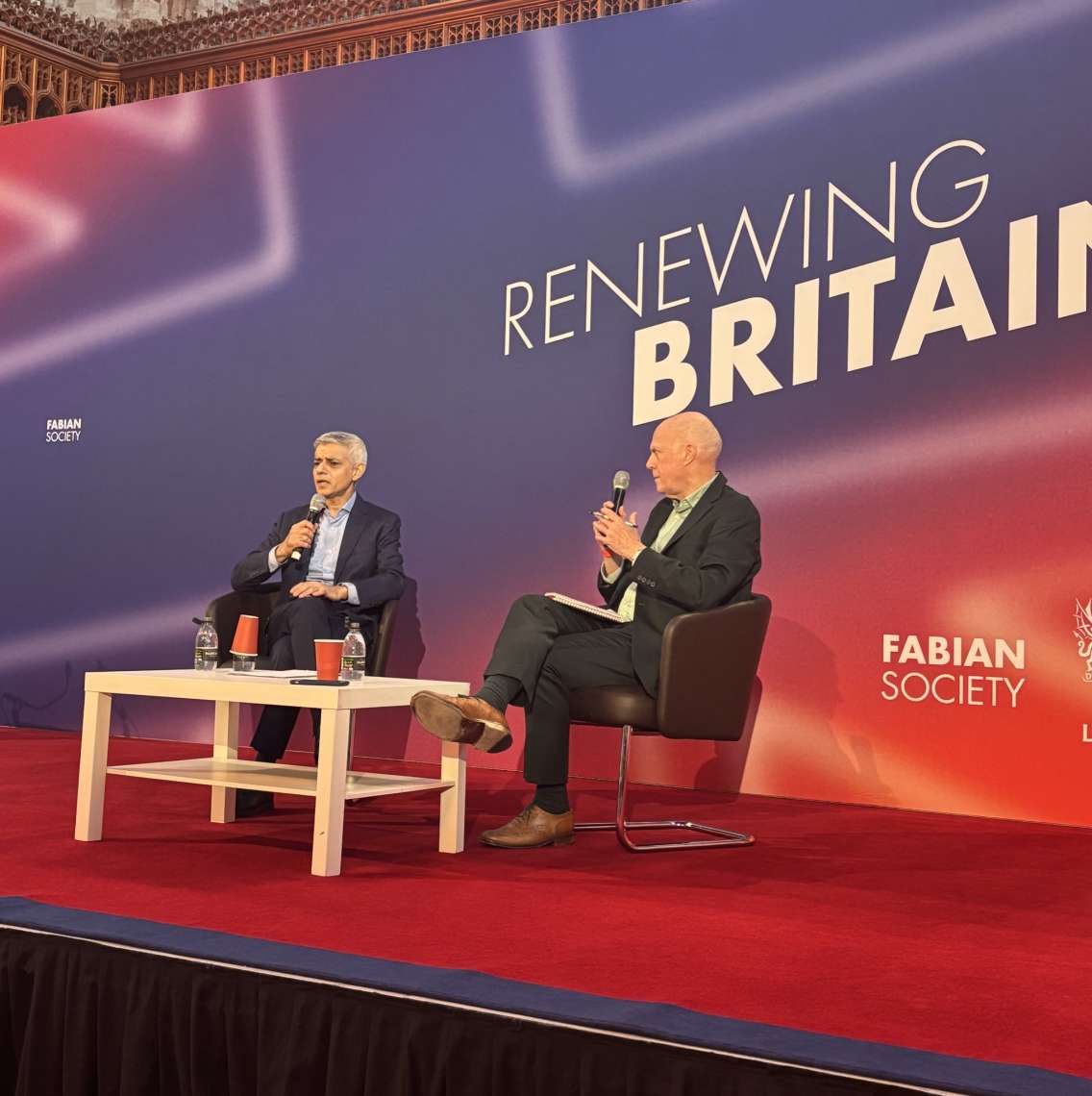
Several senior Labour figures have publicly backed Burnham’s right to contest the by-election. London Mayor Sadiq Khan said: “If Andy Burnham wants to be a member of Parliament, Andy Burnham should be allowed to be a member of Parliament.” Deputy Labour leader Lucy Powell also indicated her support, saying the contest would be “difficult” and that she wanted “to make sure we are putting the best team out on the pitch week after week. I don’t want to see [Erling] Haaland on the bench.” She added that Labour members should “get behind Keir Starmer” and that she did not want the by-election to turn into “in-fighting and talking about ourselves”.
If Burnham were selected as Labour’s candidate and went on to win the Gorton and Denton seat, he would be required to resign as mayor of Greater Manchester, triggering a new mayoral election. Some Labour sources have suggested that the NEC might use the cost of that contest as grounds to block his application. The last mayoral election in Greater Manchester cost around £4.7m, a sum that would be borne by the taxpayer as well as carrying political and organisational implications for the party.