Beyond new infrastructure, the revival of traditional experiences continues to define Kashmir’s tourism appeal….reports Asian Lite News
Jammu and Kashmir has emerged as one of India’s fastest-growing tourism destinations in 2025, recording an impressive 1.78 crore tourist visits despite security-related incidents and natural calamities. The milestone highlights a strong revival of the Union Territory’s tourism sector and underscores its growing appeal on India’s travel map.
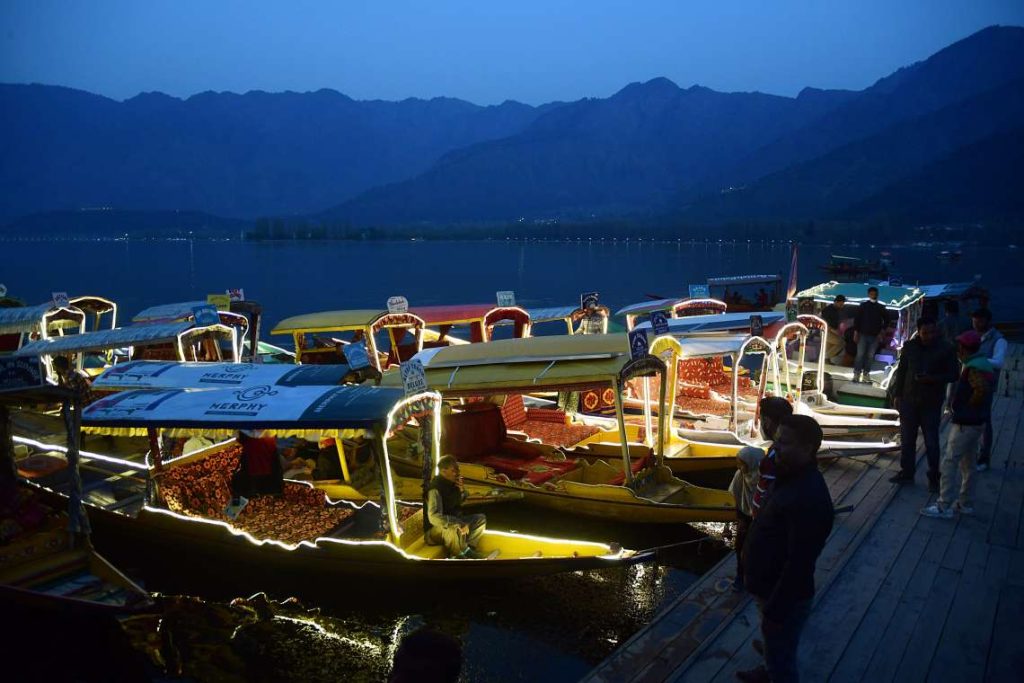
The surge in visitor numbers reflects sustained improvements in infrastructure, enhanced air, road and rail connectivity, and focused policy interventions aimed at strengthening tourism as a key economic driver. Tourists from across the country and overseas visited major attractions such as Gulmarg, Pahalgam, Dal Lake and the Vaishno Devi shrine, drawn by a mix of scenic beauty, adventure opportunities and spiritual experiences.
Officials said the steady rise in footfall has been supported by year-round accessibility, improved safety measures and the diversification of tourism offerings. Packages tailored for families, honeymooners, adventure enthusiasts and pilgrims have helped ensure consistent demand across seasons, reinforcing confidence among travellers.
Earlier this week, Jammu and Kashmir Lieutenant Governor Manoj Sinha said the sustained inflow of tourists reflected better connectivity, upgraded infrastructure and targeted policy support. Addressing members of the Legislative Assembly on the opening day of the budget session, he said tourism had been granted industry status to attract investment, formalise operations and generate employment across the region.
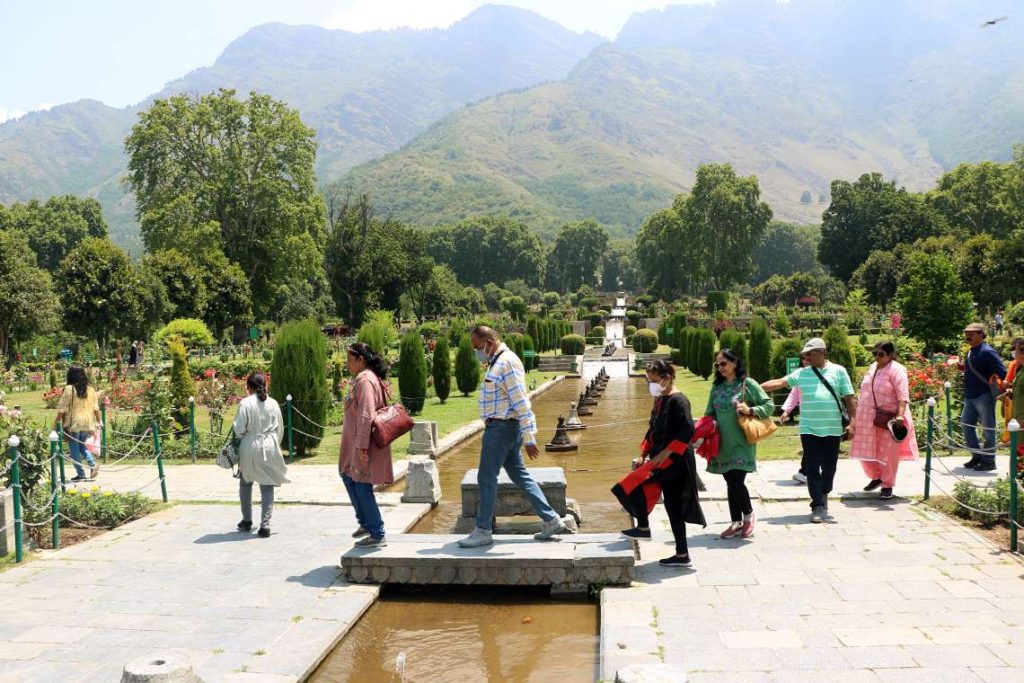
Sinha added that the administration is actively promoting year-round tourism by developing new destinations and expanding offerings across different regions. One such initiative is the opening of Bagh-e-Gul-e-Dawood, Kashmir’s first Chrysanthemum Garden, which was inaugurated for tourists in October 2025. Featuring over 50 varieties of flowers, the garden is expected to boost autumn tourism and complement the Tulip Garden, a major spring attraction.
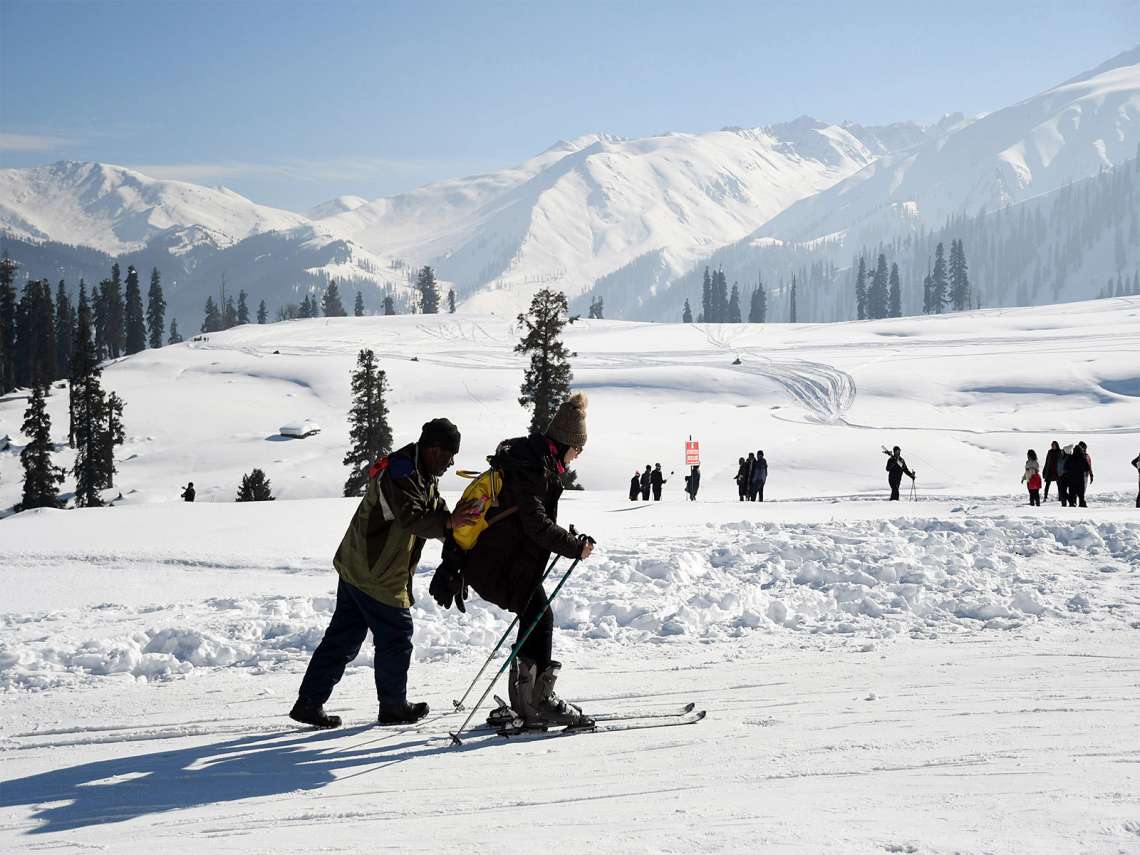
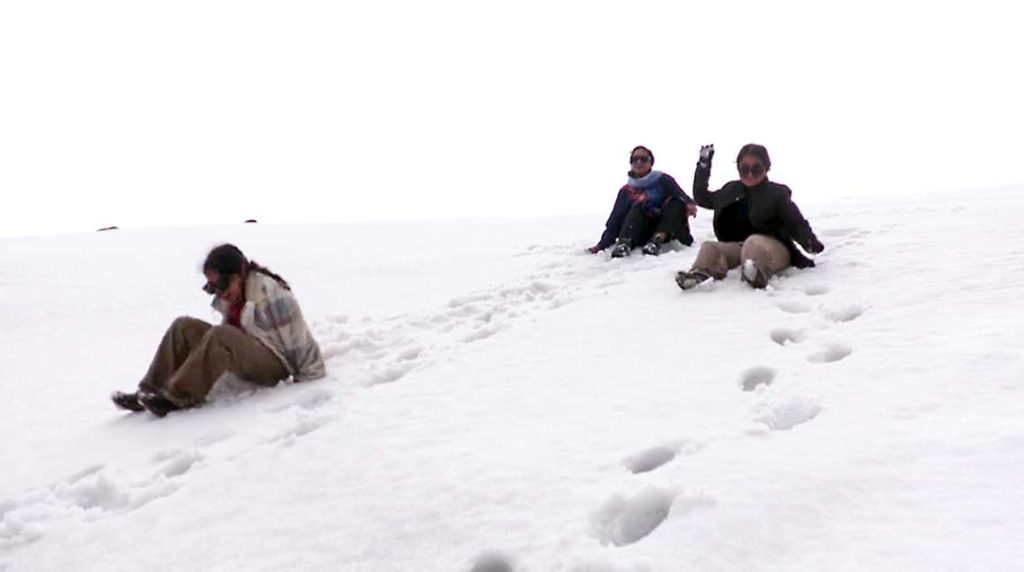
Beyond new infrastructure, the revival of traditional experiences continues to define Kashmir’s tourism appeal. In Gulmarg, the iconic winter sledge ride remains among the most popular attractions. The downhill ride on handcrafted wooden sledges, guided by locals in traditional winter attire, offers visitors an authentic experience driven purely by snow, gravity and skill.
For many tourists, the raw excitement of the ride becomes a highlight of their visit. “It was my first time, and I really enjoyed it. Witnessing this snow is amazing—one should visit at least once. We have made lifetime memories through photos and videos,” said Sanjana, a tourist.
The activity is also a crucial source of livelihood for local communities. According to sledge rider Irshad Ahmad, nearly 1,600 to 1,700 people earn their living from tourism-related activities in Gulmarg alone. “Many families depend on sledge rides during winter. The whole of Kashmir is dependent on tourism,” he said.
The Lieutenant Governor said special emphasis is being placed on reviving pilgrim tourism in Jammu, promoting adventure tourism in Kashmir, and encouraging eco-tourism in tribal and border areas to ensure balanced regional growth. Improved tourist facilitation and coordination with stakeholders have helped maintain visitor inflows even during challenging periods.
A major boost to tourism and economic activity has come from the expansion of railway connectivity to Kashmir, described as a historic milestone. A full-fledged railway division has been sanctioned for the Union Territory, while modernisation and expansion work at the Jammu-Tawi railway station is underway.
The government is also planning a large project focused on the sustainable development of emerging tourist destinations through public and private sector participation, with an emphasis on environmental protection and local employment generation.
Officials noted that since the abrogation of Article 370 in August 2019, policy implementation has become more streamlined, enabling faster infrastructure development, improved connectivity and investment-led growth—factors now clearly reflected in the region’s tourism resurgence.