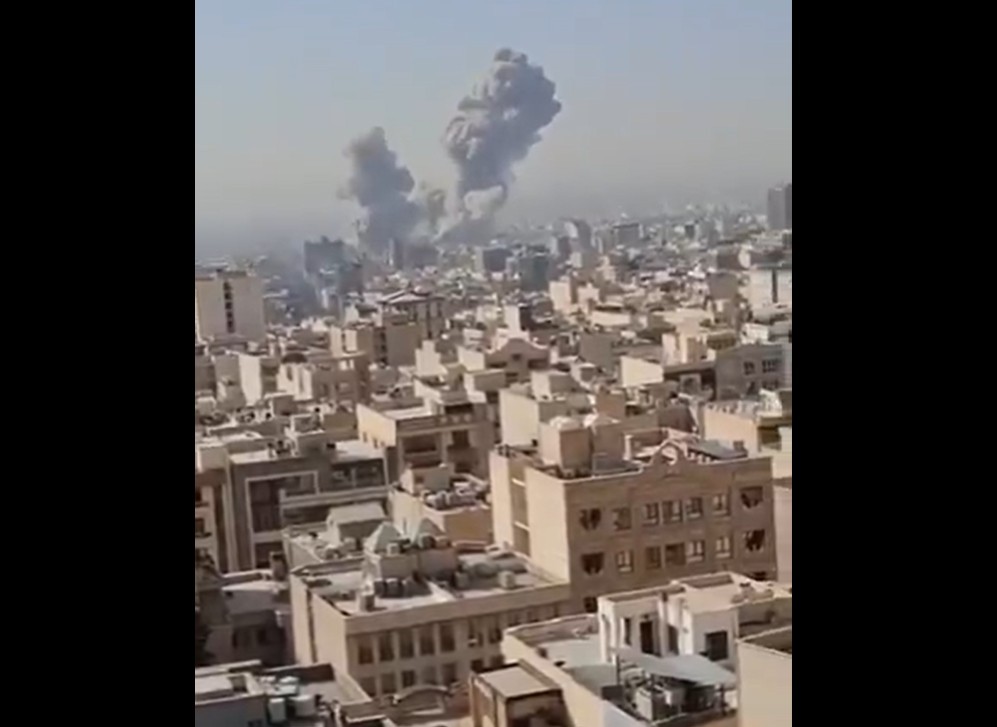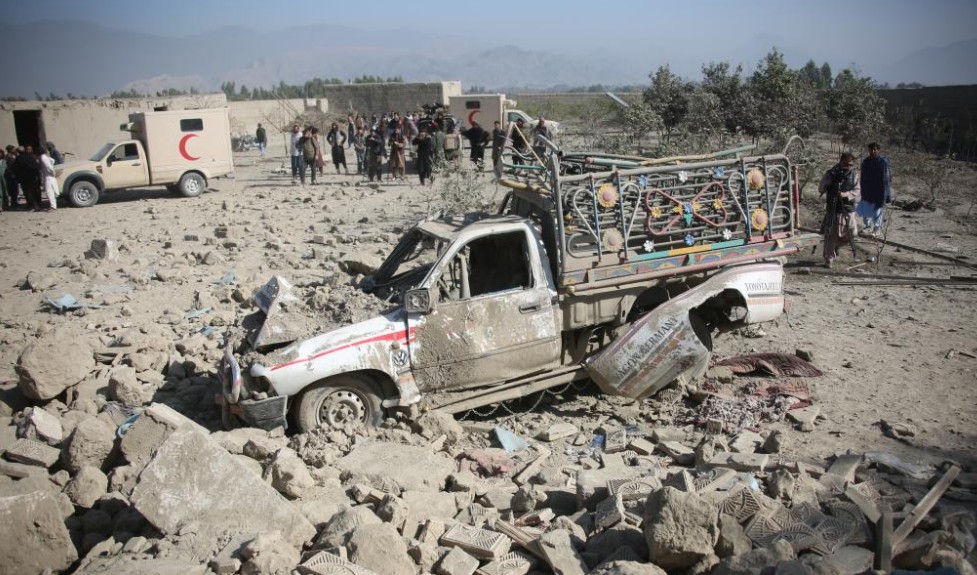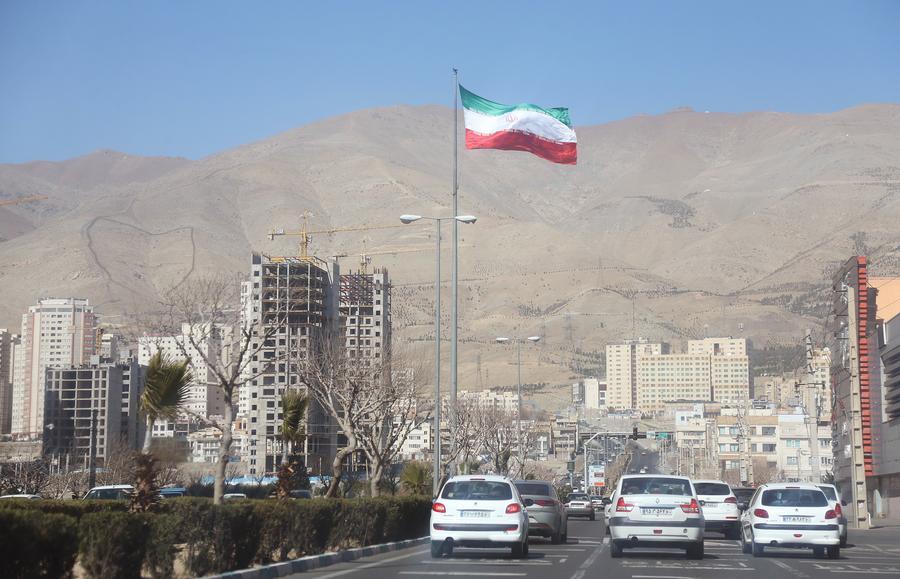
LATEST UPDATES: Missiles fired from Iran reportedly hit US bases in Qatar, the UAE, Bahrain, and Kuwait.
The United Arab Emirates has temporarily and partially closed its airspace as a precautionary measure amid rapidly escalating security tensions across the Gulf, while Bahrain confirmed that sites within its territory had been targeted in attacks launched from outside its borders.
The developments come as the regional fallout from the intensifying confrontation between Israel, the United States and Iran continues to ripple across the Middle East, raising fears of broader instability and disruption to aviation, shipping and critical infrastructure.
UAE Partially Shuts Airspace
The General Civil Aviation Authority announced that the temporary and partial closure of UAE airspace was enacted as an “exceptional precautionary measure” to ensure the safety of flights, aircrews and national territory.
The authority said the decision followed a comprehensive assessment of security and operational risks and was taken in coordination with relevant national and international bodies. Airspace safety and the protection of the UAE’s sovereignty remain “absolute priorities,” it stressed.
While officials did not specify which corridors were affected, flight tracking data showed several international carriers diverting or delaying services through the Gulf region. Airlines have been asked to coordinate closely with aviation authorities, and passengers were urged to contact carriers directly for updates on flight schedules and possible rebookings.
The move reflects mounting concerns about missile and drone activity across parts of the Gulf, particularly after Iran’s recent retaliatory strikes following joint Israeli-American attacks on Iranian military infrastructure. Though the UAE has not reported any direct strikes on its territory, officials appear determined to minimise risk to civilian aviation.
The GCAA said it would continue to monitor developments in real time and provide updates as necessary. It reiterated that the safety of passengers and crew remains its top priority and called on the public to rely exclusively on official and accredited sources for information.
Interior Ministry On High Alert
Separately, the UAE Ministry of Interior confirmed it is operating at the highest level of readiness. The ministry said it is closely monitoring regional developments and stands prepared to implement all necessary precautionary measures in coordination with other authorities.
It underscored that the safety of citizens, residents and visitors remains paramount and reaffirmed its commitment to maintaining public order and stability.
Authorities also cautioned against the spread of rumours or unverified information, urging residents to cooperate fully with official guidance during what they described as “exceptional circumstances”.
The heightened alert comes as Gulf states brace for possible spillover effects from the escalating conflict. Energy facilities, ports and transport hubs across the region are considered sensitive targets in the event of further retaliation between Iran and its adversaries.
Bahrain Confirms External Attacks
In a more direct sign of regional escalation, the National Communication Centre confirmed that attacks had targeted sites and facilities within the Kingdom of Bahrain, launched from outside its territory.
Describing the incidents as a “flagrant violation” of Bahrain’s sovereignty and security, the NCC said security and military authorities immediately activated emergency response plans and implemented necessary field measures.
The government strongly condemned what it called hostile attacks posing a direct threat to national security and to the safety of citizens and residents. It said Bahrain reserves the right to respond and take all necessary measures to protect its sovereignty, in coordination with allies and partners.
Further details regarding the military aspects of the attacks will be released later, officials said, citing national security considerations.
Bahrain hosts the US Navy’s Fifth Fleet, making it a strategically significant location in any regional escalation involving Iran and the United States. While the NCC did not identify the source of the attacks, analysts say Bahrain’s position in the Gulf makes it vulnerable to missile or drone strikes amid heightened tensions.
Regional Aviation And Security Impact
The UAE’s partial airspace closure highlights the vulnerability of commercial aviation in times of geopolitical crisis. The Gulf is one of the world’s busiest aviation corridors, linking Europe, Asia and Africa. Major hubs such as Dubai and Abu Dhabi serve as transit points for millions of passengers annually.
Temporary airspace restrictions could lead to cascading delays, longer flight routes and higher operational costs for airlines. In previous crises, carriers have rerouted flights to avoid perceived risk zones, sometimes adding hours to journey times.
Beyond aviation, regional governments are stepping up security around critical infrastructure. Energy facilities, desalination plants and ports are seen as potential targets in asymmetric warfare scenarios involving drones or precision missiles.