UAE steps up diplomacy after Iranian missile attacks as foreign minister rallies global support, while UN resolution condemns strikes and Gulf states warn of regional instability
The United Arab Emirates has intensified diplomatic outreach following Iranian missile attacks targeting the country and other regional states, with senior officials engaging global partners to address the escalating crisis and its wider implications for international stability.
Abdullah bin Zayed Al Nahyan, Deputy Prime Minister and Minister of Foreign Affairs of the United Arab Emirates, held a series of phone calls with world leaders and foreign ministers to discuss the repercussions of what the UAE described as unprovoked and terrorist missile attacks carried out by Iran.
During the conversations, officials examined the impact of the attacks on regional security and stability as well as the potential consequences for the global economy and energy markets.
Sheikh Abdullah spoke with Samia Suluhu Hassan, Tupoutoʻa ʻUlukalala, Anita Anand, Maka Botchorishvili, Sean Sobers and Carlos Ramiro Martínez.
Officials taking part in the discussions strongly condemned the missile attacks, describing them as a clear violation of international law and the Charter of the United Nations.
They also stressed that such attacks pose a direct threat to the sovereignty and security of states as well as to wider regional stability.
Participants in the calls affirmed the right of countries targeted by the attacks to take necessary measures to defend their territory and protect citizens, residents and visitors in accordance with international law.
Sheikh Abdullah also expressed appreciation for the solidarity shown by friendly and allied nations toward the UAE during the crisis.
He reassured counterparts that residents and visitors across the country remain safe despite the regional tensions.
Calls for stronger international cooperation
During the discussions, Sheikh Abdullah and the officials emphasised the importance of strengthening international cooperation to address escalating security challenges in the region.
They agreed on the need for coordinated diplomatic efforts to safeguard regional stability while supporting the aspirations of Middle Eastern societies for sustainable development and economic prosperity.
The conversations come as Gulf nations step up diplomatic engagement to rally international support following a wave of missile and drone attacks linked to the ongoing confrontation with Iran.
Bahrain reports attack on fuel facility
Meanwhile, authorities in Bahrain said Iranian aggression had targeted fuel tanks at a facility in the Muharraq Governorate.
The Bahraini Ministry of Interior confirmed that the strike damaged tanks at the site and that authorities had initiated emergency procedures to address the situation.
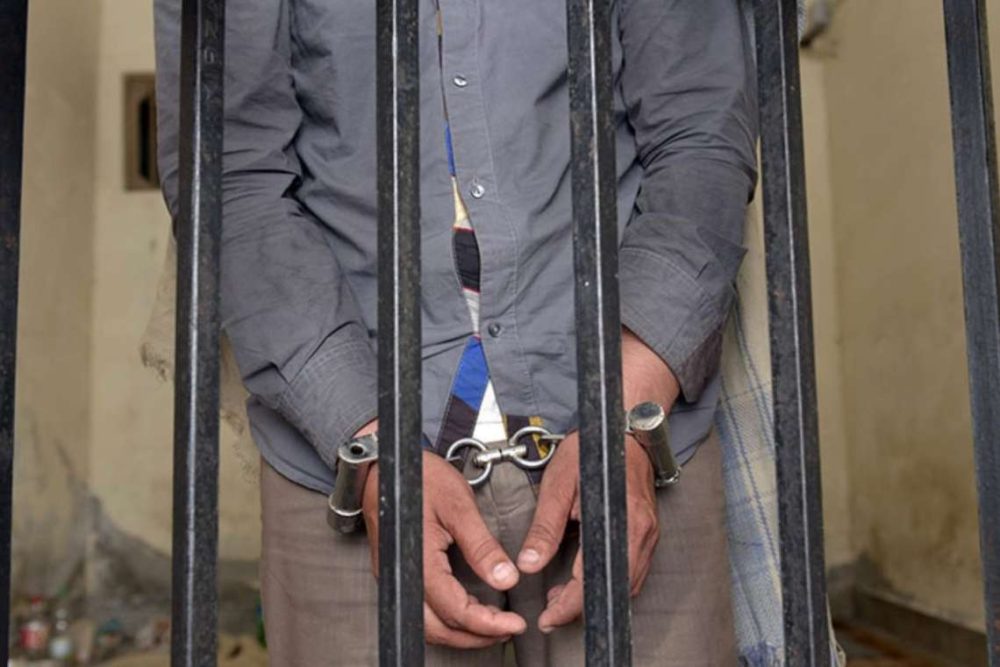
In a separate development, Bahraini officials announced the arrest of four citizens accused of carrying out espionage activities on behalf of the Islamic Revolutionary Guard Corps.
A fifth suspect remains at large outside the country.
According to investigators, one of the suspects used high-resolution photography equipment to capture images and coordinates of key infrastructure sites across Bahrain.
The information was allegedly transmitted through encrypted communication channels to operatives linked to the Iranian Revolutionary Guard Corps.
Authorities said the suspects have been referred to prosecutors following the completion of initial investigations.
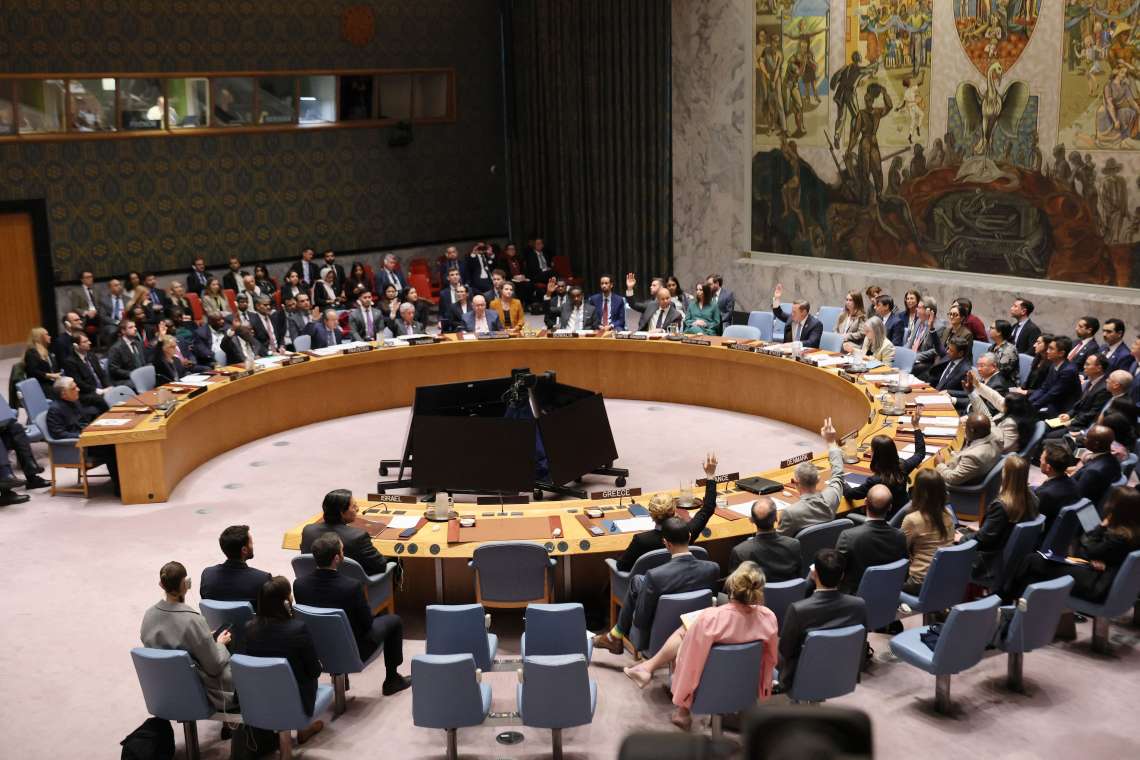
Amid the escalating tensions, the UAE also welcomed the adoption of a United Nations Security Council resolution condemning the Iranian missile and drone strikes targeting Gulf countries and Jordan.
The resolution was adopted by the United Nations Security Council and was introduced by Bahrain on behalf of the Gulf Cooperation Council states and the Jordan.
The resolution condemns the attacks in the strongest terms and demands that Iran immediately cease all missile and drone operations against neighbouring countries.
It also states that such actions represent a breach of international law and a serious threat to global peace and security.
The resolution further calls on Iran to halt any provocations or threats against neighbouring states, including through the use of proxy groups.
It also highlights the importance of protecting civilian infrastructure and maintaining freedom of navigation in critical maritime routes.
Mohamed Abushahab said the resolution demonstrates strong international unity in rejecting attacks on the sovereignty of Gulf states.
He said the overwhelming support for the resolution sends a clear message that the international community will not tolerate the deliberate targeting of civilians and vital infrastructure.
UAE reaffirms right to self-defence
UAE officials reiterated that the country retains its inherent right to defend itself under Article 51 of the United Nations Charter.
This provision allows states to take necessary measures individually or collectively to respond to armed aggression and protect national security.
Authorities said the UAE remains committed to working within the UN framework to deter further violations of international law while supporting diplomatic efforts to maintain regional stability.