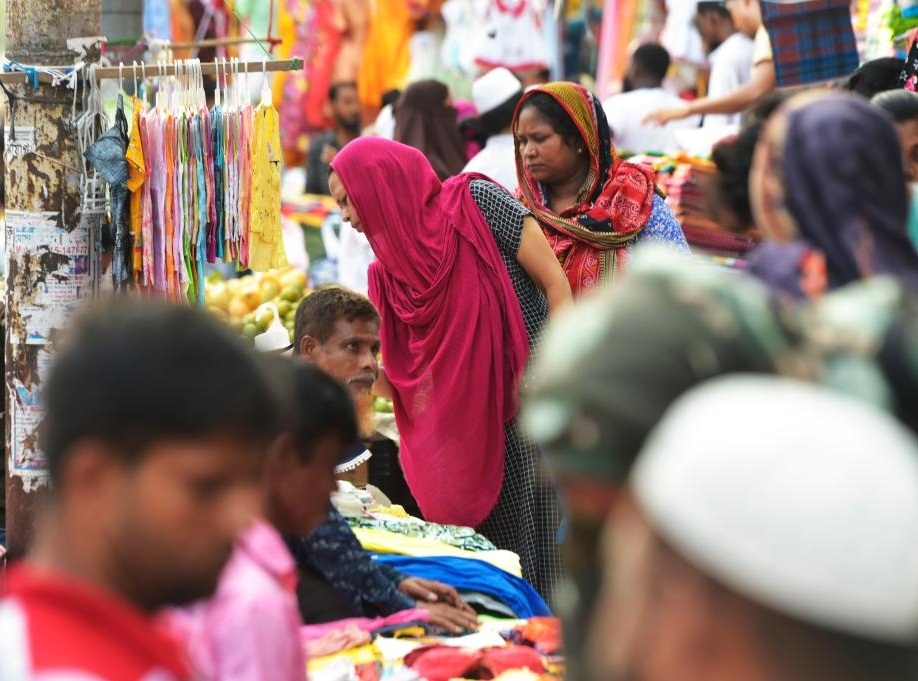
Inflation is expected to remain high at 8.5 per cent in FY26, with both food and non food prices staying elevated…reports Asian Lite News
A prolonged conflict in the Middle East could significantly strain Bangladesh’s economy, driving up inflation, widening the current account deficit, and weakening exports and remittance flows, according to a new World Bank report.
The Bangladesh Development Update projects economic growth to slow to 3.9 per cent in FY26, reflecting mounting domestic and external challenges.
The report warns that rising energy costs could increase subsidy burdens, reducing fiscal space, while persistent global uncertainty may further dampen economic momentum. Bangladesh is already grappling with elevated inflation, a stressed banking sector, weak revenue mobilisation, and subdued private investment.
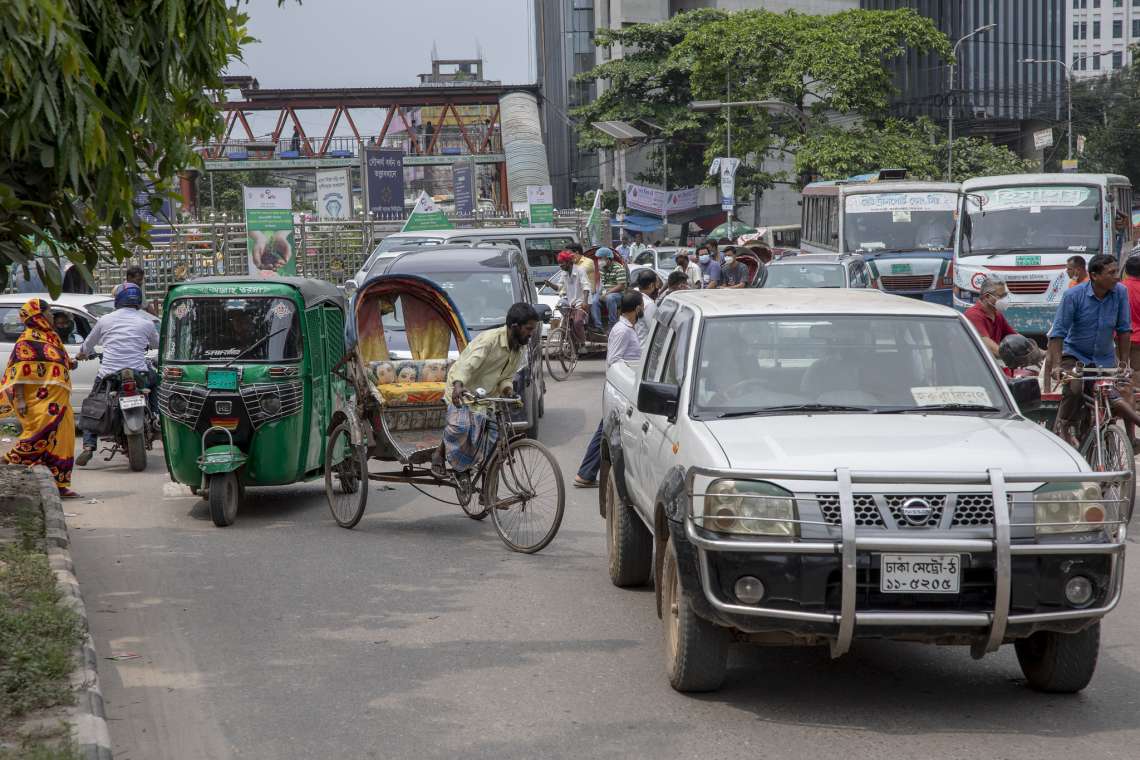
Inflation is expected to remain high at 8.5 per cent in FY26, with both food and non food prices staying elevated. Low income households are likely to face the greatest impact, as wage growth continues to lag behind rising prices, eroding purchasing power.
Poverty levels have also worsened, with the national poverty rate rising to 21.4 per cent in 2025 from 18.7 per cent in 2022. This translates to an additional 1.4 million people falling into poverty.
The World Bank cautioned that Bangladesh has limited capacity to absorb prolonged external shocks due to thin foreign exchange reserves, tight fiscal and monetary conditions, and vulnerabilities in the financial sector.
However, the report noted that sustained political stability following the 2026 elections, along with swift structural reforms, could help stabilise the economy. Strengthening revenue systems, improving the financial sector, and enhancing the business climate are seen as critical steps to support recovery and sustain growth.
Economists also stressed the need for targeted deregulation, stronger competition policies, improved electricity reliability, and streamlined trade policies to boost private sector led growth and job creation.