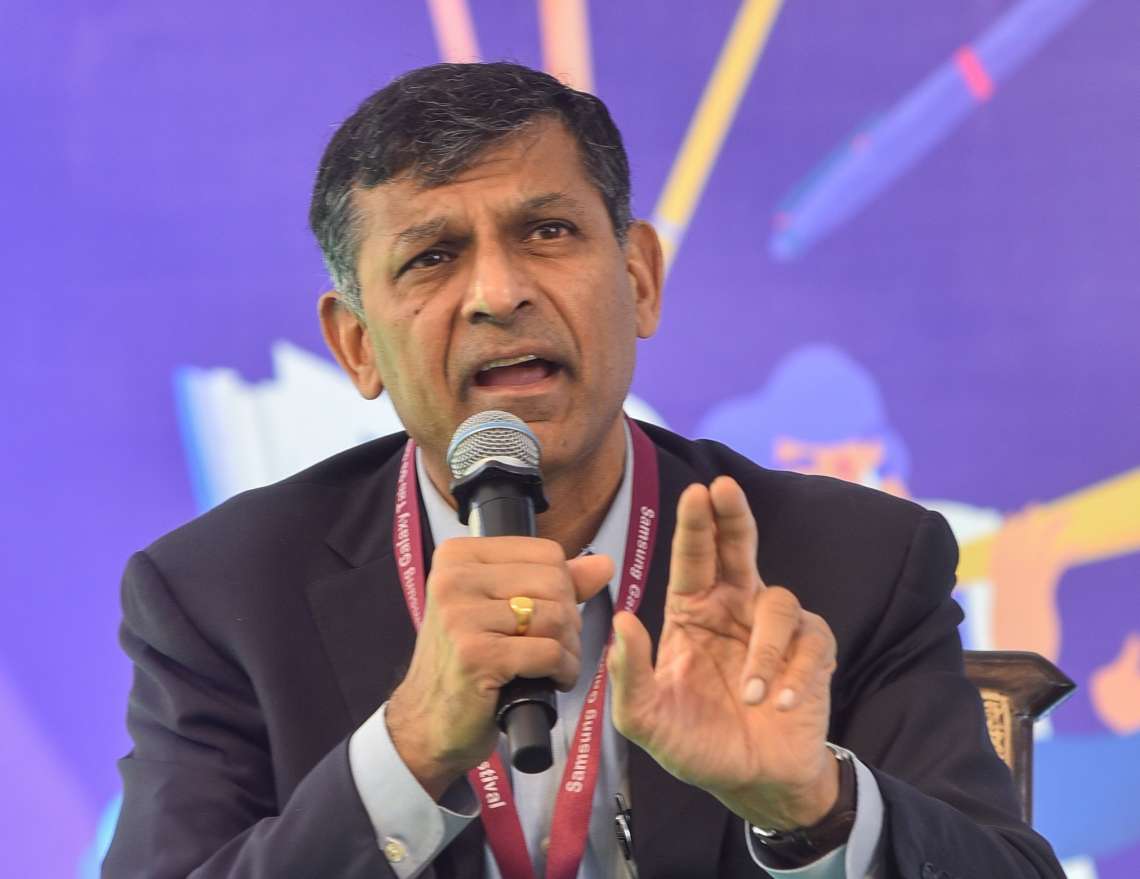
Former Reserve Bank of India Governor Raghuram Rajan has been appointed to a Federal Reserve working group reviewing the US central bank’s balance sheet….reports Asian Lite News Desk
Former Reserve Bank of India Governor Raghuram Rajan has been appointed to a key Federal Reserve working group reviewing the US central bank’s balance sheet as part of a broader effort to reform monetary policymaking following years of elevated inflation.
Federal Reserve Chairman Kevin Warsh announced the formation of five independent task forces to examine core areas of the central bank’s operations, including balance sheet policy, communications, the use of economic data, productivity and jobs, and the inflation framework.
Rajan’s appointment received public backing from Senate Banking Committee Chairman Tim Scott during Warsh’s first semiannual monetary policy hearing before Congress on Wednesday (local time). Scott said the composition of the balance sheet working group reflected a willingness to encourage debate by bringing together economists with differing views.
“It seems like you have Jeremy Stein… as well as the former governor of the Indian Central Bank, Mr Rajan. They have very nicely put competing approaches and philosophies about the balance sheet, but if you’re going to be intellectually honest, you need to have a serious debate about what direction to go and, frankly, how to get there,” Scott said.
Warsh did not elaborate on Rajan’s specific responsibilities but said the working groups were designed to introduce fresh thinking into the Federal Reserve’s policymaking process after inflation had remained above the central bank’s target for more than five years.
“I reached out to 15 people who I have known and trusted with a diversity of views,” Warsh said. “It’s a move towards transparency and new ideas.”
He said the task forces would review five major aspects of the Federal Reserve’s work, including communications, balance sheet policy, economic data, productivity and employment, and the inflation framework.
“Our purpose here is to make better decisions in the conduct of monetary policy and put these years of high inflation behind us,” Warsh told senators.
Scott welcomed the review, saying the process of reducing the Federal Reserve’s balance sheet would require careful planning to avoid disruption to financial markets.
“I’m really excited about what you’re doing there, and I look forward to hearing how that works out for you, for the Federal Reserve and more importantly, for the American people,” he said. “Unwinding a balance sheet, the size that we have today is going to take a deliberate effort that will have to be paced properly, not to create instability and volatility in our markets.”
Responding to questions later in the hearing, Warsh stressed that the balance sheet review would be substantive rather than symbolic.
“My general view is… the balance sheet should be as small as practicable to conduct operations,” he said, adding that the central bank should be “very open-minded to changes” while ensuring financial markets had sufficient time to adjust to any reforms.
Warsh also said the task forces had been given six months to complete their work, with preliminary findings expected as early as September and final recommendations due by the end of the year. He added that the groups would serve in an advisory capacity, with final policy decisions continuing to rest with the Federal Open Market Committee.
Rajan served as Governor of the Reserve Bank of India from 2013 to 2016 and is widely recognised for his work on financial stability and monetary policy. Before leading India’s central bank, he served as Chief Economist and Director of Research at the International Monetary Fund and has remained an influential voice on global macroeconomic issues.
His appointment comes as the Federal Reserve reviews its monetary policy framework following the pandemic-era expansion of its balance sheet to nearly $9 trillion and the subsequent effort to reduce it while bringing inflation back towards its long-term target.