The European Union has raised fresh concerns over Pakistan’s human rights record, warning that future access to preferential trade benefits will depend on compliance with international obligations….reports Asian Lite News Desk
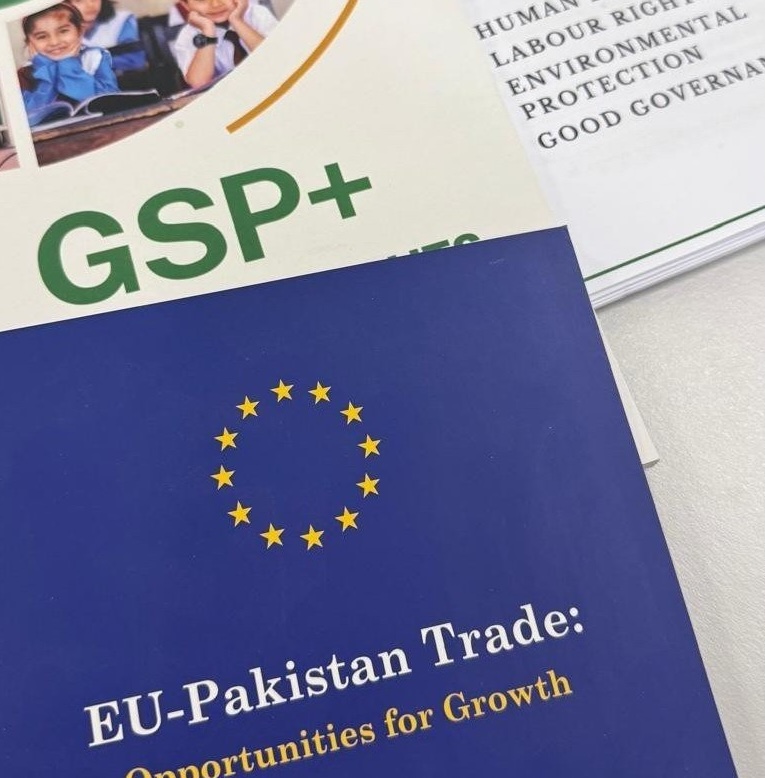
The European Union has expressed serious concerns over Pakistan’s human rights record, warning that the country’s continued access to preferential trade benefits under the Generalised Scheme of Preferences Plus (GSP+) will depend on its compliance with international commitments under revised GSP rules due to take effect from 2027.
In its latest joint monitoring report covering the 2023-2025 period, the European Commission and the EU High Representative for Foreign Affairs and Security Policy said Pakistan had fallen short of meeting several obligations under the GSP+ framework.
The report stated that Pakistan had “regressed in a number of areas while positive change was limited,” raising concerns over the rule of law, judicial independence and the shrinking space for civil society.
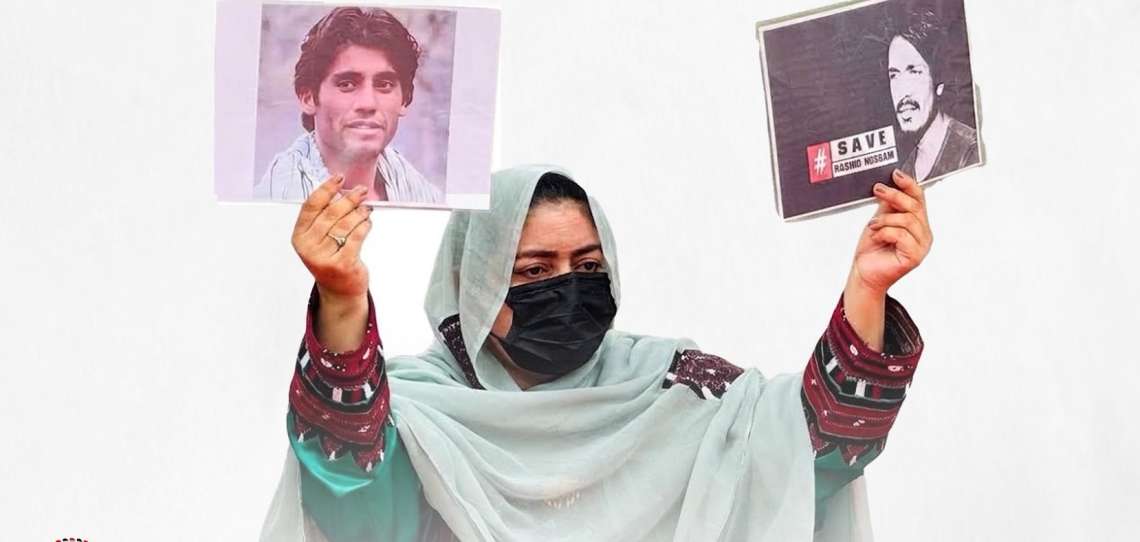
It said that “Enforced disappearances and extrajudicial killings increased, without accountability for perpetrators. Freedom of expression deteriorated due to further amendments to cybercrime, anti-terrorism and blasphemy laws, allowing for vague provisions to be used against dissidents, human rights defenders, journalists, minorities and ordinary citizens. This includes criminal and administrative procedures that may result in imprisonment, financial confiscation or denial of travel abroad.”
The report also criticised recent constitutional amendments, stating that they had been viewed as further undermining judicial independence.
“Recent constitutional amendments have been criticised for further undermining judicial independence. This compounds with issues like obstacles to fair trial and access to justice. Forced labour continued to affect too many,” it added.
The EU assessment expressed concern over amendments to Pakistan’s Anti-Terrorism Act and related legislation in the provinces of Balochistan and Punjab, saying they appeared to permit preventive and arbitrary detention without charge or trial and without meaningful judicial oversight.
According to the report, “Together with other legislation such as the Actions (in Aid of Civil Power) Regulation, this risks blurring the line between legitimate law enforcement measures and enforced disappearances, and being used in a discriminatory or disproportionate manner against persons belonging to minority groups, political dissidents, human rights defenders, journalists, students and family members of victims.”
The report said restrictions on freedom of expression and access to information remained serious and persistent, adding that despite legislation intended to protect journalists, media freedom had continued to deteriorate and the working environment had become increasingly hostile.
It also cited intimidation, administrative and judicial harassment, and violence against journalists reporting on sensitive issues.
On Pakistan’s blasphemy laws, the report said they continued to have a “negative impact” on freedom of expression and were disproportionately affecting members of minority religious communities.
“Authorities highlighted existing legal safeguards and provincial Standard Operating Procedures (SOPs) for case handling, and judicial oversight as measures to curb misuse of the laws. However, these prove to be ineffective, with persistent reports of procedural delays, intimidation, and extrajudicial violence impacting blasphemy cases. There has been no prosecution of false accusations of blasphemy to date. Blasphemy laws are also misused for personal gain,” the report stated.
The EU also highlighted the continued persecution of minorities, saying they faced discrimination, individual attacks, mob violence and the destruction of places of worship.
It added that prosecution of hate crimes against minorities remained limited, creating a climate of impunity for perpetrators and fear among victims. The report further stated that Pakistan’s legal framework did not adequately recognise or protect religious, ethnic and linguistic minorities.
The findings form part of the EU’s ongoing monitoring of countries benefiting from the GSP+ trade scheme, under which participating nations are expected to effectively implement international conventions on human rights, labour rights, environmental protection and good governance.