Remarks by Bangladesh Jamaat-e-Islami chief Shafiqur Rahman describing the United States as a “tested friend” have reignited debate over Washington’s role during the 1971 Liberation War….reports Asian Lite News Desk
Comments by Bangladesh Jamaat-e-Islami chief Shafiqur Rahman describing the United States as a “tested friend” of Bangladesh have triggered renewed debate over Washington’s role during the country’s 1971 Liberation War, with critics arguing that the remarks ignore a contentious chapter in the nation’s history.
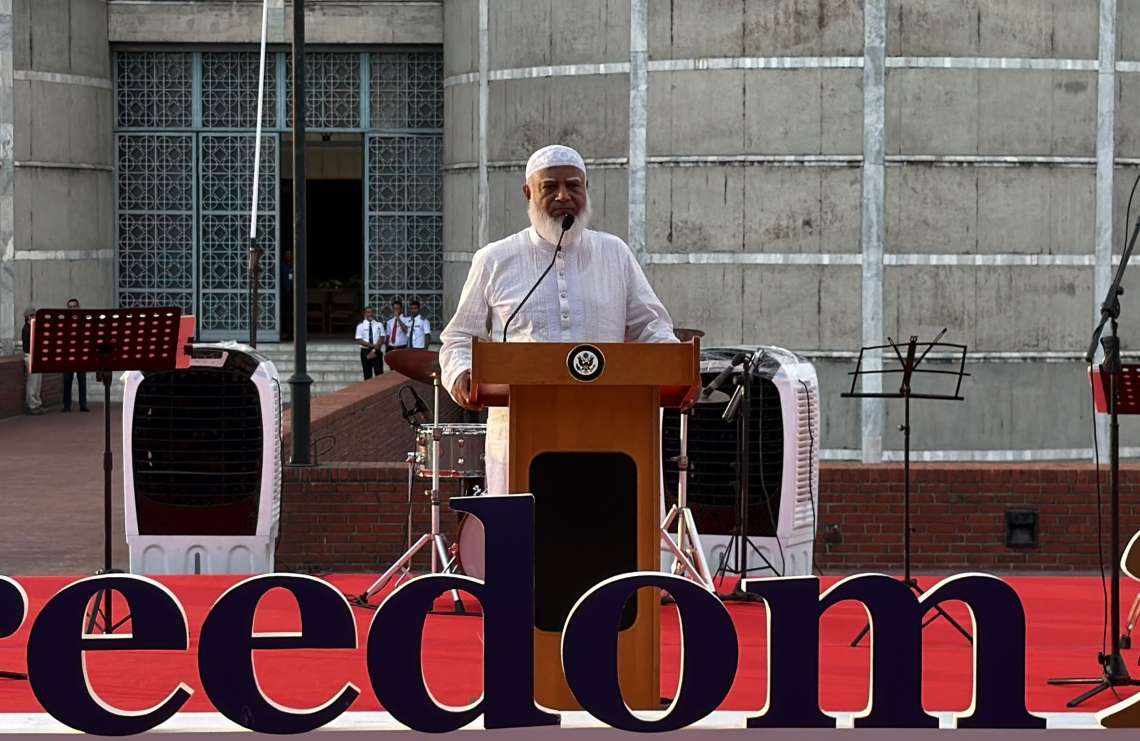
The controversy follows Rahman’s speech during celebrations marking the 250th anniversary of American independence at the South Plaza of Bangladesh’s Jatiya Sangsad (National Parliament), where he referred to the United States as a “tested friend” of Bangladesh.
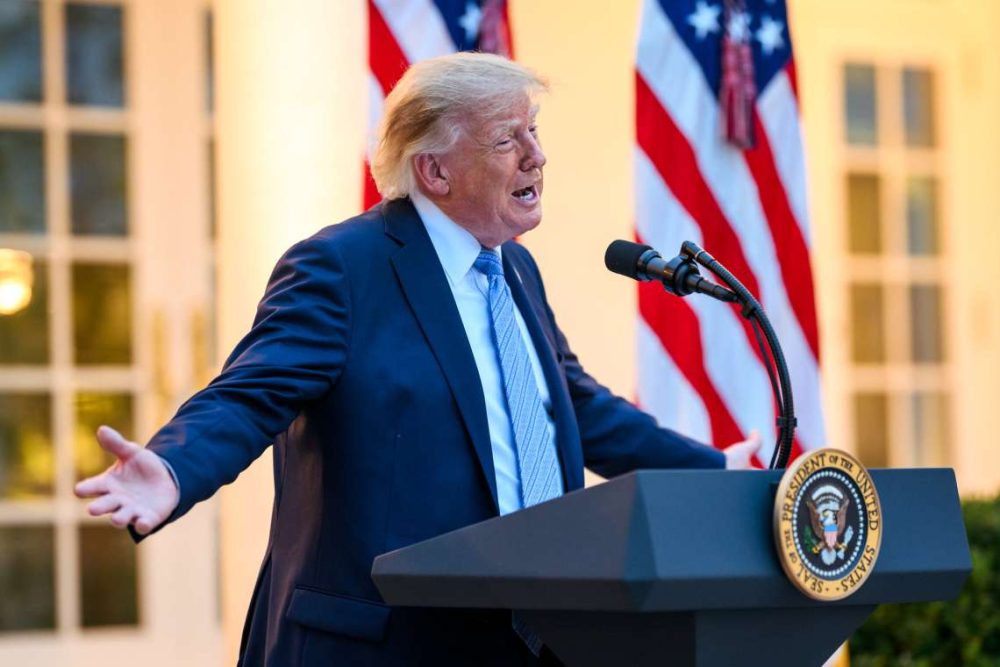
The remarks prompted criticism in Bangladesh, with commentators pointing to the United States’ policy during the 1971 Liberation War, when the administration of then US President Richard Nixon maintained support for Pakistan despite mounting reports of atrocities committed by Pakistani forces in what was then East Pakistan.

According to a report published by Bangladesh’s Daily Sun, Washington’s policy during the conflict has long been regarded by many historians as one of the most controversial episodes in American foreign policy. The report said Nixon and his National Security Advisor, Henry Kissinger, prioritised Cold War geopolitical interests, including efforts to strengthen ties with China, over growing evidence of human rights abuses during the conflict.
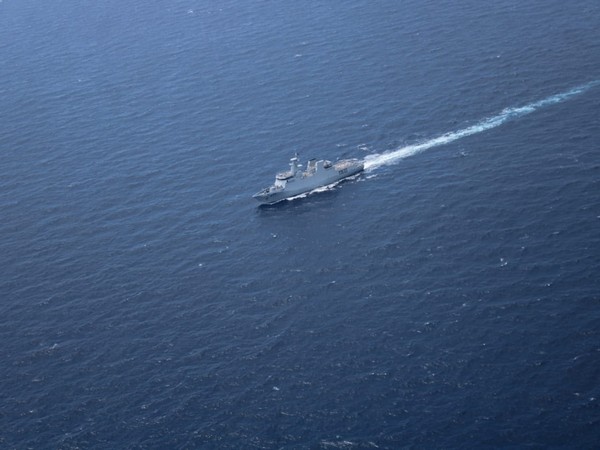
The report also highlighted the deployment of Task Force 74, led by the nuclear-powered aircraft carrier USS Enterprise, to the Bay of Bengal in December 1971 as the Indo-Pakistani War entered its decisive phase. The move was widely viewed at the time as a demonstration of support for Pakistan, reinforcing long-standing criticism of Washington’s stance during Bangladesh’s struggle for independence.
While acknowledging the importance of present-day Bangladesh-US relations, the Daily Sun argued that describing the United States as a “tested friend” without recognising the events of 1971 risks overlooking a defining moment in the country’s history.
The report stated: “Bangladesh Jamaat-e-Islami Ameer Shafiqur Rahman’s description of the United States as a ‘tested friend’ of Bangladesh during the celebration of the 250th anniversary of American independence at the South Plaza of the Jatiya Sangsad has reignited an old debate. Diplomatic niceties are an integral part of international relations, and there is nothing unusual about celebrating the ties between two countries. Yet portraying the United States as a ‘tested friend’ without acknowledging the defining test of 1971 risks reducing history to political convenience.”
The publication also questioned the historical consistency of the remarks, given Jamaat-e-Islami’s own disputed role during the Liberation War.
“The irony is difficult to ignore. The remark comes from the leader of a party whose own role during Bangladesh’s Liberation War continues to cast a long shadow over its political legacy. For Jamaat-e-Islami to invoke the language of enduring friendship while remaining silent about both its own wartime position and Washington’s record during the Liberation War raises uncomfortable questions about historical consistency,” the report said.

The decision to host the American independence celebration within the parliament complex also attracted criticism from left-wing political groups and intellectuals, according to the report. Opponents argued that the venue overlooked a painful period in Bangladesh’s history and reflected broader concerns about growing American influence in the country.
The report noted that critics also linked the event to recent opposition to the Interim Government’s reciprocal trade agreement with the United States, arguing that it ran counter to Bangladesh’s sovereign interests.
“Whether one agrees with these objections or not, they reflect a historical memory that remains deeply embedded in the national consciousness,” the report stated.
Concluding its commentary, the Daily Sun argued that Bangladesh’s Liberation War remains central to the country’s national identity and warned against selective interpretations of history.
“History is not served by selective remembrance. Bangladesh’s Liberation War is the moral foundation of the Republic. Any political party—particularly one whose own wartime role remains deeply contested—should approach that history with humility rather than revisionism,” the report said.