Nepal has asked India to recognise its National Identity Card as a valid document for cross-border travel, seeking to strengthen security and simplify movement between the two neighbours…reports Asian Lite News Desk
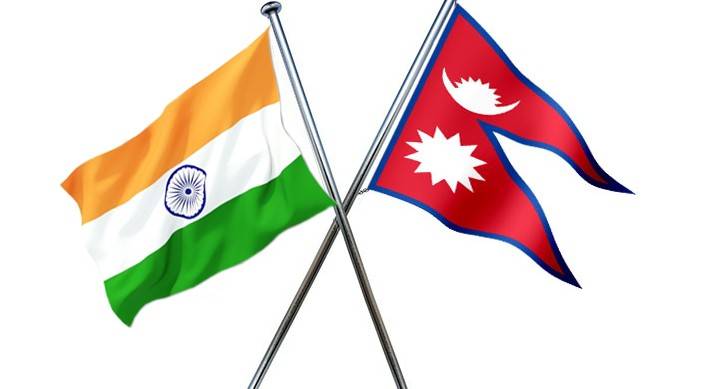
Nepal has formally asked India to recognise its National Identity Card (NID) as a valid travel document for cross-border movement, a move aimed at improving identity verification and enhancing security while making travel between the two neighbouring countries more convenient.
The proposal was submitted to the Indian government in late June, with Nepal seeking to add the biometric National Identity Card to the list of documents accepted by India for Nepali citizens travelling across the open border.
Ram Chandra Tiwari, Director General of Nepal’s Department of Immigration, told IANS that the request had been formally conveyed to New Delhi.
“At present, India recognises mainly Nepal’s passport and citizenship certificate as official identity documents. We have formally proposed that the National Identity Card also be accepted as a valid identification document for air travel and cross-border movement,” Tiwari said.
The National Identity Card is Nepal’s biometric identity document, comparable to India’s Aadhaar card. It contains fingerprints, facial images and iris scans and is gradually replacing the traditional paper-based citizenship certificate for accessing a range of public services.
The Nepali government has already made the card mandatory for several official services, including passport applications, land registration, opening bank accounts and accessing other government services.
Officials say recognising the card for travel would strengthen security because it carries biometric information, unlike the existing citizenship certificate.
“A citizenship certificate is merely a paper document without biometric information, whereas the NID provides a secure and reliable means of identification. Its recognition would enhance security arrangements for both Nepal and India,” Tiwari said.
Following Nepal’s proposal, officials from the Indian Embassy in Kathmandu sought further information from Nepal’s immigration authorities regarding the technical features and security standards of the National Identity Card.
“The embassy officials made informal inquiries regarding the card’s technical and security aspects. It was not a formal bilateral meeting but an exchange of information,” Tiwari said.
Nepal and India share an open border, allowing citizens of both countries to travel without passports or visas for most cross-border journeys.
At present, India accepts Nepal’s passport and citizenship certificate as valid identity documents for Nepali citizens. Indian citizens travelling to Nepal by air can use a passport, voter identity card or identity cards issued by India’s central or state governments.
According to Nepal’s Department of National ID and Civil Registration, more than 4.5 million Nepali citizens have already received the National Identity Card, while around 20 million people have enrolled to obtain one.
The proposal forms part of Nepal’s broader effort to modernise its identity management system through secure, digitally readable biometric documents while facilitating smoother movement across one of South Asia’s busiest open borders.