Iran has confirmed it is negotiating with Oman to establish a new two-way shipping corridor through the Strait of Hormuz, aiming to replace the current traffic system suspended amid regional tensions….reports Asian Lite News Desk
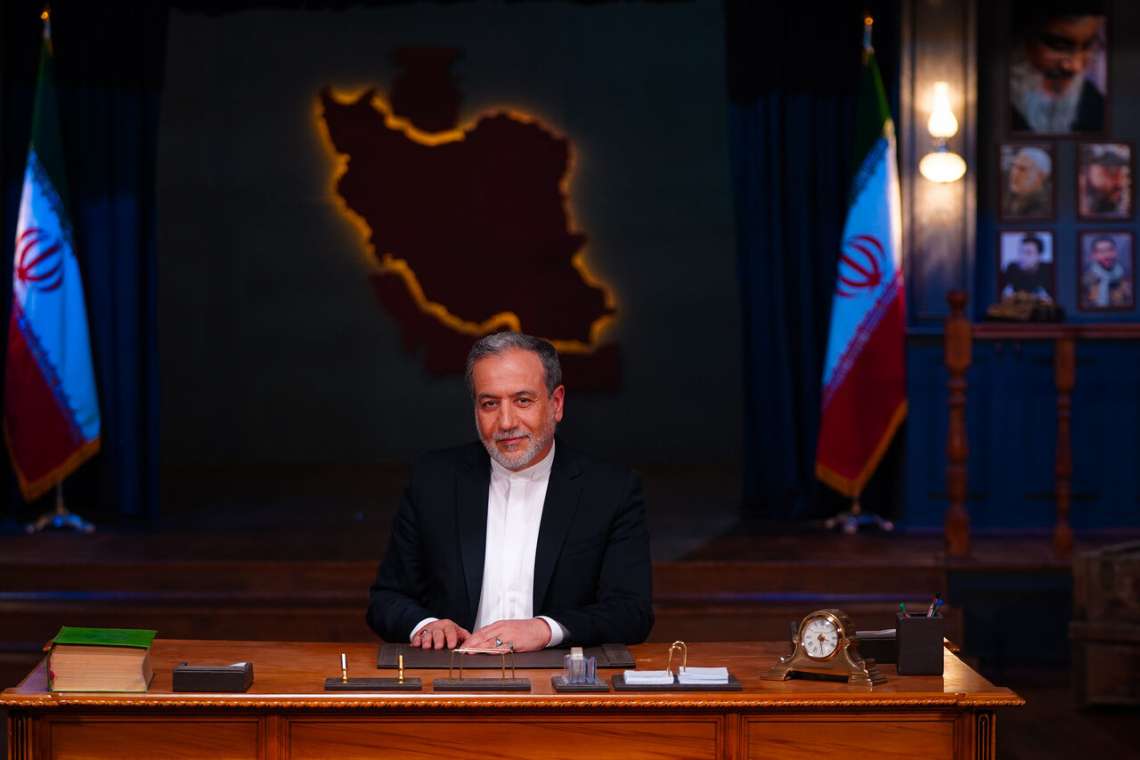
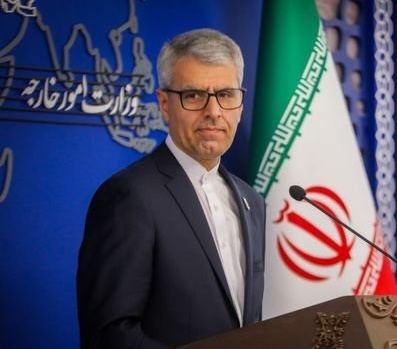
Iran is in discussions with Oman to establish a new “single two-way route” through the Strait of Hormuz in an effort to restore shipping through one of the world’s most strategically important waterways, the country’s Foreign Ministry spokesperson Esmaeil Baqaei said on Monday.
Speaking at a press briefing in Tehran, Baqaei said the proposed arrangement would replace the existing system of multiple shipping lanes with a single intermediate corridor designed to accommodate vessels travelling in both directions. According to Iran’s official news agency IRNA, the negotiations are focused on balancing the security and maritime interests of both countries, which lie on opposite sides of the strait.
IRNA reported that the proposed corridor would replace the current northern and southern routes with a unified transit channel until Iran and Oman agree on a permanent alternative to the existing international Traffic Separation Scheme (TSS).
Oman’s Foreign Ministry had not publicly commented on the negotiations as of early Tuesday, neither confirming nor denying that discussions were taking place.
If an agreement is reached, it could pave the way for the resumption of commercial shipping through the Strait of Hormuz, a vital maritime chokepoint for global energy supplies. The prolonged disruption to traffic through the waterway has affected oil and gas shipments, raising concerns over energy markets and international trade.
Baqaei said the talks involve only Iran and Oman, rejecting suggestions that any other country is participating in the negotiations.
His comments came after US President Donald Trump said discussions were taking place with Iran on reopening the Strait of Hormuz. Baqaei denied that Washington was involved in the current negotiations.
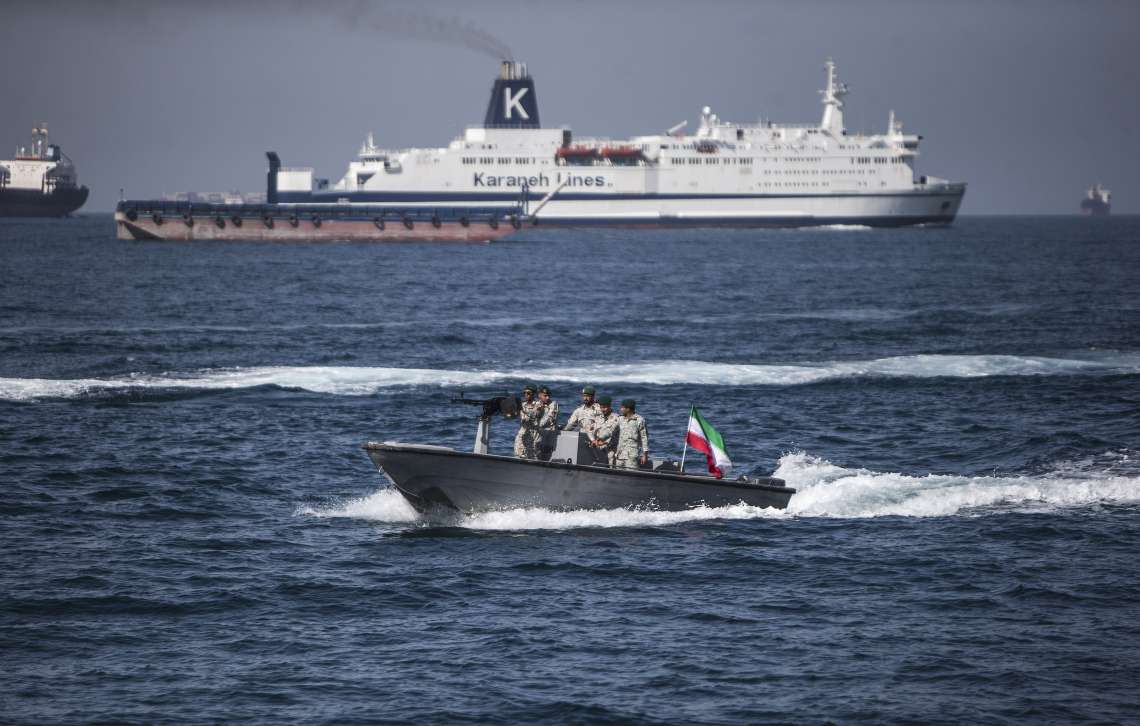
The Strait of Hormuz has remained largely closed since the Israel-US strikes on Iran in February, with only limited periods of ship movements since then.
During the standoff, Iran deployed naval mines in the strait and carried out attacks on vessels attempting to transit the waterway, while the United States imposed a blockade on Iranian ports and targeted ships attempting to bypass the restrictions.
The current Traffic Separation Scheme governing navigation through the strait was adopted by the International Maritime Organisation (IMO) in 1968 following a proposal jointly submitted by Iran and Oman.
According to the IMO, the system establishes designated shipping lanes to improve maritime safety and reduce the risk of collisions. It consists of two-mile-wide traffic lanes in each direction, separated by a two-mile buffer zone.
However, the IMO has advised vessels to avoid using the existing TSS because of reports that mines remain in the area.
Media reports, citing unnamed US and Iranian officials, said the proposed Muscat-Tehran arrangement would effectively divide traffic into right-hand lanes, similar to a highway system. Under the reported plan, ships entering the Gulf would sail closer to Iran’s coastline, while outbound vessels would use a route nearer Oman.
Baqaei criticised an earlier US-backed proposal that routed shipping through Omani waters, saying it contradicted the June Memorandum of Understanding between Iran and the United States and raised environmental and national security concerns.
The United States Navy had previously escorted commercial vessels through the Omani side of the strait, but the operation was halted after several ships came under attack.
Reports have also suggested that the proposed arrangement could allow Iran to collect service fees from vessels using its side of the corridor without formally imposing transit tolls, which could conflict with international maritime law. US President Donald Trump has previously opposed any such charges.
Baqaei did not directly answer questions regarding whether Iran would levy fees under the proposed system.