At least 157 people are dead and hundreds missing after sudden Nepal flash floods, as India rushes humanitarian and medical assistance to devastated communities, reports Asian Lite News Desk
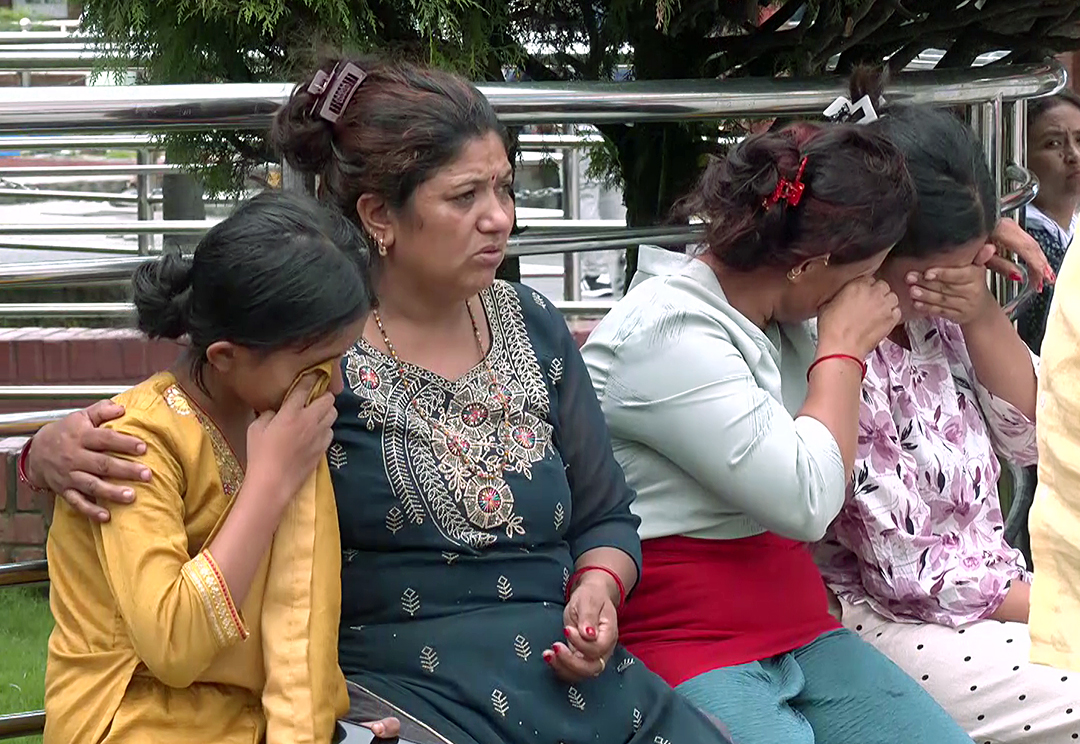
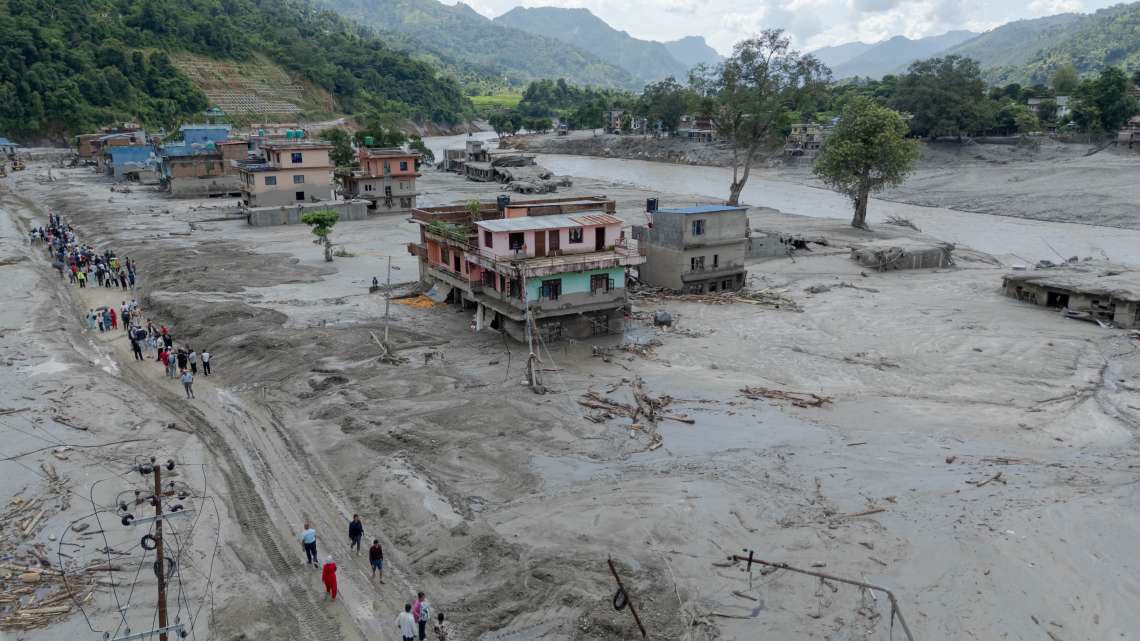
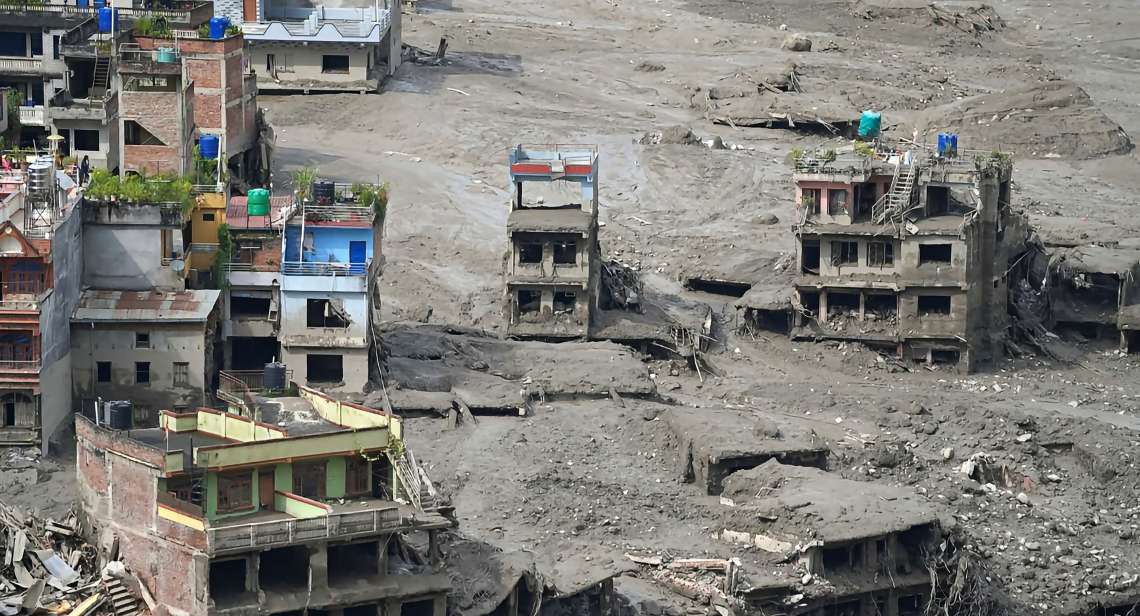
At least 157 people have been killed and hundreds remain missing after devastating flash floods swept through Nepal’s Bhote Koshi River region, destroying homes, bridges, hydropower projects and other critical infrastructure in one of the Himalayan nation’s worst recent disasters.
The disaster struck on Wednesday after an avalanche blocked the Lhende tributary of the Bhote Koshi near Timure, close to Nepal’s border with China at Rasuwagadhi, according to preliminary reports cited by The Kathmandu Post.
The blockage is believed to have triggered a sudden and violent surge of water downstream towards settlements including Syaphrubesi. With little or no rainfall reported in the immediate area, residents were caught completely off guard.

Authorities are still compiling casualty figures and assessing the full scale of the destruction, with the identification of many victims yet to be completed.
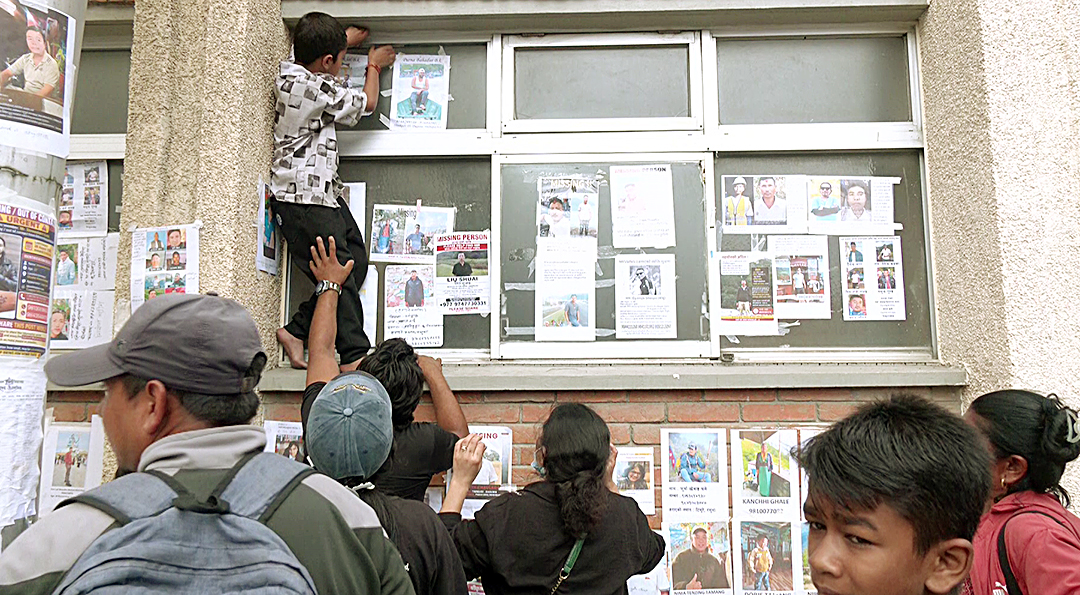
Hundreds of people, including tourists and security personnel, remain unaccounted for. Preliminary information from Nepal’s Prime Minister’s Office indicated that 391 tourists and 44 security personnel were among those missing, although authorities said the figures were subject to verification as search operations continued.
The government said Nepal Army personnel, police officers and members of the Armed Police Force deployed in the affected region had lost contact during the disaster.
Nepal’s Tourism Board said around 105 Indian nationals were among foreign tourists reported missing, based on preliminary information received from tourism and travel agencies.

The floods have also caused widespread damage to infrastructure across the affected districts. At least nine hydropower projects and several commercial bank facilities have been damaged or swept away, while 19 motorable bridges and an estimated 40 kilometres of highway have been destroyed, according to preliminary assessments.
Government offices, security installations, homes, businesses and public infrastructure in the Nepal-China border region, particularly in Rasuwa district, have also been badly affected.
The Prime Minister’s Office said security agencies and emergency authorities were immediately mobilised for search, rescue and relief operations. Communities along riverbanks were placed on high alert and residents were urged to remain in safe locations and avoid approaching swollen waterways.
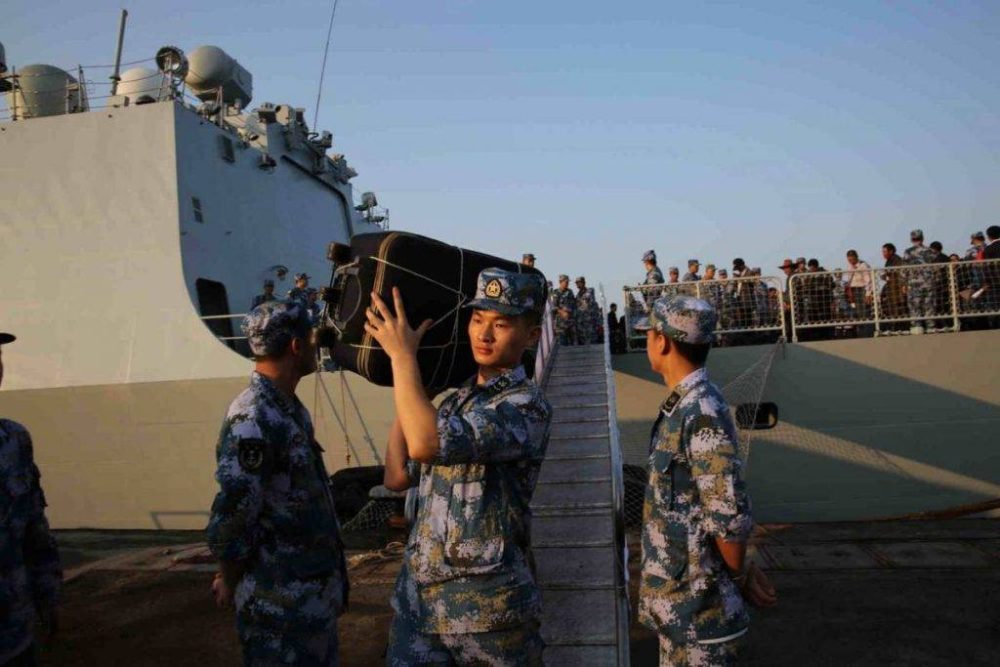
India has moved quickly to support Nepal’s relief efforts, sending 10 tonnes of humanitarian assistance to Kathmandu.
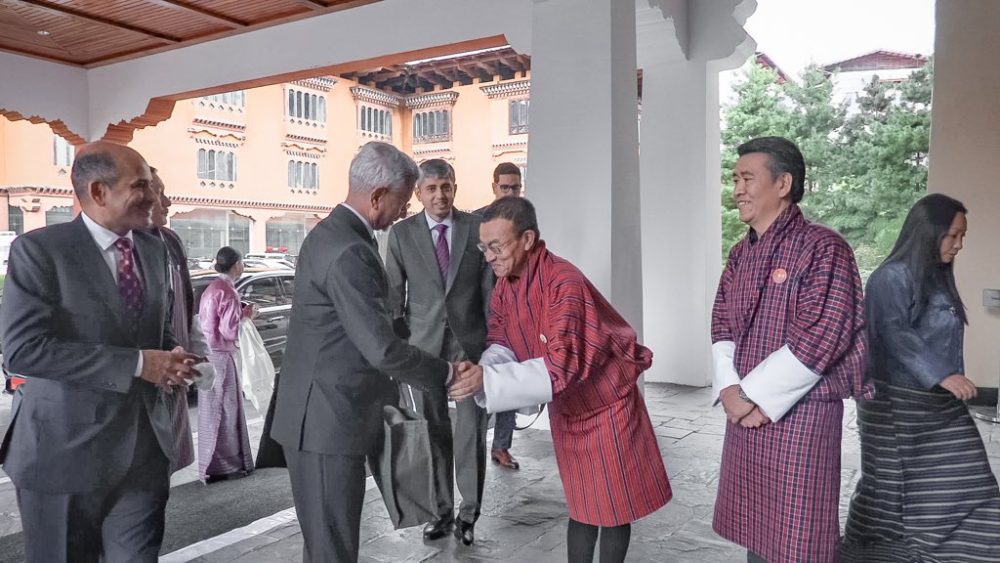
India’s Ambassador to Nepal, Naveen Srivastava, formally handed over the consignment to Nepal’s Minister for Culture, Tourism and Civil Aviation, Khadak Raj Paudel. The aid includes essential relief materials for communities affected by flooding and landslides.
Prime Minister Narendra Modi also spoke with Nepal Prime Minister Balendra Shah to express condolences over the loss of life and assure him that India was ready to provide all possible humanitarian assistance.

In a message on X, Modi said the people of India stood in solidarity with their “sisters and brothers in Nepal” and that teams from both countries were coordinating closely on rescue and relief efforts.
External Affairs Minister S Jaishankar said India’s humanitarian assistance and disaster relief, along with medical support, had reached Kathmandu, with further assistance being mobilised.
The disaster has also renewed concerns about the growing risks posed by unstable Himalayan terrain and glacial lakes. Scientific assessments by the International Centre for Integrated Mountain Development and the Government of Nepal have identified 47 potentially dangerous glacial lakes that could trigger catastrophic glacial lake outburst floods.
Of these, 21 are located within Nepal, while 25 are transboundary lakes in Tibet, situated near the headwaters of rivers flowing into Nepal.
Experts have cautioned against drawing immediate conclusions about the precise cause of Wednesday’s disaster. Dr Swapnamita Choudhury Vaideswaran of the Wadia Institute of Himalayan Geology said there had been very little rainfall in the area and stressed that further investigation was needed.
She said the changing climate and the growing threat from unstable glacial lakes underlined the need for better monitoring and preparedness across the Himalayan region.
As rescue teams continue searching riverbanks and debris fields, fears are growing that the death toll could rise further, with hundreds of tourists, local residents and security personnel still unaccounted for.