Pakistan has condemned the reported Houthi drone attack near Mecca and reaffirmed its support for Saudi Arabia….reports Asian Lite News Desk
Pakistan has condemned an alleged Houthi drone attack near Mecca and reaffirmed its commitment to Saudi Arabia, while its military has stressed that the newly signed defence pact with Saudi Arabia and Türkiye is defensive in nature and that details of any response would remain operationally classified.
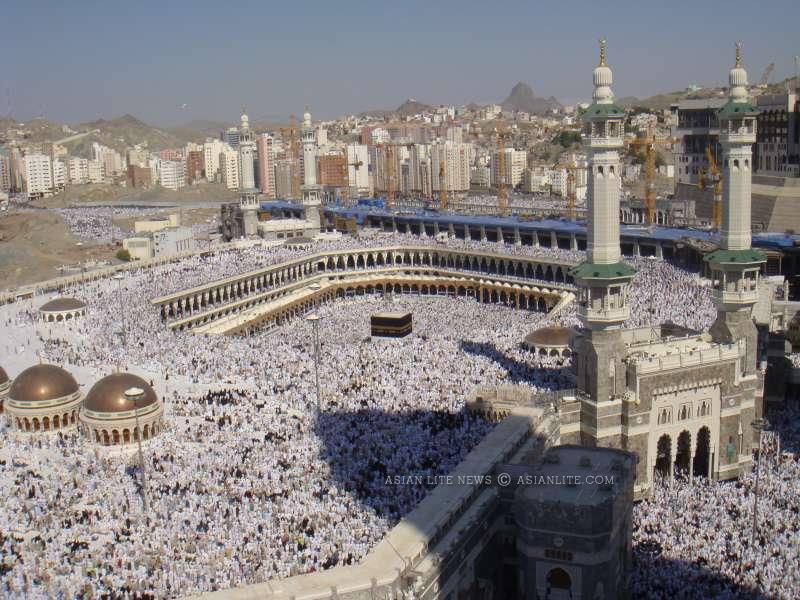
The Saudi-led coalition said on Tuesday that it intercepted and destroyed a Houthi drone south of Mecca before it entered the restricted airspace around the holy city. The Houthis denied targeting Mecca or other religious sites, describing the Saudi account as propaganda.
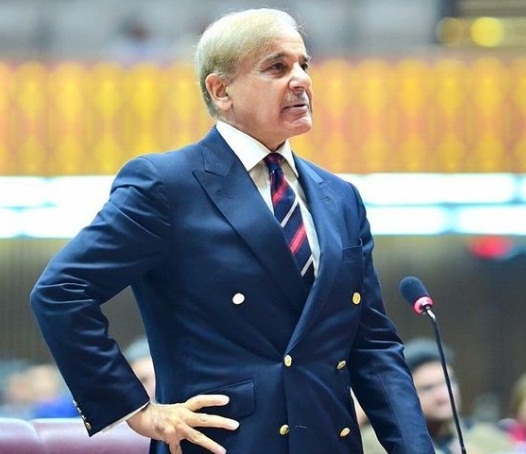
Pakistan Prime Minister Shehbaz Sharif condemned the reported incident as “dastardly and heinous” and expressed solidarity with Saudi Arabia. Pakistan’s Defence Minister Khawaja Asif later said Islamabad would stand with Riyadh “practically and diplomatically” if the situation escalated, while maintaining that Pakistan would fulfil its obligations under the trilateral agreement.
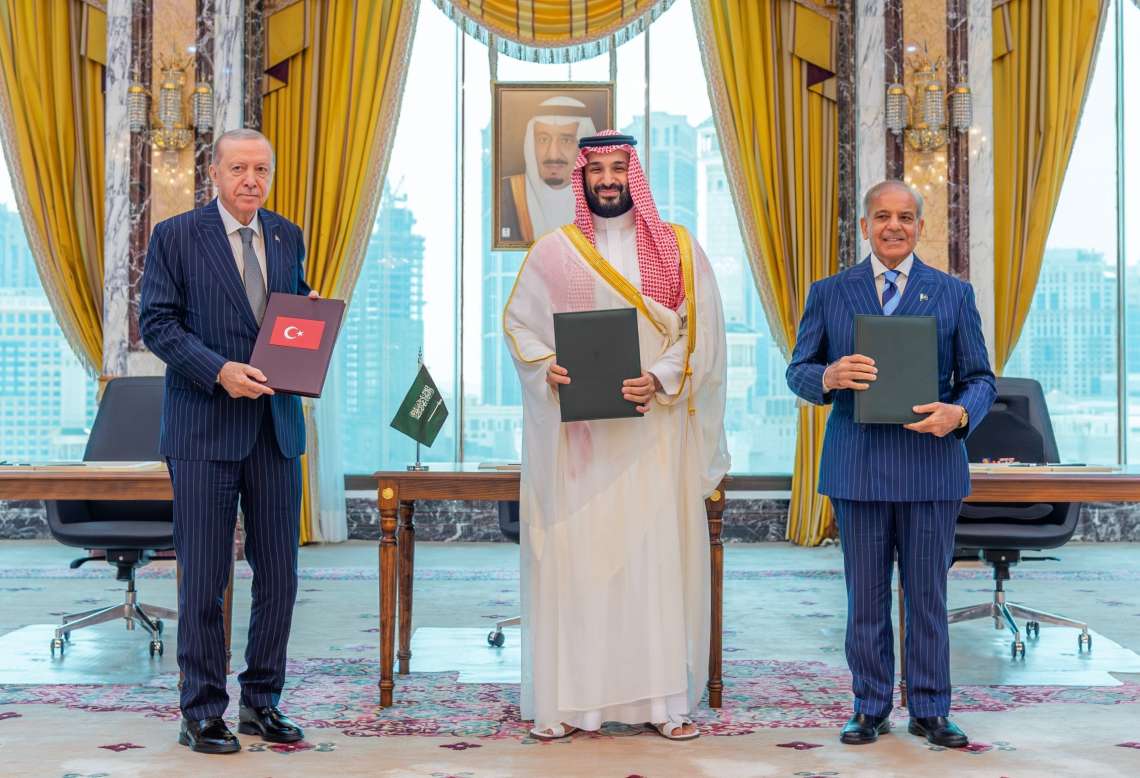
The remarks come amid growing scrutiny of the Makkah Joint Defence Agreement signed by Pakistan, Saudi Arabia and Türkiye on August 7. The agreement states that an armed attack against any one of the three countries will be regarded as an attack against all three and provides for closer defence cooperation and collective deterrence.
The pact has been compared by some observers to NATO’s collective-defence principle. However, Pakistan’s military has sought to emphasise its defensive character.
Inter-Services Public Relations Director General Lieutenant General Ahmed Sharif Chaudhry said the alliance had “no aggressive element” and was “purely defensive in nature”. He described it as an arrangement based on “collective deterrence” and said it had “no regional aspirations”.
Asked how Pakistan would respond if one of the member states came under attack, Chaudhry declined to provide operational details, saying such matters would be decided by the three countries and would not be made public.
The comments have come as Houthi attacks on Saudi Arabia have intensified amid the wider conflict in the Middle East. The Houthis, who control significant parts of Yemen, have also advanced along the country’s Red Sea coast and strengthened their position around the Bab al-Mandab Strait, a key maritime route.
Saudi Arabia has been seeking additional support from regional and Western partners as it faces continuing missile and drone threats. The Associated Press reported that Riyadh was seeking military assistance from countries including France, Britain, Pakistan and Egypt, although no country had publicly committed to direct military intervention at the time of the report.
Pakistan’s position is complicated by its efforts to maintain relations with both Saudi Arabia and Iran. Islamabad has also sought to position itself as an intermediary in efforts to reduce tensions between Washington and Tehran.
Chaudhry said the defence pact did not prevent Pakistan from maintaining relations with Iran and argued that Islamabad’s ties with different countries were not pursued at the expense of others. He also said Pakistan wanted to continue its efforts towards a negotiated settlement of the wider conflict.
The agreement provides for enhanced defence cooperation among Pakistan, Saudi Arabia and Türkiye, including mechanisms for coordination between their defence and foreign ministers and military commanders. It also envisages cooperation in areas including defence technology and joint military activities.
Pakistan’s latest statements therefore leave the practical application of the pact open while reaffirming its commitment to Saudi Arabia. Islamabad has not publicly detailed what specific military measures it would take in response to the latest Houthi attacks.
The situation remains fluid as Saudi Arabia faces continued attacks and the Houthis maintain their position that their operations are directed at military and strategic targets rather than religious sites.