Afghan nationals deported from Pakistan say they were given little time to collect belongings, property and business assets before being sent across the border. ..r.eports Asian Lite News Desk
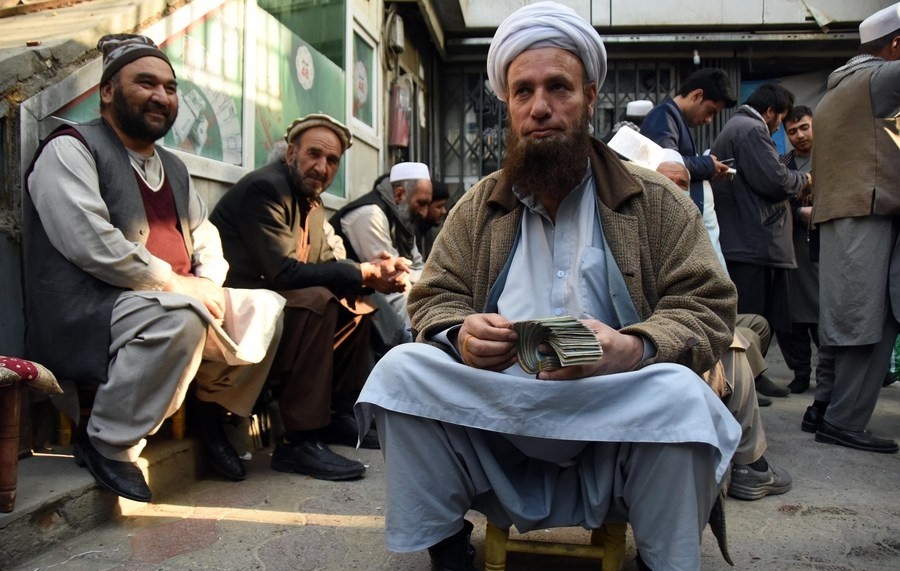
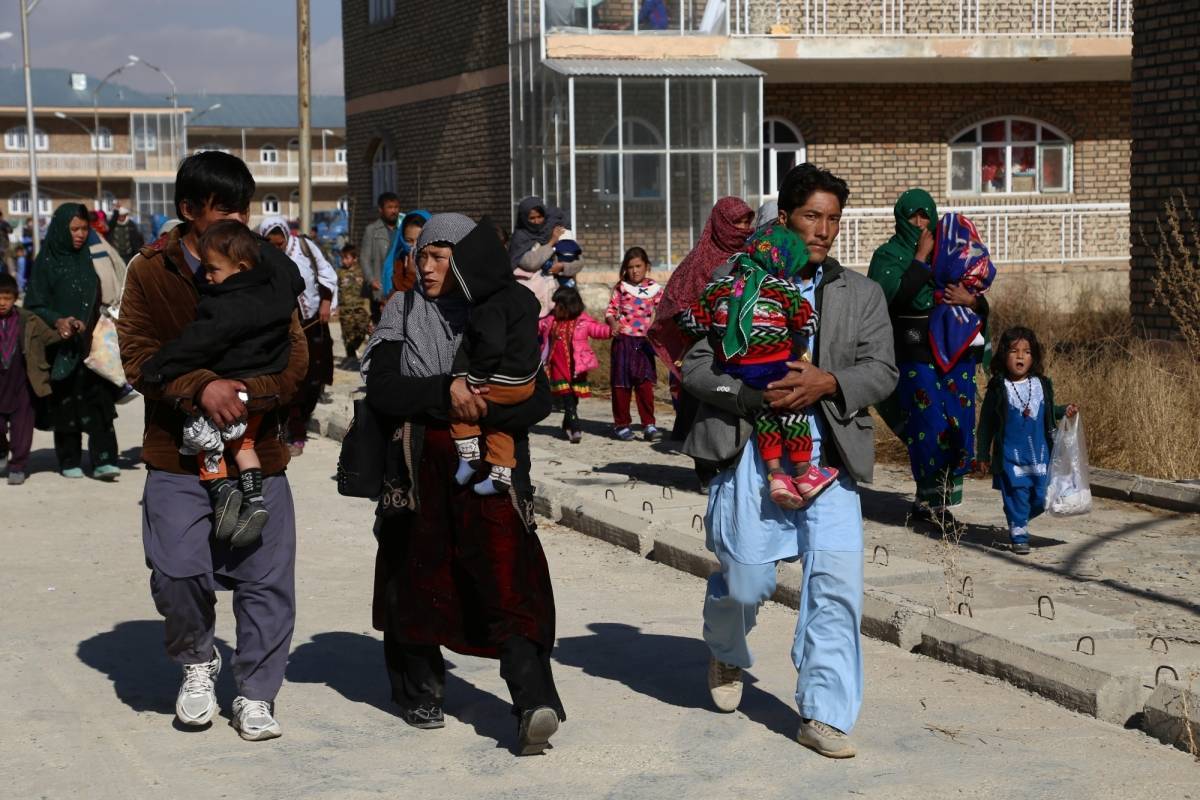
Afghan nationals deported from Pakistan have described leaving behind homes, vehicles, businesses, livestock and other belongings, saying they had little or no opportunity to collect their possessions before being sent back to Afghanistan.
Sanaullah, who was born and lived in Pakistan for nearly 40 years, was recently deported to Afghanistan with his family. He said his car, business and much of the life he had built in Pakistan were left behind.
Originally from Afghanistan’s Kunar province, Sanaullah said he spent three to four days in detention in Pakistan with his children before being deported.
“Everything we had was left behind. Our cars were left there, and the work we were doing was left behind,” Amu TV quoted him as saying.
“They suddenly arrested us and put us in prison. When we came back, everything we had remained there. They kept us there for three or four days, and my children were with me,” he said.
Another returnee, Juma Gul, said his family arrived in Afghanistan with little more than bedding, while their tractor, livestock and household belongings remained in Pakistan.
Gul Agha, another returnee, said financial assets were still unresolved in Pakistan. He urged Pakistani authorities to allow deported Afghans to return legally so they could settle outstanding personal and financial matters.
Other Afghans returning across the border said their immediate concerns were finding employment and securing shelter in Afghanistan.
Ali Mohammad, another returnee, called on the Taliban authorities to assist families as they attempt to rebuild their lives after returning to the country.
The accounts come amid continued international concern over Pakistan’s treatment and deportation of Afghan nationals.
On September 18, United Nations experts warned Pakistan against forcibly deporting Afghan refugees to Afghanistan. They called on authorities to urgently identify people who could face persecution, torture or other serious human rights violations before deciding on their removal.
“We are gravely concerned over Pakistan’s forced return of Afghans. The immediate priority is the establishment of a transparent and accessible procedure through which Afghans at risk can come forward, be individually assessed, and obtain protection from removal while that assessment is carried out,” the experts said.
“Without such procedures, vulnerable individuals may remain in hiding, unable to seek protection for fear of arrest, detention or removal,” they added.
The experts also highlighted orders directing medical and dental institutions in Pakistan to remove Afghan students. At least 100 Afghan students were reportedly expected to be affected, including between 20 and 40 women.
“For female Afghan students in particular, this move would end their hopes of qualifying as doctors and dentists, because of the Taliban’s ban on higher education and medical training for women,” the experts said.
They urged Pakistan to halt the removal of Afghan nationals, particularly women and unaccompanied children, citing the principle of non-refoulement, which prohibits returning people to places where they face a real risk of persecution, torture, serious mistreatment, arbitrary detention, enforced disappearance or other serious harm.
The experts also expressed concern over a June 28, 2026 directive from Pakistan’s Ministry of Interior instructing provincial authorities to detain and deport Afghan nationals without valid documentation after July 10.
According to figures cited by the experts, around 127,344 Afghans crossed into Afghanistan between July 10 and August 27, including at least 14,186 people who were reportedly forcibly removed. About 38,388 of those crossing were women and children.
The experts also raised concerns about unaccompanied Afghan children being returned to a country where they said adequate child-sensitive reception, assistance and protection mechanisms are absent.
They called on Pakistani authorities to provide greater clarity on the criteria and procedures used to identify vulnerable Afghan refugees.