UKPNP raises alleged human rights violations in Pakistan-occupied Kashmir and Gilgit-Baltistan at the UN Human Rights Council session in Geneva….reports Asian Lite News Desk
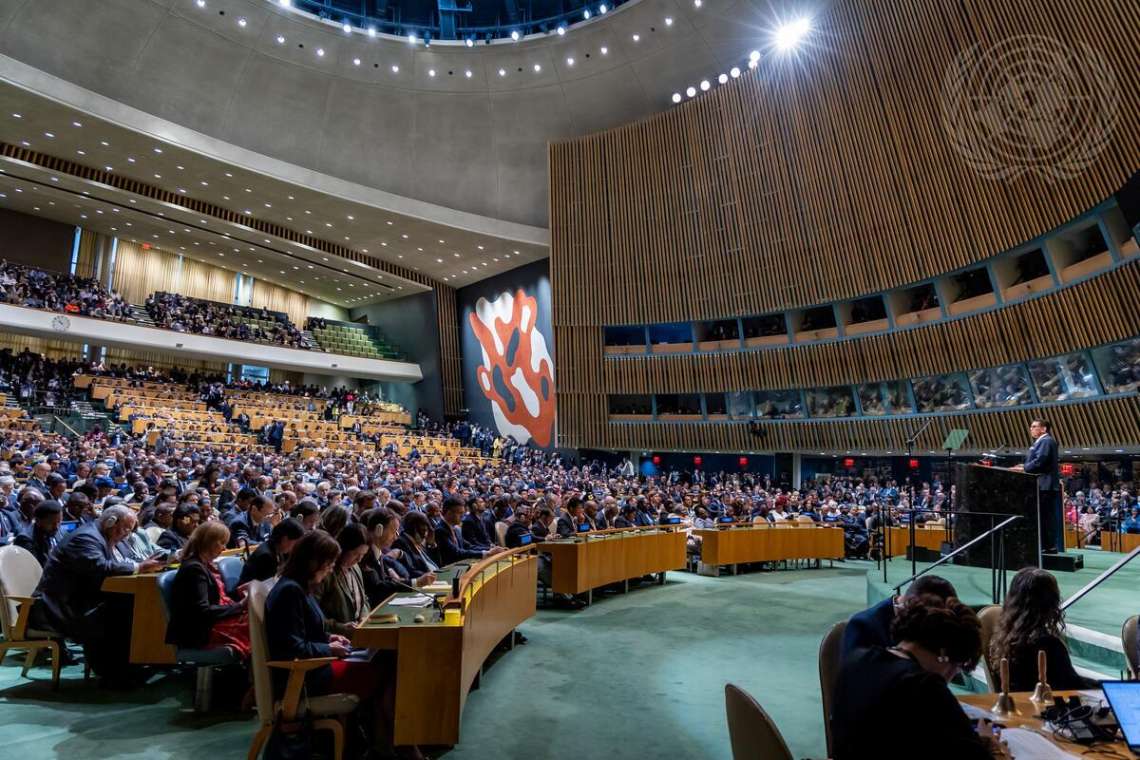
The United Kashmir People’s National Party (UKPNP) has raised concerns over what it described as a deteriorating human rights situation in Pakistan-occupied Kashmir (PoK) and Pakistan-occupied Gilgit-Baltistan (PoGB) at the ongoing 63rd session of the United Nations Human Rights Council (UNHRC) in Geneva.
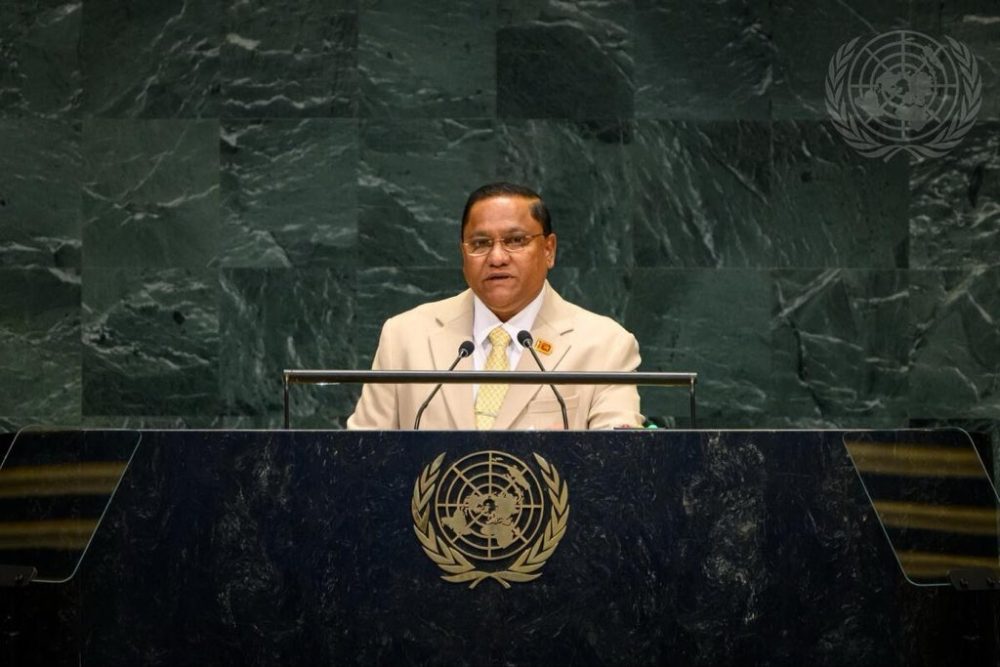
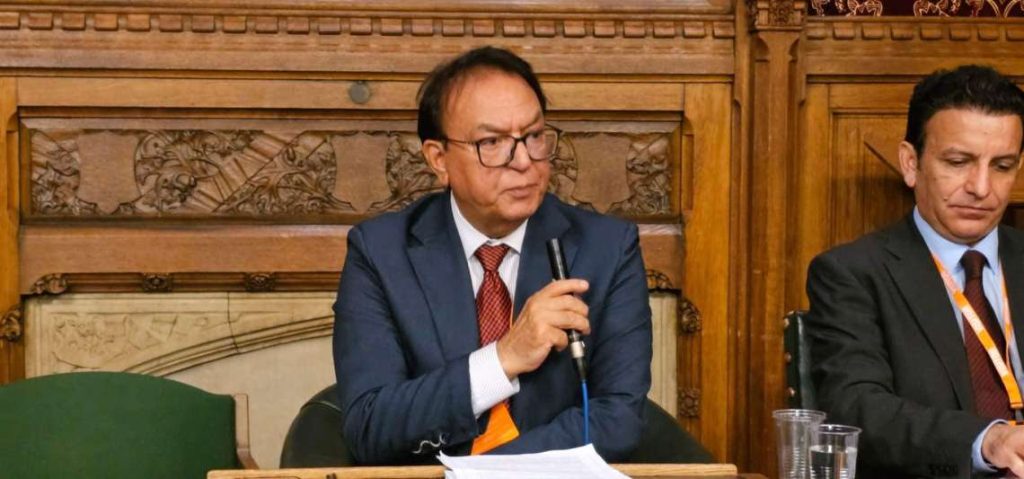
Sardar Shaukat Ali Kashmiri, Representative of the African Development Association (ADA) and Chairman of the UKPNP, addressed the Council on Monday and referred to reports of increased repression by Pakistani authorities in PoK since June 5, 2026.
He cited reported deaths and injuries, arbitrary arrests, enforced disappearances, restrictions on peaceful assembly, communication blackouts and what he described as increasing militarisation of civilian life.
Kashmiri called for an immediate, independent and impartial investigation into the reported incidents and urged the international community to press Pakistan to ensure accountability and protect civilians exercising their democratic rights.
“Peaceful dissent is not terrorism, and demanding rights is not a crime,” Shaukat Ali told the Council.
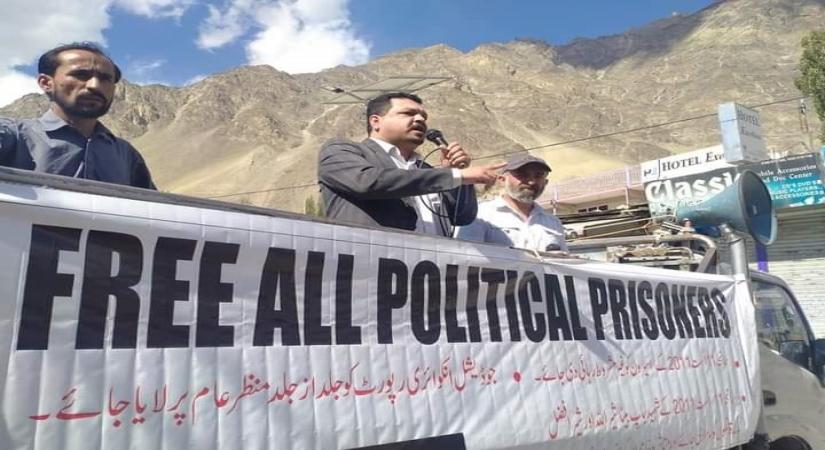
He called for an end to the use of force against peaceful demonstrators and urged authorities to release people he said had been arbitrarily detained. He also called for information about the whereabouts of missing people and the restoration of unrestricted internet and mobile communications across PoK.
Turning to PoGB, Kashmiri highlighted concerns over political representation, land ownership and the rights of local communities over natural resources.
He also urged the UNHRC to establish independent monitoring mechanisms to examine reported abuses, protect civic space and promote accountability in the territories.
The latest intervention follows concerns raised at the UNHRC session last week, when activists also highlighted alleged human rights violations and socio-economic difficulties in PoK.
During an oral statement, social activist Harleen Kour said people in PoK had been protesting for months over issues including food, electricity, employment, infrastructure and political representation.
Kour alleged that the protests had been met with excessive force, arbitrary detentions, communication blackouts and the use of anti-terror legislation against peaceful groups.
“This Council cannot remain silent while fundamental human rights are violently suppressed,” she told the Council, while alleging extrajudicial killings and mass detentions.
She also raised concerns about the distribution of natural resources from the region, alleging that resources extracted from PoK benefit external interests while local communities face inflation, unemployment and inadequate infrastructure.
Kour called on the UNHRC to establish an independent fact-finding mission to examine allegations involving civilian deaths, unlawful detentions and the use of excessive force.
She also urged an end to security crackdowns, restoration of communications and digital access, and greater protection for political activists and local leaders who, she alleged, face harassment.
The statements at the UNHRC come amid continuing political and socio-economic grievances raised by activists and representatives concerning PoK and PoGB. The allegations presented at the Council have called for further independent scrutiny of the reported incidents and greater international attention to the rights of civilians in the regions.