PhonePe’s UAE regulatory approval marks a new phase for India’s digital payments expansion, taking a home-grown fintech model deeper into international markets…reports India Daily News Desk
India’s digital payments expansion is gaining a stronger foothold in the UAE, with PhonePe securing in-principle approval from the Central Bank of the UAE for two payment licences as the Indian fintech prepares for its first international market entry.
The approvals cover Retail Payment Services and Card Schemes and Stored Value Facilities. PhonePe must still secure final regulatory approval before it can begin commercial operations in the Emirates.
The move places one of India’s biggest digital payments platforms at the centre of the UAE’s rapidly developing digital financial ecosystem. PhonePe said it plans to work with regional banks, licensed payment service providers and local technology companies once final approval is secured.
The company also intends to explore integration with the UAE’s domestic payment platforms, Aani and Jaywan, as it builds its local operations.
PhonePe said its decision to expand into the UAE was influenced by the country’s Financial Infrastructure Transformation programme, regulatory framework and growing digital economy.
“As the UAE advances toward an interconnected, digital-first economy, PhonePe aims to be a committed, long-term partner supporting its evolving ecosystem,” said Ritesh Pai, CEO and Executive Director of International Payments at PhonePe.
The company said its technology and partnerships could also help strengthen payment links between the UAE, India and international markets.
From Indian QR payments to local operations
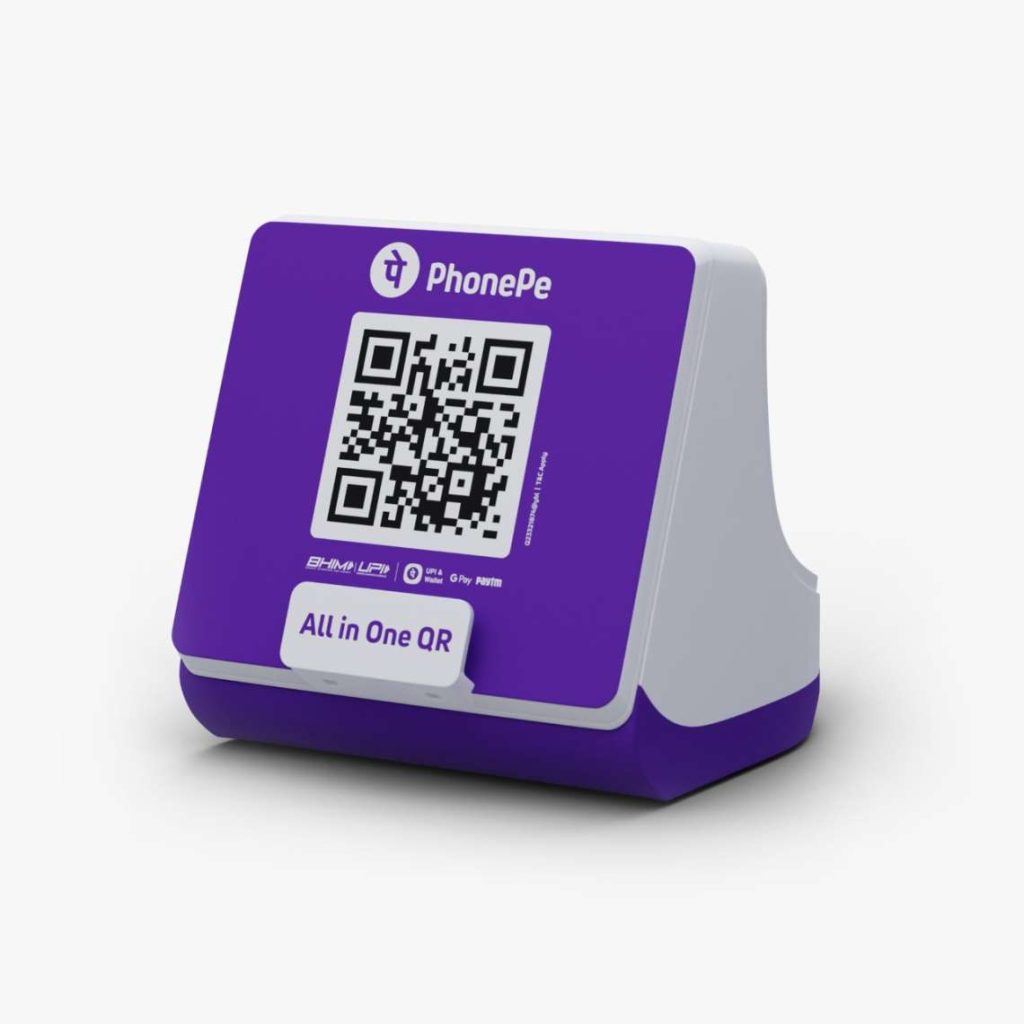
PhonePe already has a presence in the UAE through its partnership with NPCI International Payments Limited. Indian travellers can use the platform to make cross-border payments by scanning local QR codes at participating terminals operated through providers including NEOPAY and Network International.
The new regulatory approval would take the company beyond facilitating payments for Indian visitors and towards establishing its own regulated presence in the UAE.
PhonePe has built a large domestic user base since its launch in 2016. The company had more than 720 million registered users and a merchant acceptance network of more than 50 million in India as of August 2026.
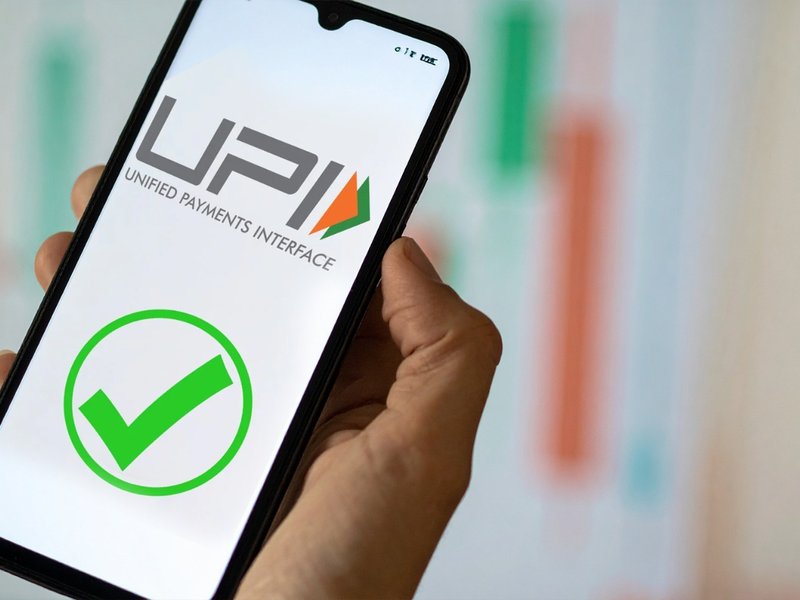
Its UAE plans come as India’s Unified Payments Interface, the technology underpinning much of the country’s digital payments boom, enters its second decade.
UPI becomes a global payments model
UPI is now recognised by the International Monetary Fund as the world’s largest retail fast-payment system by transaction volume. The IMF has described UPI as an interoperable platform that has helped drive the rapid adoption of digital payments in India.
Government data shows the scale of that expansion. Annual UPI transactions increased from 1.78 crore in FY2016-17 to more than 24,162 crore in FY2025-26. Transaction value rose from Rs 7,000 crore to around Rs 314 lakh crore over the same period.
UPI now operates across 11 countries, including the UAE, Singapore, France, Mauritius, Nepal, Bhutan, Qatar, Sri Lanka, Cambodia, Greece and Uzbekistan.
The international expansion allows Indian travellers and other users to make direct person-to-merchant payments from Indian bank accounts in participating markets, reducing reliance on cash and international cards.
The model has also attracted interest from other countries developing interoperable domestic payment systems, reinforcing India’s efforts to promote digital public infrastructure internationally.
Sustainability becomes the next challenge
The rapid expansion has also raised questions about how India’s digital payments infrastructure can be financed over the long term.
UPI transactions have traditionally been largely free for consumers, while banks and payment companies bear the costs of maintaining the network and supporting fraud prevention, cybersecurity and dispute resolution.
The government has now introduced a merchant discount rate on certain higher-value UPI transactions. From October 15, a 0.4 per cent MDR will apply to some UPI person-to-merchant transactions above Rs 2,000, while small merchants with monthly receipts below Rs 1 lakh will remain exempt, according to recent reporting.
The debate reflects a broader question facing digital payment networks as transaction volumes increase: how to maintain low-cost access while generating enough revenue to support investment in security, infrastructure and new services.
Other Asian payment systems already use different forms of merchant pricing. Indonesia has rate structures linked to factors including merchant category and transaction size, while Malaysia’s DuitNow system has charges that vary by bank or payment provider.
For India, the challenge is now extending UPI’s reach without losing the affordability and interoperability that helped make it successful.
PhonePe’s planned UAE entry illustrates the next phase of that journey. What began as a domestic Indian payment system has evolved into infrastructure that is increasingly being used across borders, while Indian fintech companies are seeking regulated positions in overseas markets.
The UAE approval therefore represents more than an expansion for one payments company. It is another step in India’s attempt to take its digital payments expertise into international financial ecosystems.