India’s renewed engagement with the Visegrad-4 could strengthen ties with Central and Eastern Europe as the regional grouping seeks a fresh role…reports Asian Lite News Desk
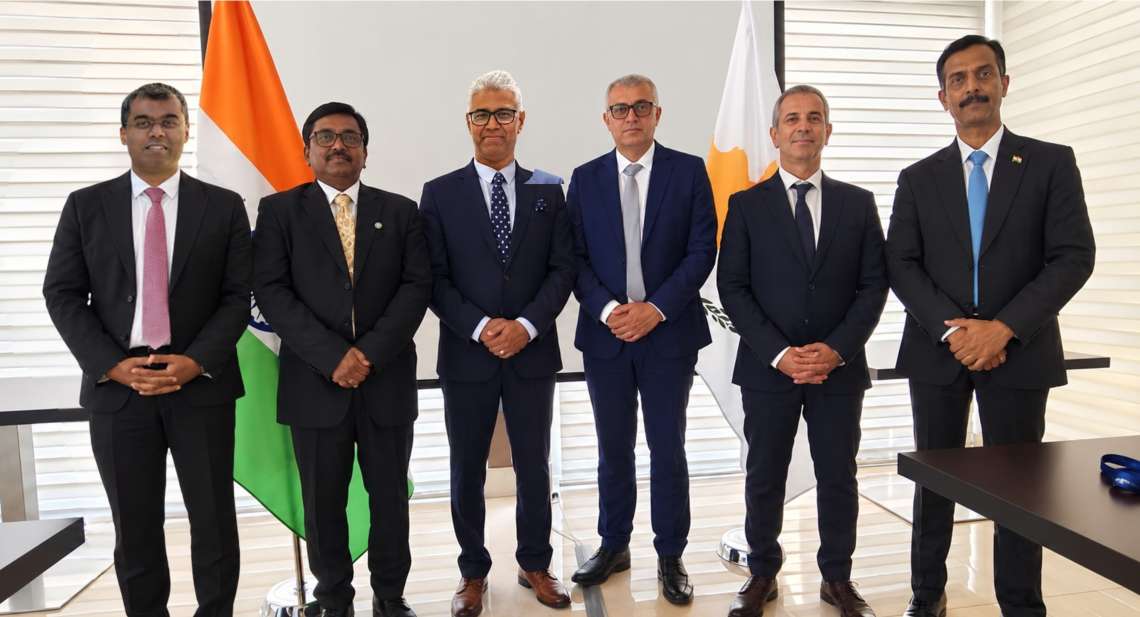
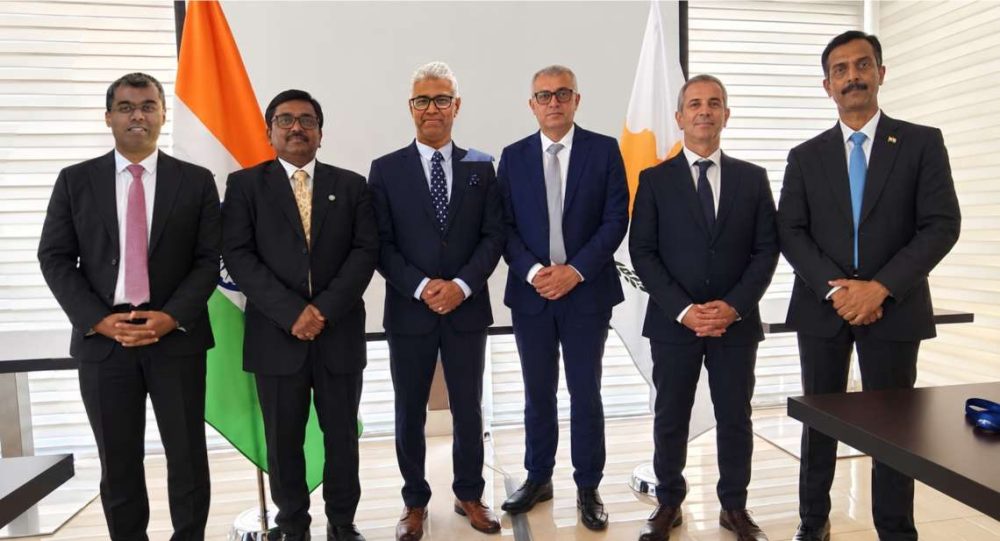
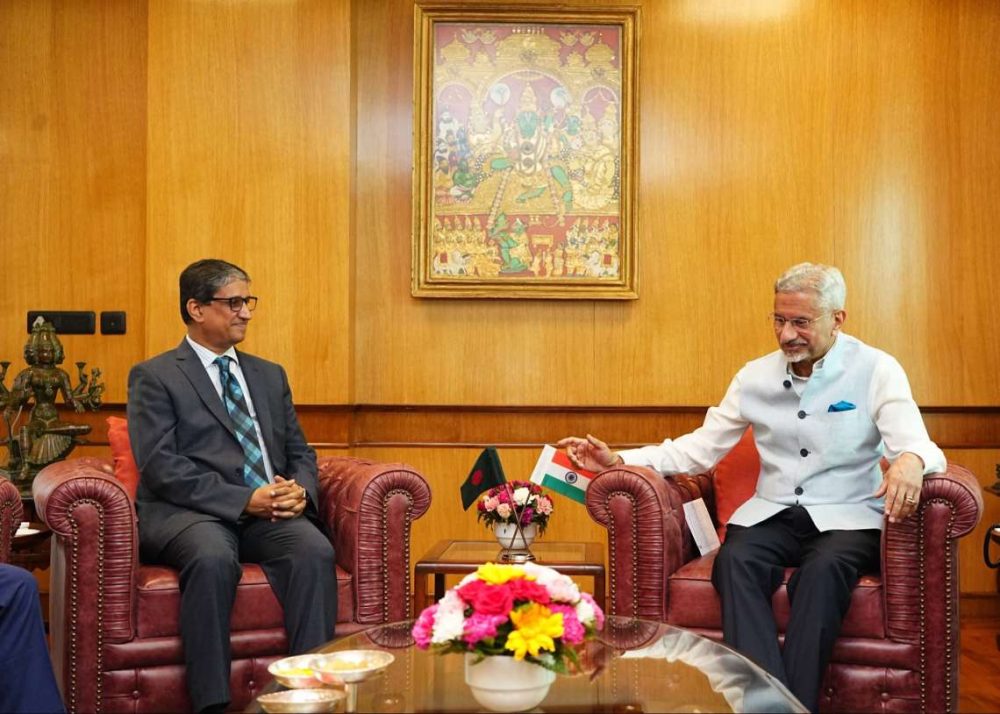
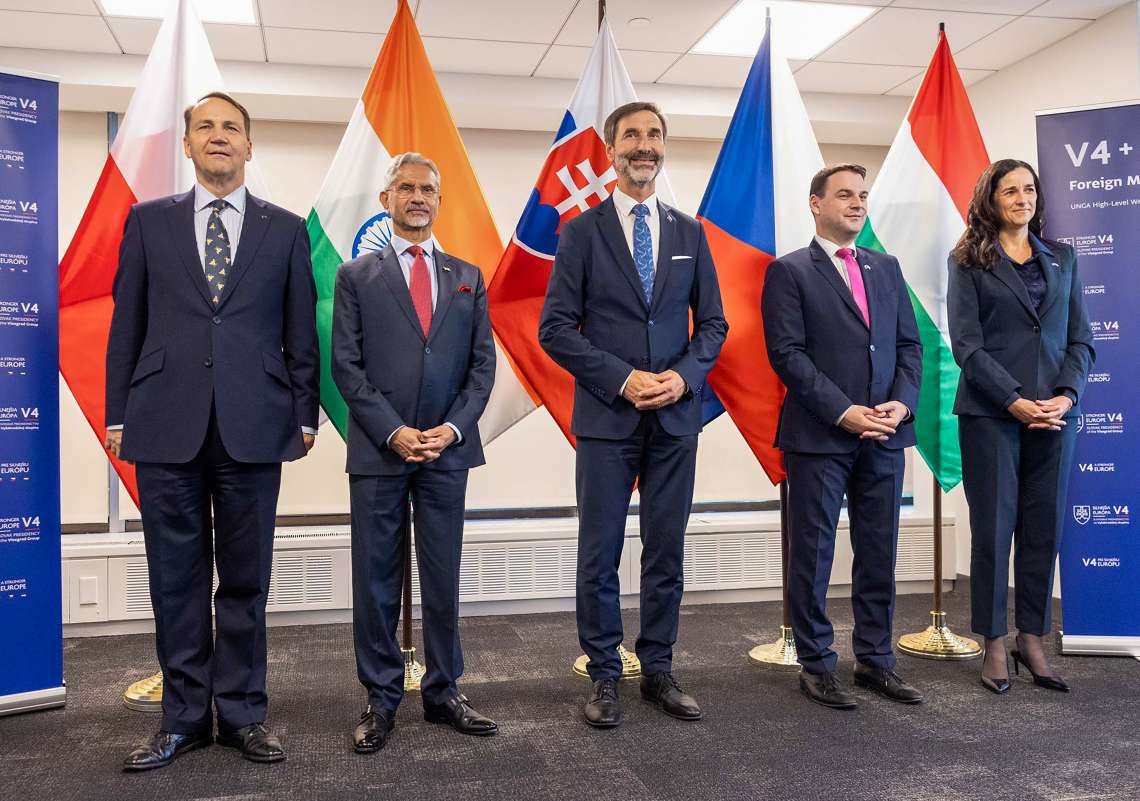
The meeting between External Affairs Minister S Jaishankar and the foreign ministers of Poland, Hungary, the Czech Republic and Slovakia on the sidelines of the 81st session of the United Nations General Assembly in New York on September 21 could mark a significant shift in India’s engagement with Central and Eastern Europe.
The four countries, known as the Visegrad-4 or V4, agreed to hold annual foreign minister-level meetings and establish an annual business forum to expand cooperation in technology, defence, space and connectivity.
Slovakia’s Foreign Minister Juraj Blanar said the four V4 countries support India’s bid for a permanent seat on the UN Security Council.
The agreement comes as the V4 seeks to revive its role as a regional grouping after years of internal differences, particularly over Russia’s war in Ukraine.
India’s relationship with the four countries predates the Visegrad grouping and goes back to the period before Indian independence.
During the Second World War, the Maharaja of Nawanagar sheltered hundreds of Polish children at Balachadi near Jamnagar. A larger Polish settlement later emerged at Valivade near Kolhapur, a chapter of history that Poland continues to remember.
India also developed cultural links with Central Europe. Rabindranath Tagore visited Hungary in 1926, while artist Amrita Sher-Gil was born to a Hungarian mother.
During the Cold War, when Poland, Hungary, Czechoslovakia and the then Czechoslovak Socialist Republic were part of the Soviet bloc, relations with India developed on practical lines.
Czechoslovak industries, Polish shipyards and aircraft factories supplied equipment to the Indian armed forces, including armoured vehicles, Iskra jet trainers and landing ships.
When Jaishankar referred in New York to India’s strong defence history with every V4 country, he was pointing to these longstanding ties.
The relationship changed after the fall of the Iron Curtain, as the four countries increasingly looked towards Western Europe for economic integration.
The Visegrad grouping was established in 1991 in Visegrad, Hungary, with the aim of helping the post-communist states return to Europe. The objective was largely achieved when all four countries joined NATO and later the European Union in 2004.
For years, the V4 operated as a pragmatic regional grouping within the EU and NATO. Its character changed after the 2015 migration crisis, when the four countries became prominent opponents of EU refugee quotas and what they viewed as excessive interference in domestic rule-of-law matters.
Hungary under Viktor Orban and Poland under the Law and Justice government became particularly associated with the grouping’s populist image.
Russia’s full-scale invasion of Ukraine in 2022 exposed growing differences within the V4. Poland viewed Russia as an existential security threat, while Hungary maintained closer relations with Moscow. The grouping consequently became increasingly difficult to operate as a unified political bloc.
The recent reset began this year after Peter Magyar’s election victory in April ended Orban’s 16-year tenure. In June, the four prime ministers met at Godollo and agreed to coordinate their positions in EU forums, including consultations ahead of European Council meetings.
The new V4, however, is not defined simply by ideology. Poland’s Prime Minister Donald Tusk and Magyar belong to the centre-right European People’s Party, while Czech Prime Minister Andrej Babis and Slovak Prime Minister Robert Fico represent more sovereigntist political positions.
Despite these differences, the four countries share an interest in protecting their national priorities within the wider EU framework.
India’s renewed engagement with the grouping also comes against the backdrop of its complex relationship with Russia and Europe.
New Delhi has traditionally managed its ties with Russia and European countries separately. Jaishankar visited Moscow on August 23 and 24, where he co-chaired the intergovernmental commission and met Russian President Vladimir Putin at the Kremlin.
Within days, he travelled to Warsaw and Kyiv, making his first standalone visit to Ukraine since Russia launched its full-scale invasion in February 2022.
The sequence was followed by Putin’s visit to New Delhi for the BRICS summit and Jaishankar’s meeting with the V4 foreign ministers in New York.
India’s relationship with Poland has also seen tensions over Russia and Ukraine. During Polish Foreign Minister Radoslaw Sikorski’s visit to New Delhi in January, Jaishankar criticised what he described as Poland’s role in supporting terrorist infrastructure in India’s neighbourhood and said singling out India over Ukraine was unfair and unjustified.
Eight months later, Poland joined the other V4 countries in supporting India’s Security Council bid, while preparations were underway for Tusk’s expected visit to India.
The development suggests a gradual separation of India-Poland ties from the India-Russia relationship, which has long complicated bilateral relations.
The V4 countries, however, do not have a common position on Russia. Poland and, to a lesser extent, the Czech Republic regard Moscow as a major security threat. Slovakia under Fico has positions closer to New Delhi’s, while Hungary’s approach under Magyar is still developing.
This diversity could work in India’s favour because New Delhi does not require the four countries to adopt a common position on Russia.
The proposed business forum could also create opportunities in defence manufacturing, technology, space, connectivity and investment. Central Europe could provide Indian businesses with an entry point into wider EU markets, while defence cooperation could draw on the region’s earlier industrial links with India.
Regular dialogue with four EU member states could also give India a stronger voice in a region that has often viewed New Delhi primarily through the lens of its relationship with Moscow.
There are risks, however. The V4 revival remains relatively recent, differences over Ukraine and other political issues remain, and the grouping could again struggle to maintain a common approach.
The New York meeting should therefore be viewed as an important first step towards creating a more structured mechanism for India’s engagement with Central and Eastern Europe.
If annual ministerial meetings become established and Tusk’s expected India visit goes ahead, the V4 track could become a durable element of India’s broader European strategy.
The writer is a doctoral researcher at the Centre for European Studies, School of International Studies, JNU. Views expressed are personal.