More than 32,000 suspected cases and over 250 deaths have been reported since mid-March, with children making up most of the fatalities….reports Asian Lite News Desk
Bangladesh’s measles outbreak has intensified, with more than 32,000 suspected cases and over 250 deaths, mostly among children, reported since mid-March, according to a report that has raised concerns over disruptions to vaccine procurement and routine immunisation.
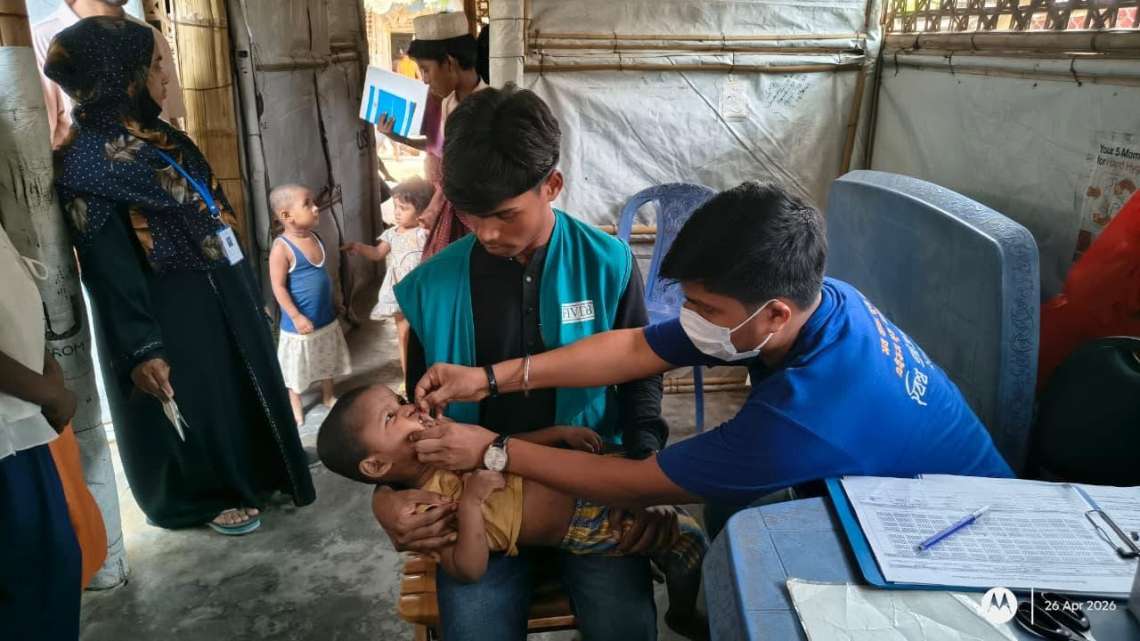
The outbreak, which began in January in Rohingya refugee camps near the Myanmar border, has since spread to 58 of Bangladesh’s 64 districts and resulted in more than 21,000 hospitalisations, according to the report by Bangladesh-based The Daily Star.
The publication attributed the worsening crisis in part to the interim government’s decision in September 2025 to stop procuring measles-rubella vaccines through UNICEF and shift to an open tender process.
The move reportedly led to delays in procurement despite warnings that it could disrupt routine immunisation and increase the risk of an outbreak. Bangladesh had relied on UNICEF for an extended period to supply measles-rubella vaccines, with funding mainly provided by Gavi alongside government contributions.
The Daily Star cited a report published by Science in highlighting the procurement concerns.
Government data indicated that only 59 per cent of eligible children received measles vaccines in 2025, before the figures were subsequently removed from official websites, according to the report. The tendering process was also delayed by bureaucratic hurdles, contributing to shortages and weakening routine immunisation.
ASM Alamgir, former principal scientist at the Institute of Epidemiology, Disease Control and Research (IEDCR), said failures in vitamin A distribution campaigns since 2024 had further weakened children’s immunity.
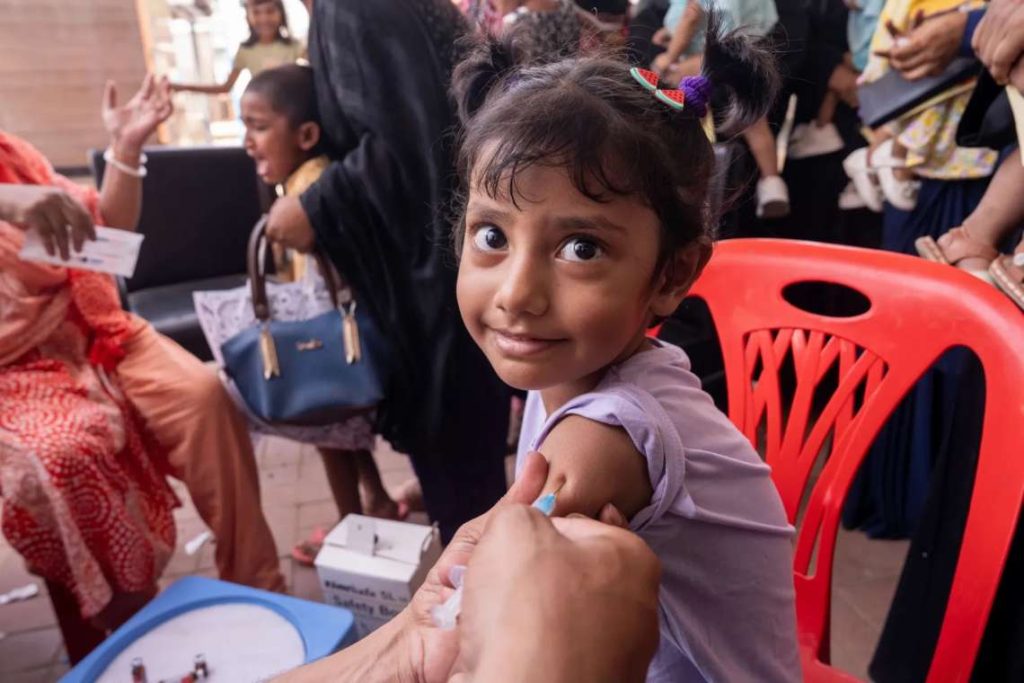
Bangladesh reinstated vaccine procurement through UNICEF in April and subsequently launched an emergency vaccination campaign. However, Be-nazir Ahmed, former director of disease control at the Directorate General of Health Services (DGHS), said the outbreak would not be brought under control quickly given the speed at which measles was spreading.
The vaccine procurement process has also come under scrutiny over allegations of corruption. Supreme Court lawyer Biplob Kumar Das has filed a complaint with the Anti-Corruption Commission over alleged corruption and vaccine procurement failures under the interim government, according to the report.
Bangladesh’s 2023 Coverage Evaluation Survey showed that first-dose measles-rubella vaccination coverage had fallen to 86 per cent in 2023 from 88.6 per cent in 2019. Second-dose coverage also declined to 80.7 per cent from 89 per cent over the same period.
Health experts have generally identified around 95 per cent vaccination coverage as the level needed to interrupt measles transmission. The reported coverage levels therefore remain below the threshold needed to prevent sustained transmission.
The latest outbreak has placed additional pressure on Bangladesh’s health system, particularly as children account for most of the reported deaths. The disruption to routine immunisation, combined with gaps in other child health programmes, has raised concerns over the country’s ability to contain the spread and restore vaccination coverage.