Saudi air defences intercepted a ballistic missile targeting Khamis Mushayt as drone and cruise missile threats mounted, with Riyadh airport remaining closed for safety inspections…reports Asian Lite News Desk
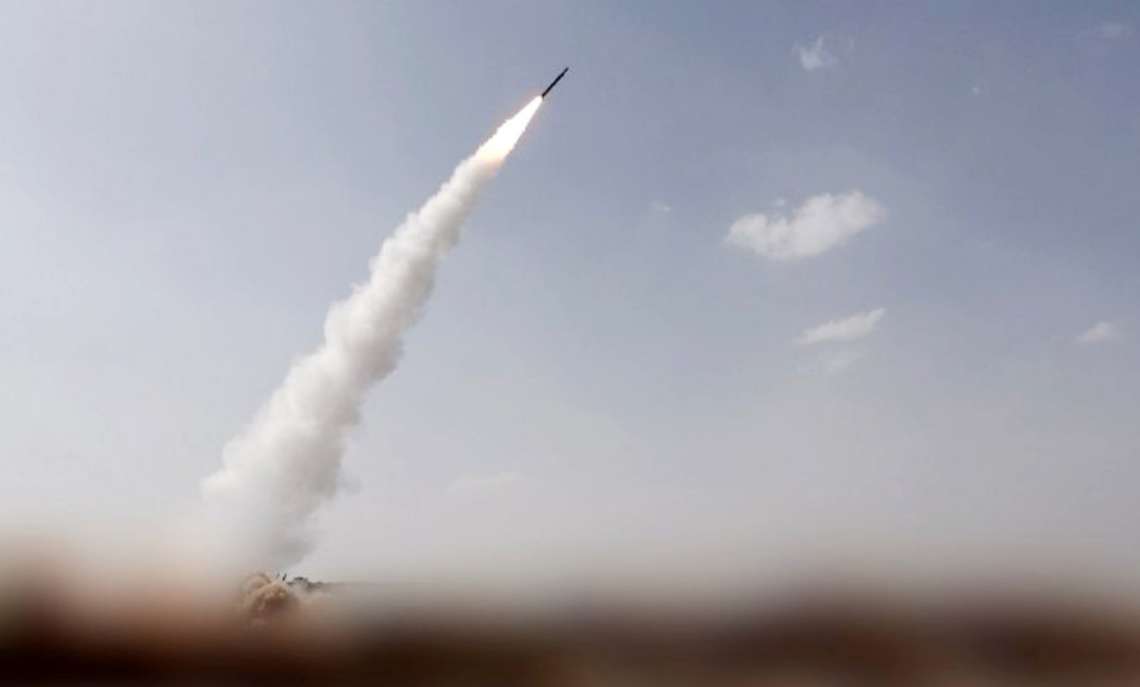
Saudi Arabia has intercepted a ballistic missile launched by Yemen’s Houthi movement towards the southwestern city of Khamis Mushayt, as authorities tracked further drone and cruise missile threats and extended the suspension of operations at Riyadh’s King Khalid International Airport following two deadly attacks.
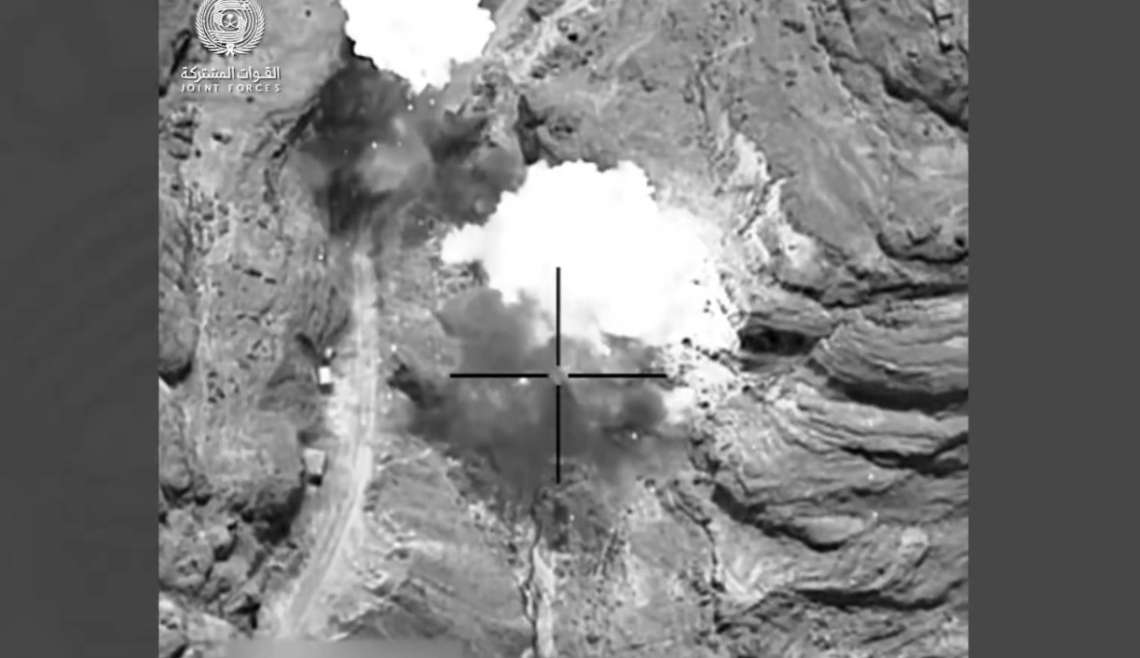
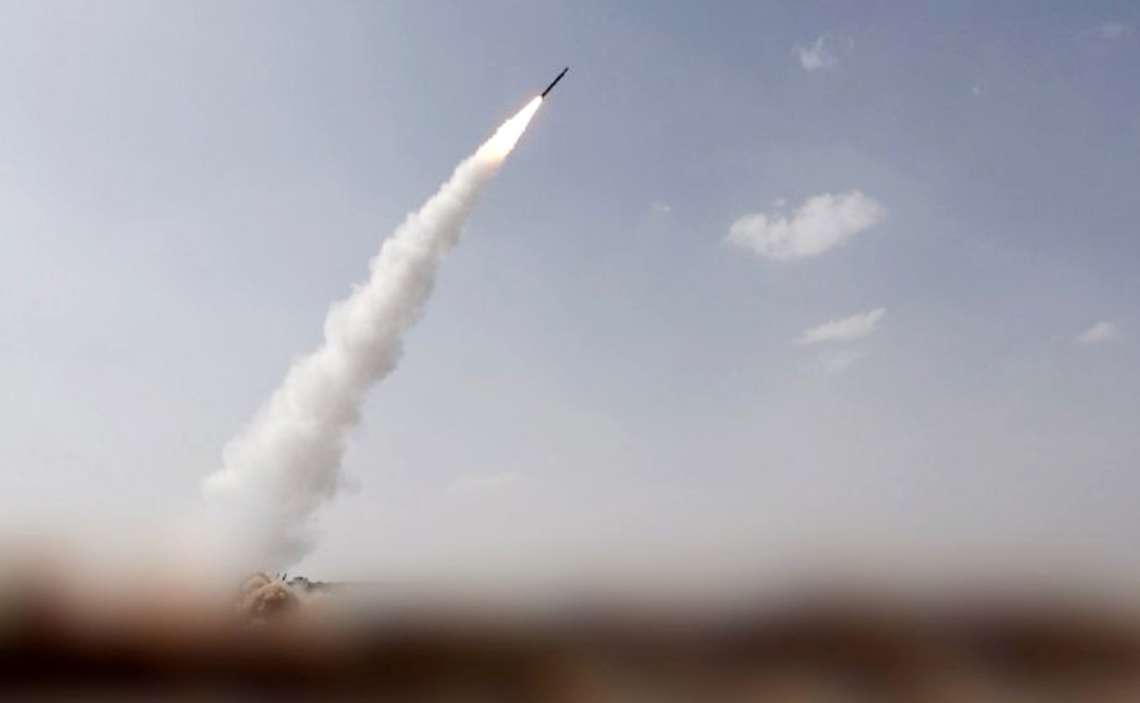
The Saudi-led coalition supporting Yemen’s internationally recognised government said early on Monday that air defences had destroyed the missile targeting Khamis Mushayt, which is home to a major military airbase.
Coalition spokesman Major General Turki Al-Maliki announced the interception, while the coalition said it was monitoring additional threats from drones and cruise missiles directed towards Saudi Arabia and working to counter them.
Saudi Arabia’s General Directorate of Civil Defense separately issued an alert warning of a potential attack on Abha, the capital of the southwestern Asir region, before later confirming that the danger had passed.
The developments came as security concerns intensified across the Kingdom following repeated attacks on its aviation infrastructure, including strikes on Riyadh’s main airport and a reported attack on King Fahd International Airport in Dammam.
Riyadh airport closure extended
Saudi Arabia’s General Authority of Civil Aviation (GACA) announced on Monday that the suspension of operations at King Khalid International Airport would continue to allow safety inspections and checks on the operational readiness of its facilities.
The authority did not announce a confirmed reopening time in its statement.
The airport was shut after a deadly attack on Saturday, October 10, which Saudi authorities said killed 12 people and injured 309. The reported death toll from that attack subsequently rose to 13 after an Indian national injured in the strike died on Sunday.
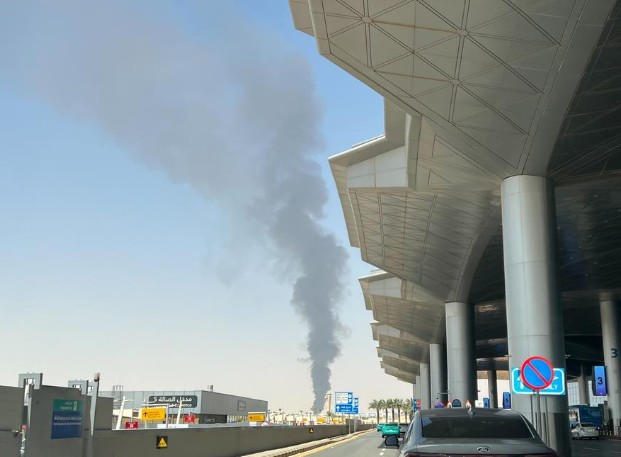
A second attack struck the airport on Sunday, when an unidentified projectile hit Terminal 4, triggering a fire. Saudi authorities said a Pakistani resident was killed and 11 other people were injured in that incident.
The injured were taken to hospital, while officials began assessing damage to the terminal and other airport facilities.
The Saudi-led coalition also reported intercepting and destroying a cruise missile near the airport.
Sunday’s strike was the latest in a series of attacks targeting Riyadh’s aviation facilities. Saudi and international media reports said the airport had been struck four times in five days, raising concerns over the safety of passengers, airline staff and airport workers.
The closure has disrupted air travel, with airlines cancelling services and passengers advised to check directly with carriers before travelling to the airport.
Houthis claim attacks on Saudi airports and Aramco facilities
Yemen’s Houthi movement claimed responsibility for Saturday’s attack on Riyadh airport and said it had also targeted King Fahd International Airport in Dammam, in Saudi Arabia’s Eastern Province, along with two facilities belonging to state-owned oil giant Saudi Aramco.
Saudi aviation authorities confirmed that Dammam’s airport had been targeted on Sunday evening, with damage assessments and safety inspections under way.
The coalition also reported intercepting a drone in the Eastern Province, adding to concerns that the attacks could extend beyond the capital to other strategically important locations.
The Houthis have repeatedly targeted southwestern Saudi Arabia, including Khamis Mushayt, Abha, Jazan and Najran, areas close to the Yemeni border.
Saudi Arabia has supported Yemen’s internationally recognised government in its conflict with the Houthis since 2015. The latest attacks mark a serious escalation, with civilian aviation infrastructure now among the targets.
The Saudi-led coalition condemned Saturday’s airport strike and vowed a response. The Houthis, meanwhile, warned that Saudi airports could face further attacks, increasing concerns about the security of regional air travel.
The claims of responsibility and the full extent of damage at the targeted facilities have not been independently verified in every instance.
Airlines and travellers face mounting disruption
The extended closure of Riyadh airport has added to disruption across the Kingdom’s aviation network, affecting domestic and international travel.
Airlines have cancelled or suspended services as authorities assess the security situation. The European Union Aviation Safety Agency has also warned of risks to civil aviation from missile and drone activity, air defence operations and falling debris.
The disruption is particularly significant for expatriate communities, business travellers and religious pilgrims who rely on Saudi Arabia’s airports for international connections.
Passengers scheduled to travel through Riyadh have been advised to contact their airlines for the latest information on cancellations, rebooking and departure arrangements.
The attacks have also raised concerns about the vulnerability of energy infrastructure and shipping routes at a time when regional tensions are already placing pressure on global oil supplies.
Saudi Arabia and Iran discuss de-escalation
Alongside its security response, Saudi Arabia has continued diplomatic contacts aimed at containing the crisis.
Saudi Foreign Minister Prince Faisal bin Farhan discussed regional developments and efforts to reduce tensions with Iranian Foreign Minister Abbas Araghchi on Sunday, according to the Saudi Press Agency.
Araghchi said Tehran was prepared to help facilitate dialogue between Saudi Arabia and Yemen.
The diplomatic exchange came as Saudi Arabia received expressions of solidarity from Bahrain, the United Kingdom, Jordan and the European Union following the attacks on its airport infrastructure.