A massive Nepal landslide triggered Budhi Gandaki River floods, with a surge reaching 25 metres and energy equivalent to a 3.5-magnitude earthquake….reports Asian Lite News Desk
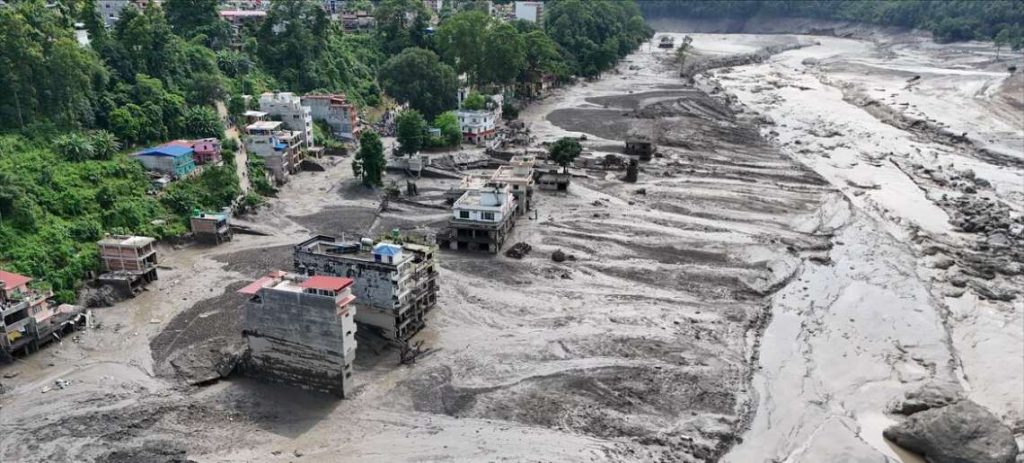
A massive landslide in Nepal’s Gorkha district that triggered destructive flooding along the Budhi Gandaki River on 11 October generated energy equivalent to a 3.5-magnitude earthquake, according to a preliminary assessment by the Department of Mines and Geology. The disaster left at least five people missing and destroyed hydropower infrastructure, roads and bridges, with the largest flood surge estimated to have reached 20 to 25 metres.
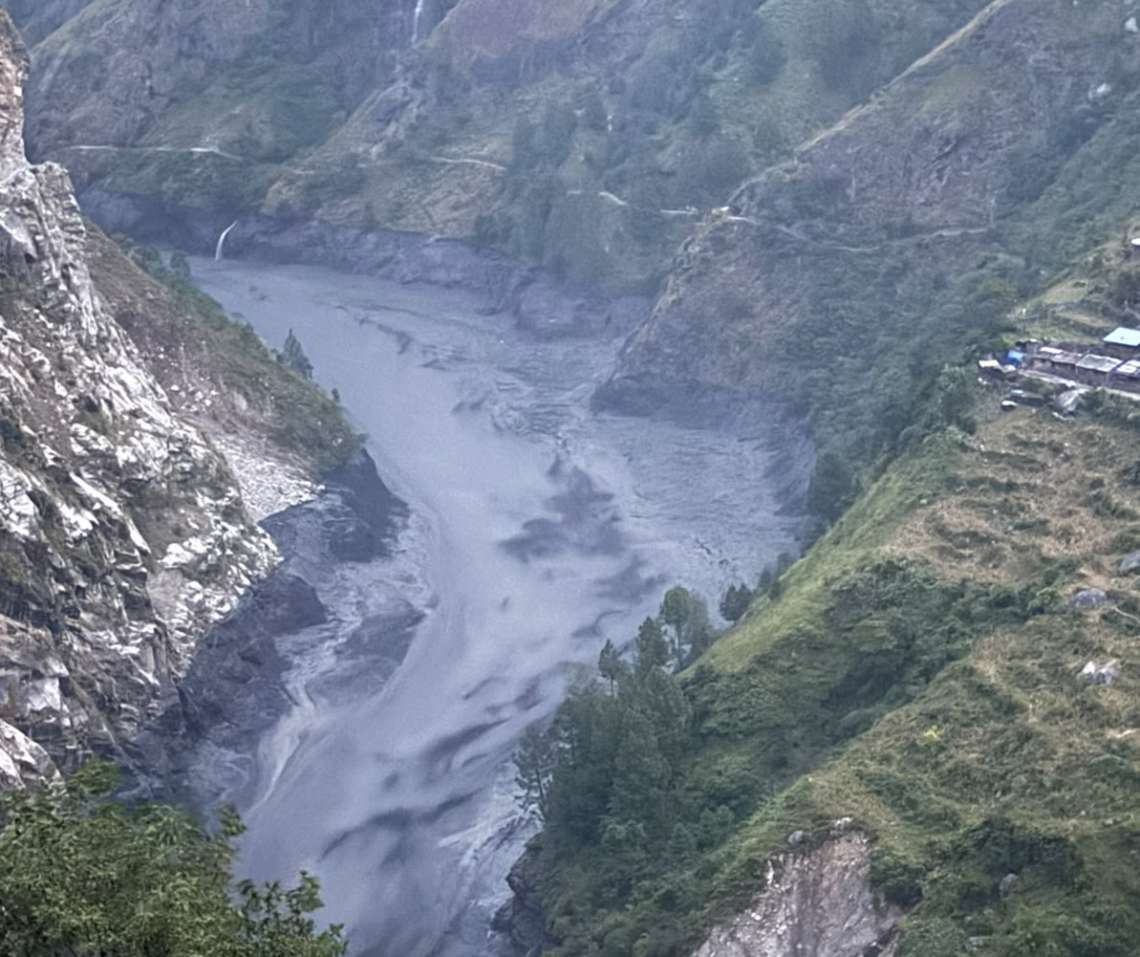
The landslide occurred in the upper reaches of the Ungdilung Khola, a tributary of the Budhi Gandaki River, where a large volume of snow, water and debris descended from the high Himalayas. The debris blocked river flows before water and material were released in successive surges downstream, according to the department’s technical report.
Nepal’s National Disaster Risk Reduction and Management Authority (NDRRMA), citing the assessment in a social media post, said the river experienced repeated flood surges within a single day following the incident.
How did the Nepal landslide trigger devastating floods?
The incident occurred at around 4.20am in the upper reaches of the Ungdilung Khola, between Chamar Himal and Syerangi Himal, in Chumnubri Rural Municipality near the Chinese border.
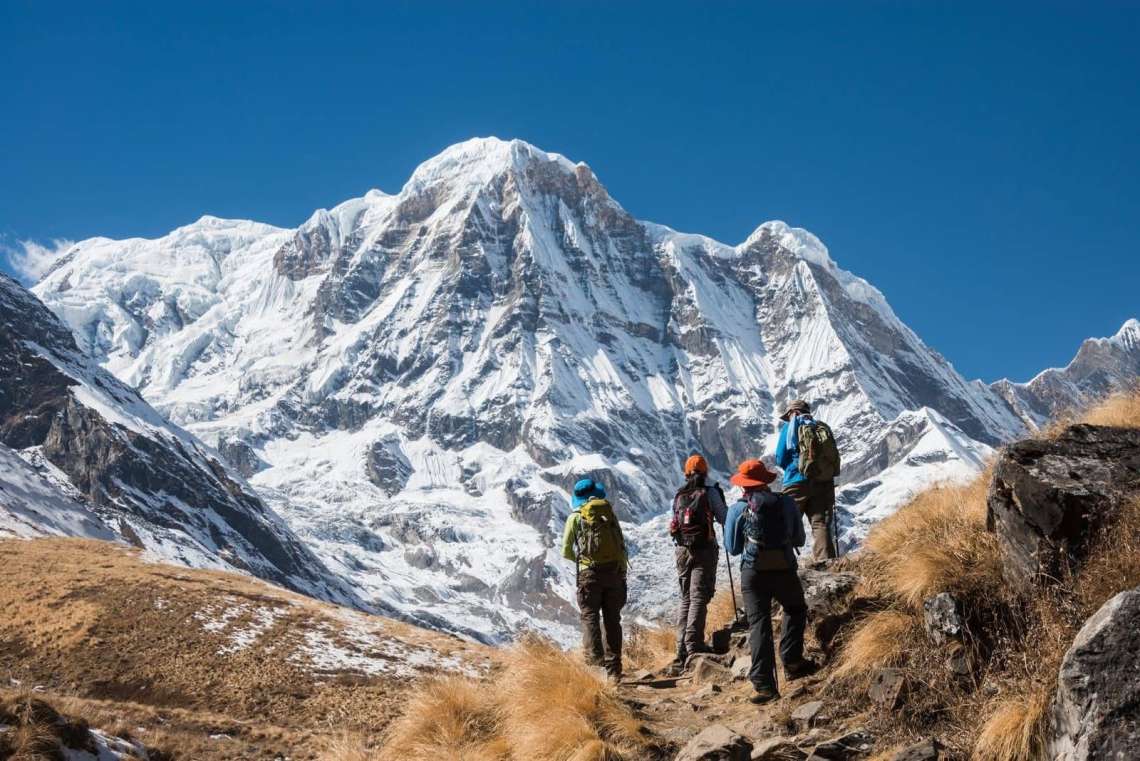
According to the preliminary report, an avalanche originated at an altitude of approximately 6,000 metres in the Tibetan Tethys Himalaya, an area characterised by relatively weak rock formations. A landslide subsequently occurred at around 5,500 metres.
Also Read: Bangladesh Child Trafficking Report Exposes Alleged Online Sales
The mass of snow, water and debris travelled southwards along the Ungdilung Khola before depositing a large volume of material at the narrow confluence of the Ungdilung Khola and the Syar Khola, another tributary of the Budhi Gandaki River, at an altitude of around 2,000 metres.
The accumulation of debris repeatedly obstructed and released the flow of the Syar Khola, potentially producing successive flood surges. A similar process may have occurred where the Syar Khola meets the Budhi Gandaki River, contributing to further flooding downstream.
However, the assessment suggested that the enormous volume of debris carried by the Ungdilung Khola played a greater role in generating the largest surge than water accumulated behind the blockage of the Syar Khola.

Flood surge reached up to 25 metres
The first mud-laden flood reached the Salleri area at around 4.30am, where a camp associated with the 341-megawatt Budhi Gandaki Hydroelectric Project was located.
The largest surge arrived at the camp at approximately 6.30am, reaching an estimated height of 20 to 25 metres before sweeping it away, the report said.
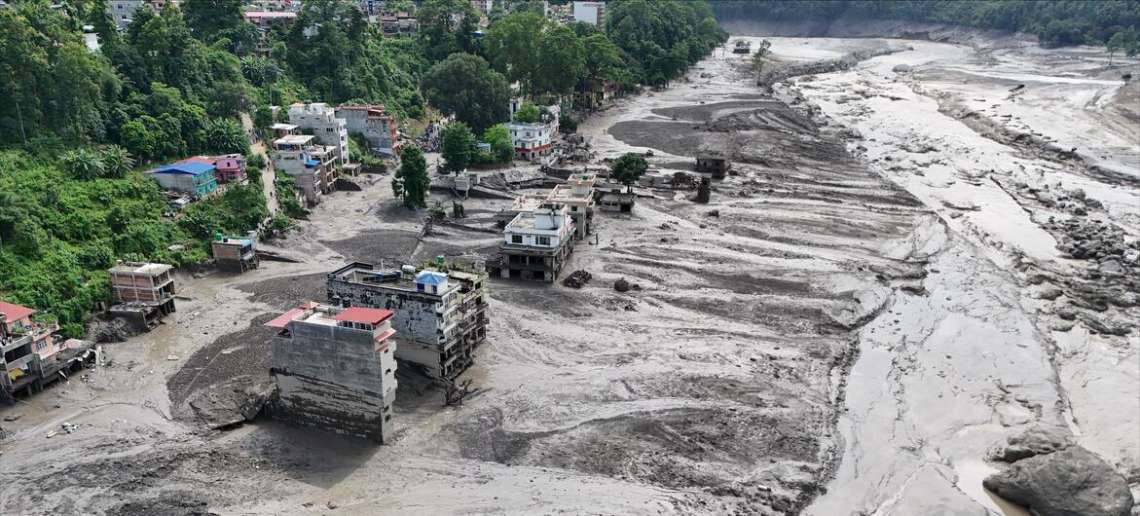
The powerful flood caused extensive damage further downstream, particularly in the Jagat area along the Budhi Gandaki River, where several buildings were affected. Permanent bridges over the Soti Khola and the Budhi Gandaki River were also damaged.
Field observations indicated that the flow of the Syar Khola had stopped about an hour before the largest flood surge arrived. Water had accumulated along a stretch of approximately 1.5 kilometres in the river’s upper reaches.
Smaller flood surges continued even after the largest surge had passed, according to the technical assessment.
The NDRRMA said at least five people were missing following the disaster, while several hydropower projects, roads and bridges were destroyed.
Nepal faces another major flooding disaster
The 11 October incident was Nepal’s second major flooding disaster in around six weeks, according to the disaster management authority.
On 26 August, devastating floods struck the Bhote Koshi and Trishuli rivers, causing widespread destruction to communities, homes, hydropower plants, roads and bridges along the affected river corridors.
The NDRRMA said that earlier disaster had killed nearly 1,500 people and left more than 5,000 missing.
The preliminary assessment of the Budhi Gandaki disaster provides an initial explanation of how a high-altitude avalanche and landslide, combined with repeated river blockages and releases, generated destructive flood surges downstream. Further investigation would be needed to establish the full sequence and impact of the event.