President suspends penalties targeting major buyers of Russian oil despite bipartisan pressure to enforce sanctions, while signalling he would welcome Vladimir Putin to the US-hosted G20 summit…reports Asian Lite News Desk
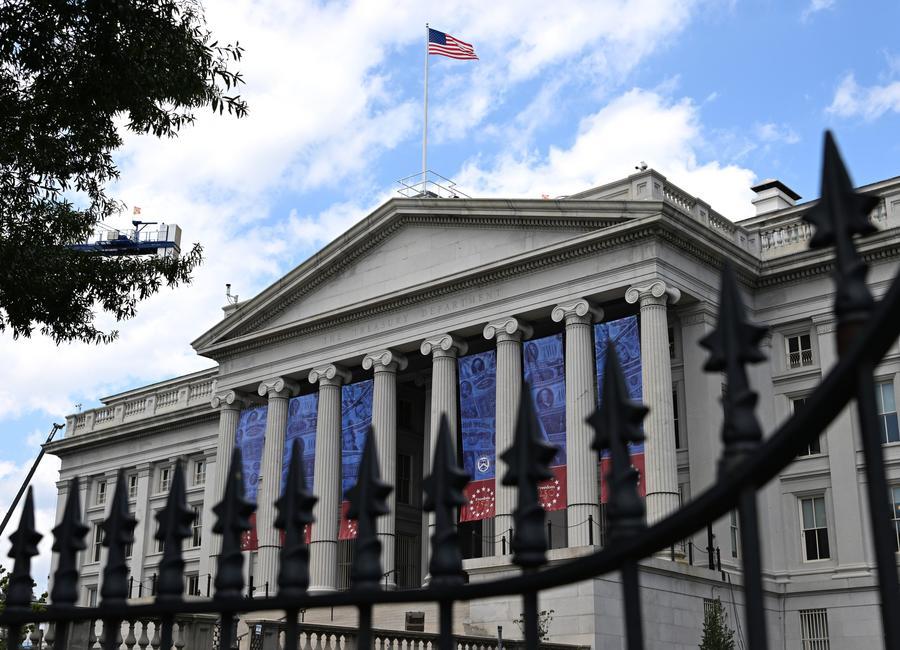
US President Donald Trump has suspended tariffs and several sanctions provisions targeting buyers of Russian oil, potentially sparing India and China from punitive trade measures just days before a deadline for their implementation, even as lawmakers push Washington to maintain economic pressure on Moscow over its war in Ukraine.
An executive order signed by Trump on Friday implements the Lindsey O. Graham Sanctioning Russia and Iran Act of 2026 but immediately waives the application of key penalties provided for under the legislation. The order was published by the White House late on Friday, a day before the October 18 deadline for imposing the measures.
The law, signed by Trump on September 18, required tariffs of up to 100 per cent on goods from the largest purchasers of Russian oil and gas within 30 days. The executive order raises duties on goods from the five largest importers of Russian-origin crude oil and natural gas by 100 per cent if they knowingly make new purchases on or after October 18.
It also provides for a 100 per cent increase in duties on goods from the five leading facilitators of Russian oil sanctions evasion, alongside a 500 per cent increase on goods from Russia itself.
However, Section 4 of the order suspends the application of those duties.
“I hereby waive the application of any duties provided for in sections 112 and 113 of the Graham Act or this order,” Trump wrote.
The order also waives most of the law’s sanctions on foreign individuals and entities, covering several provisions relating to restrictions on those facilitating Russian energy transactions. The waivers will remain in effect until the President or Secretary of State, consulting relevant officials where appropriate, determines that further action is necessary.
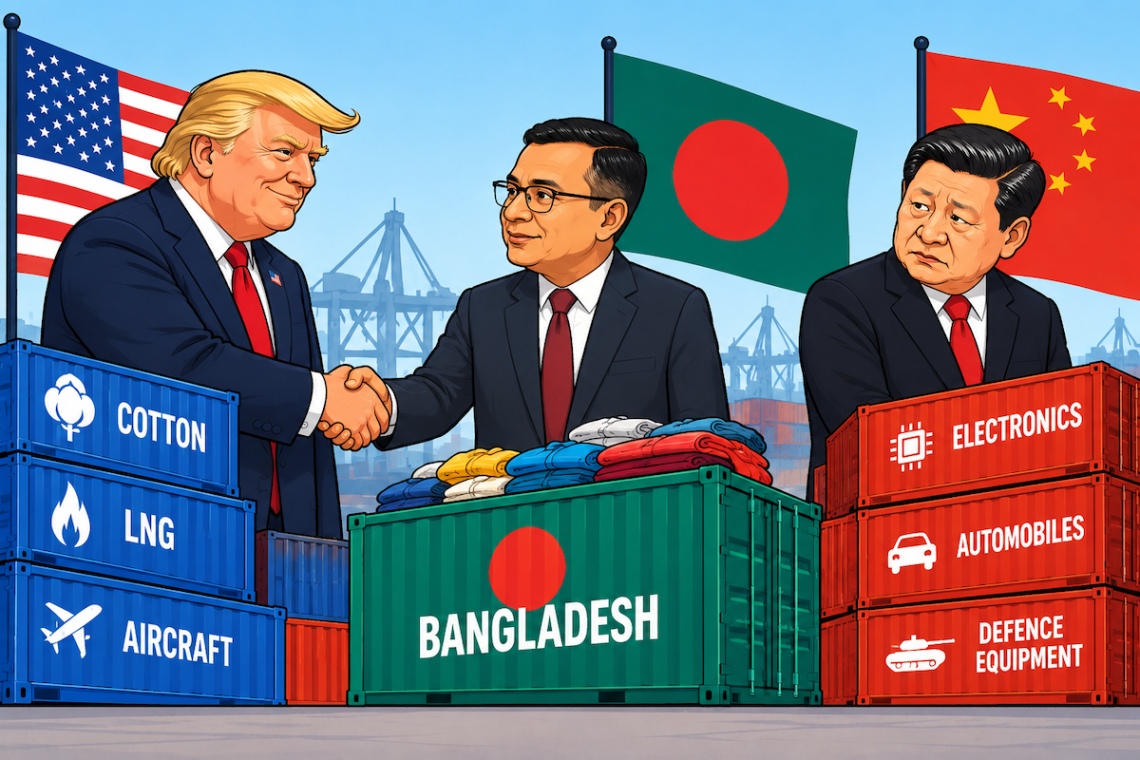
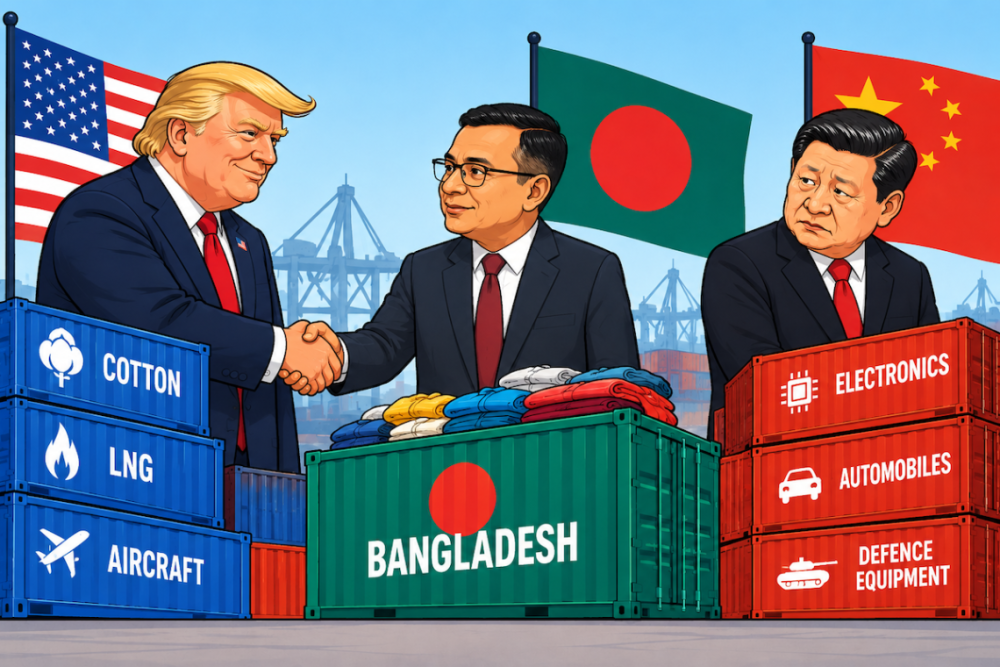
Neither India nor China is named in the order. However, both countries have been major purchasers of Russian crude, making the suspension significant for their trade relations with Washington.
Trump said he had submitted the written certification required by law to Congress, stating that the waiver was in the national interests of the United States, alongside a report explaining the reasons. Neither document had been made public in the supplied material.
The order does not remove existing US sanctions against Russia. It explicitly states that measures imposed under earlier executive orders addressing the national emergency concerning Russia remain unaffected.
The US Trade Representative, working with the secretaries of state, treasury and energy, must monitor countries’ purchases of Russian-origin oil and gas and report circumstances that might justify further presidential action. The representative must also identify the five leading facilitators of Russian oil sanctions evasion.
The order transfers significant powers under the legislation to senior administration officials, including the Secretary of State, who now holds the waiver authority.
India has particular reasons to watch the decision. In February, Washington removed an additional 25 per cent duty on Indian goods linked to New Delhi’s purchases of Russian oil, as part of a trade framework that reduced the reciprocal tariff on Indian goods from 25 per cent to 18 per cent. The two countries are also close to finalising the first tranche of a trade agreement.
The latest waiver could ease immediate concerns over additional trade penalties, although the administration retains the authority to reconsider its position.
Lawmakers’ push to maintain pressure
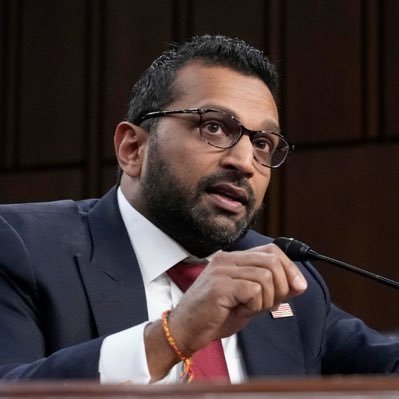
The decision comes despite bipartisan pressure for full implementation of the sanctions legislation. In a letter dated Thursday, Republican Congressman Michael McCaul and Democratic Congressman Jim Costa urged Trump to enforce the law by the October 18 deadline. They called for any waiver to be narrow, time-limited and linked to measurable reductions in support for Russia’s war.
The waivers in Friday’s order are open-ended, creating a contrast between the lawmakers’ demands and the administration’s approach.
Separately, Congressman Gregory Meeks, the ranking Democrat on the House Foreign Affairs Committee, introduced the Prohibit Corrupt Russia Oil Deals Act. The proposed legislation seeks to prohibit certain US government investments in Russian energy, invalidate relevant Treasury Department licences allowing Russian fuel transactions and prevent future authorisations of the same kind.
The bill has bipartisan support, including Republican Congressman Don Bacon and Democratic Representatives Ami Bera, Jim Costa, Steny Hoyer and Bill Keating. It has not been enacted and would require congressional approval.
The competing initiatives reflect divisions in Washington over how to balance diplomatic engagement, energy costs and efforts to restrict Russian revenue. While supporters of tougher sanctions argue that purchases of Russian oil help finance Moscow’s military campaign, the administration’s waiver preserves flexibility to adjust its trade policy.
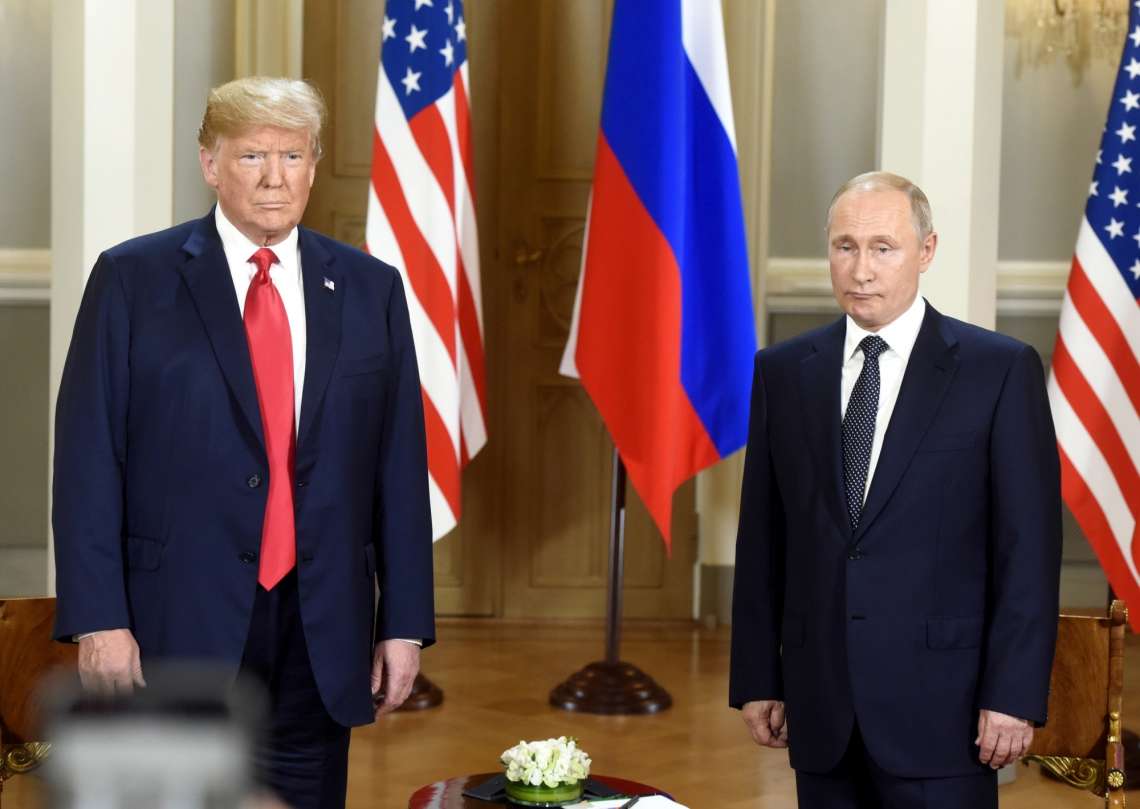
Trump has also signalled a willingness to engage directly with Russian President Vladimir Putin. Asked whether Putin would attend the US-hosted Group of 20 summit, Trump said Russia had asked to be represented and added: “I don’t know if he’s coming. Certainly would love to have him.”
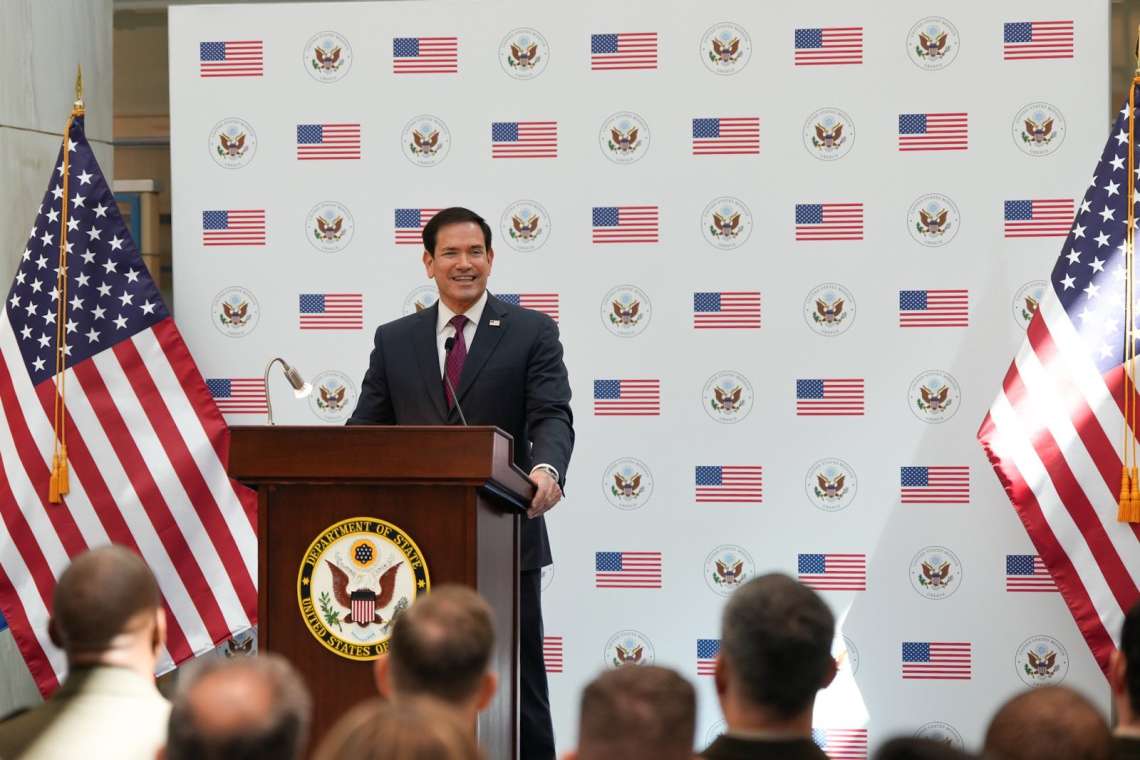
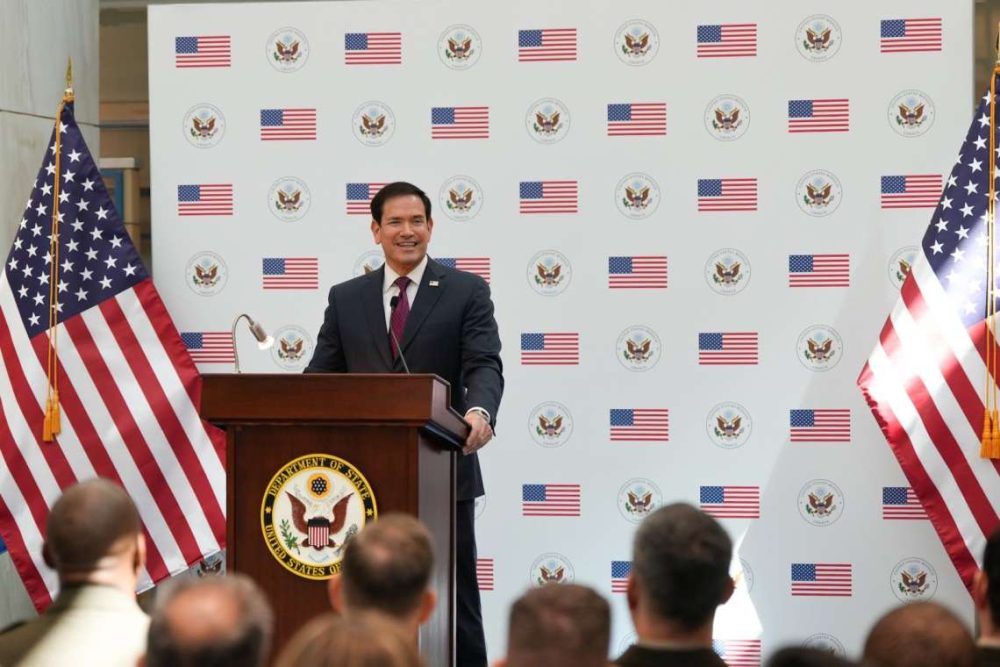
The United States holds the G20 presidency in 2026. Secretary of State Marco Rubio is scheduled to host the foreign ministers’ meeting in Atlanta on October 30 and 31, while Trump will host the leaders’ summit in Miami on December 14 and 15.
Rubio is scheduled to travel to Samarkand, Mumbai and Jamnagar from October 17 to 22. He is due to meet External Affairs Minister S. Jaishankar in Mumbai on October 20 and visit the Jamnagar refinery complex.
The timing places India’s energy interests and trade relationship with Washington alongside a wider debate over sanctions, as the administration keeps the option of further action against purchasers of Russian oil while suspending the immediate penalties.