China’s Belt and Road Initiative is under renewed scrutiny as concerns grow over the security implications of major projects…reports Asian Lite News Desk
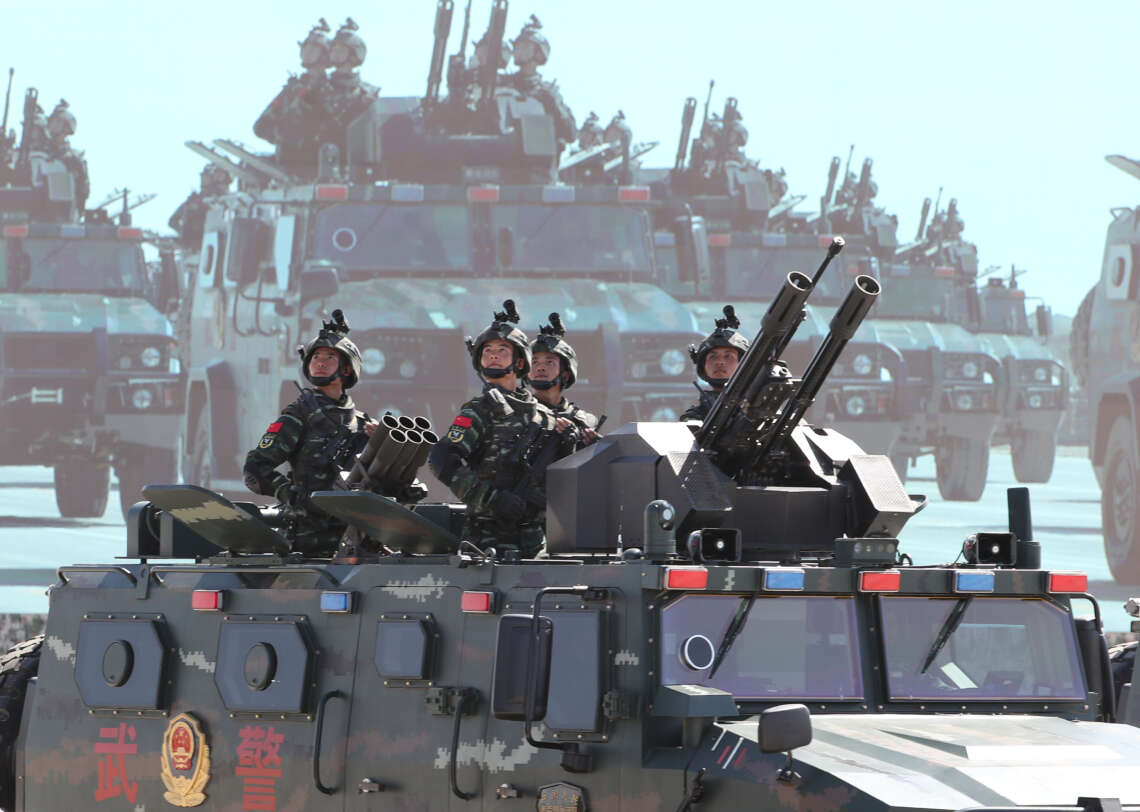
China is expanding its strategic influence across Southeast Asia through infrastructure projects, logistics networks and partnerships that could provide the foundations for a future military presence.
Rather than establishing conventional overseas military bases, Beijing appears to be developing a network of facilities with both civilian and potential military applications, the report said. These include ports, airfields, logistics hubs and training centres presented as commercial developments or cooperative initiatives.
Recent developments in Laos have raised questions about the extent of China’s military ambitions in mainland Southeast Asia. A China-Laos Joint Support and Training Centre at Ban Keun, which was inaugurated in September 2026, has prompted scrutiny over whether Beijing has secured its first fully fledged military foothold in the region.

According to the report, satellite imagery showed rapid construction at the facility, alongside military vehicles and Chinese-made aircraft. Ban Keun is also considered strategically significant because the location was used by American forces during the Vietnam War.
The report suggests that the development reflects a broader pattern in China’s regional engagement, in which infrastructure investment and economic cooperation may also serve strategic objectives.
For years, China has promoted its Belt and Road Initiative (BRI) as an economic programme designed to improve connectivity, develop infrastructure and stimulate growth. However, developments in Laos, Cambodia and Myanmar have prompted questions about whether the initiative is also strengthening Beijing’s geopolitical position.
The report argues that infrastructure projects financed by Chinese state-backed lenders can leave recipient countries with substantial debt obligations and greater dependence on China for investment, trade and development assistance. Such economic ties, it adds, could provide Beijing with political leverage and influence over strategic decisions.
Laos has become increasingly integrated into China’s economic network, with Chinese-backed hydropower projects playing a major role in the country’s electricity sector. Chinese companies also hold extensive mining concessions involving copper, gold and rare earth resources.
Agricultural production, including bananas, rubber and timber, is closely connected to Chinese markets. The China-Laos high-speed railway, built at a reported cost of approximately $6 billion, has further strengthened transport and economic links between the two countries.
While the railway was developed to improve connectivity and trade, the report argues that such infrastructure can also have wider strategic implications by facilitating the movement of goods and people across the region.
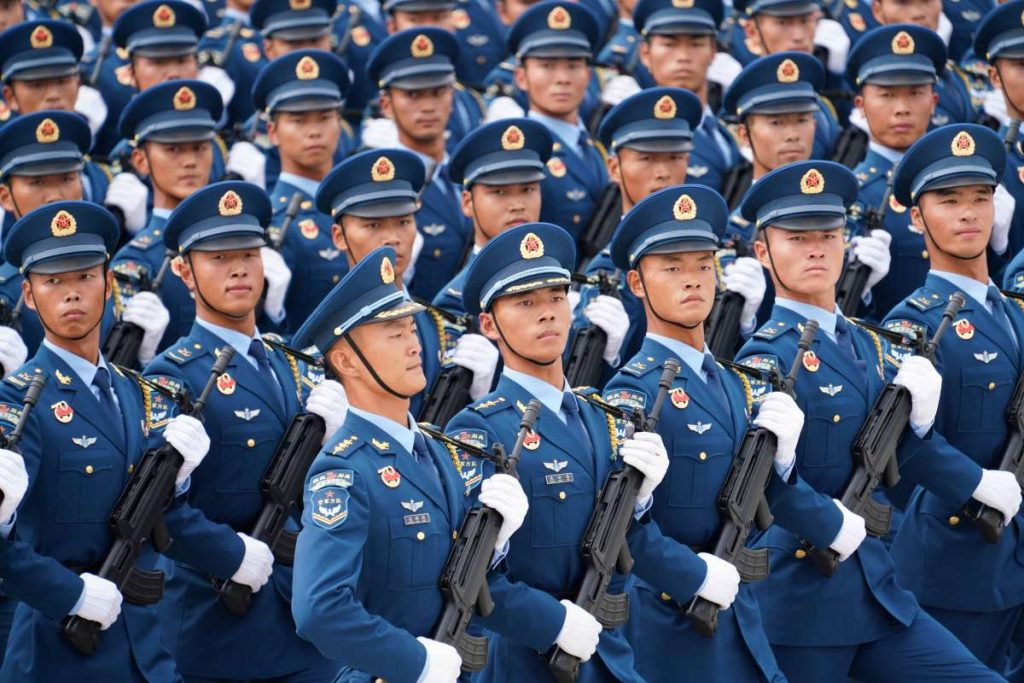
Cambodia and Myanmar in the regional picture
Cambodia has experienced a similar expansion of Chinese economic influence over the past decade. China has emerged as the country’s largest investor and a leading political and economic partner, with substantial financing directed towards roads, ports, industrial zones and energy projects.
The Ream Naval Base on Cambodia’s Gulf of Thailand coastline has become another focus of international concern over Beijing’s regional ambitions. Questions about the facility’s strategic role have added to broader scrutiny of China’s security relationships in Southeast Asia.
Myanmar has also featured in discussions about the expansion of Chinese influence. The report said Beijing’s position had strengthened following the 2021 military coup and the subsequent deterioration of relations between Myanmar and Western countries.
Taken together, developments across Laos, Cambodia and Myanmar point to the growing importance of infrastructure, investment and security cooperation in China’s regional strategy, according to the report.
However, the existence of Chinese-funded infrastructure does not by itself establish that a facility will be used for military purposes. The extent to which these projects could support a sustained military presence remains a matter of strategic assessment.
The report concludes that China’s expanding economic and infrastructure links across Southeast Asia warrant closer attention as regional governments balance development needs with concerns about sovereignty, security and their growing dependence on Beijing.