The Trump administration has stepped up pressure on Beijing, targeting Chinese travel, genomics companies and university centres….reports Asian Lite News Desk
The United States has stepped up pressure on China on three fronts, targeting visa-free travel for Chinese visitors to a US Pacific territory, blacklisting major Chinese genomics companies over alleged forced labour links and designating Chinese-funded university centres as national security threats.
The Trump administration announced the measures over the past week, citing concerns ranging from forced labour and espionage to intellectual property theft and risks to military installations.
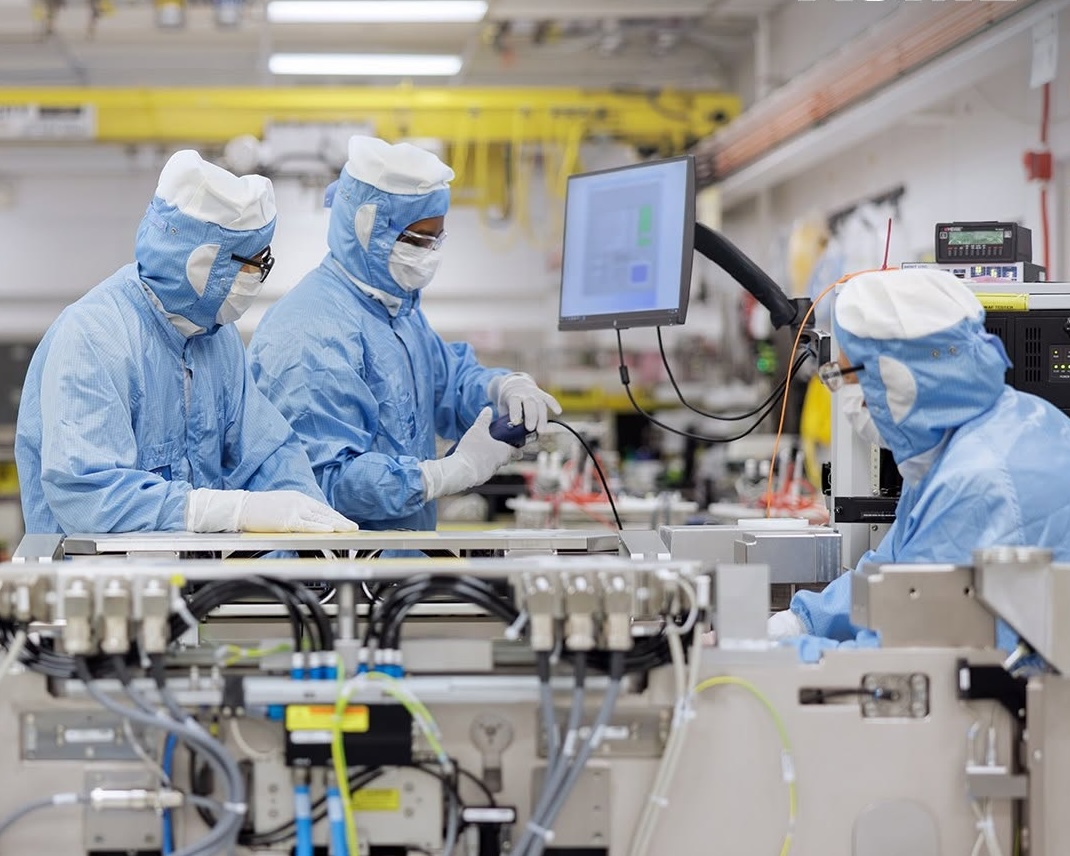
The US Department of Homeland Security (DHS) on Wednesday added three Chinese companies, BGI Genomics, MGI Tech and Shenzhen BGI Technology, also known as BGI Group, to the Entity List under the Uyghur Forced Labor Prevention Act (UFLPA).
Effective October 29, the listing means US Customs and Border Protection will apply a rebuttable presumption that goods produced by the companies are prohibited from entering the United States.
DHS said the government had “reasonable cause to believe, based on specific and articulable information, that BGI Genomics conducts genetic testing in the XUAR alongside the government of the XUAR and as a part of its government initiatives”.
The department further alleged that such testing was used to facilitate the recruitment, transport, transfer, harbouring or receiving of forced labour.
In a separate move, the DHS announced the suspension of a travel authorisation programme that allowed eligible Chinese nationals to visit the Commonwealth of the Northern Mariana Islands without obtaining a visa.
A notice published in the Federal Register on October 27 said the suspension of the Economic Vitality and Security Travel Authorization Program (EVS-TAP) would take effect at 2 p.m. EDT on October 30 and apply to existing authorisations as well.

The department said it believed Chinese nationals were exploiting the programme, citing concerns about espionage near military facilities on Tinian and Guam, smuggling to Guam and birth tourism.
More than 3,000 Chinese nationals used the programme in the 2025 fiscal year, according to the notice.
The third measure targets Chinese-funded cultural centres operating at American universities.
US Defence Secretary Pete Hegseth announced that the Pentagon had designated Confucius Institutes and similar university centres as national security threats, alleging that they were being used to promote Chinese propaganda, steal intellectual property and influence American students.
“It turns out that 80 new propaganda cells across 30 universities had popped up using different names and different charters, but with the same mission: to steal intellectual property and to infiltrate the minds of American students,” Hegseth said in a video.
He added that the Defence Department had systematically dismantled the organisations over the previous two months.
The Pentagon said on October 19 that research security audits conducted at 30 universities had resulted in more than 80 “termination-related actions”, Voice of America reported.
China rejected the allegations against Confucius Institutes. Foreign Ministry spokesperson Guo Jiakun said Beijing opposed what he described as “smears and stigmatisation targeting Confucius Institutes”, according to VOA.
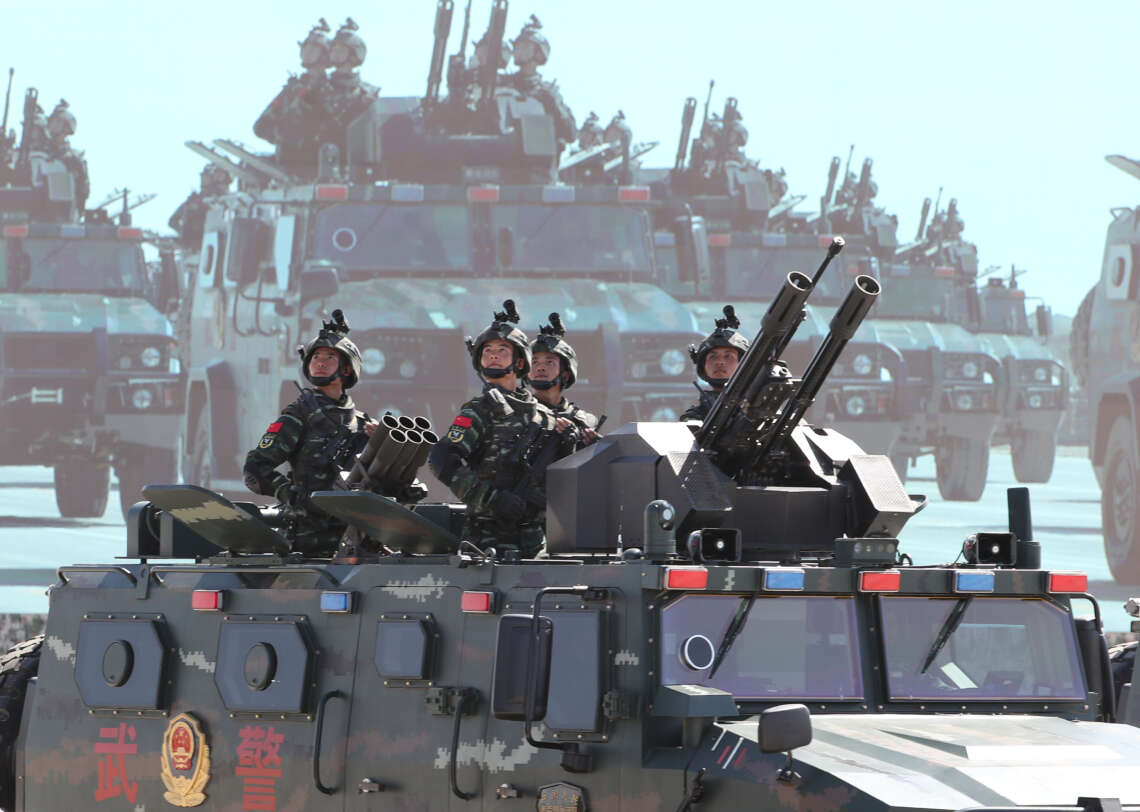
The latest measures come amid continuing tensions between Washington and Beijing over trade, technology, security and strategic competition.
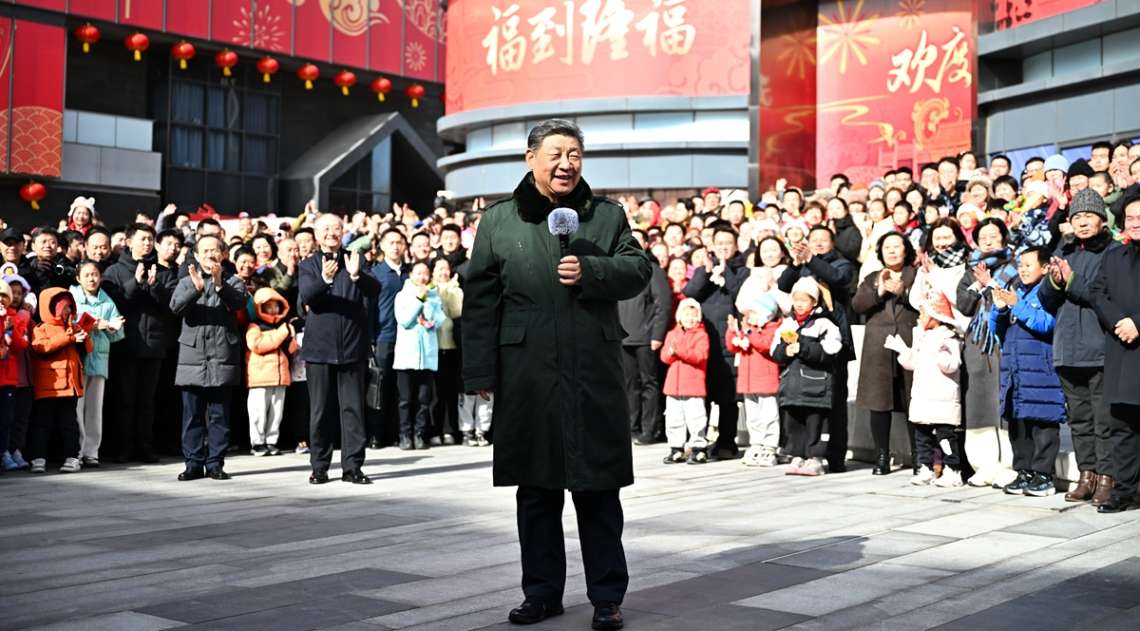
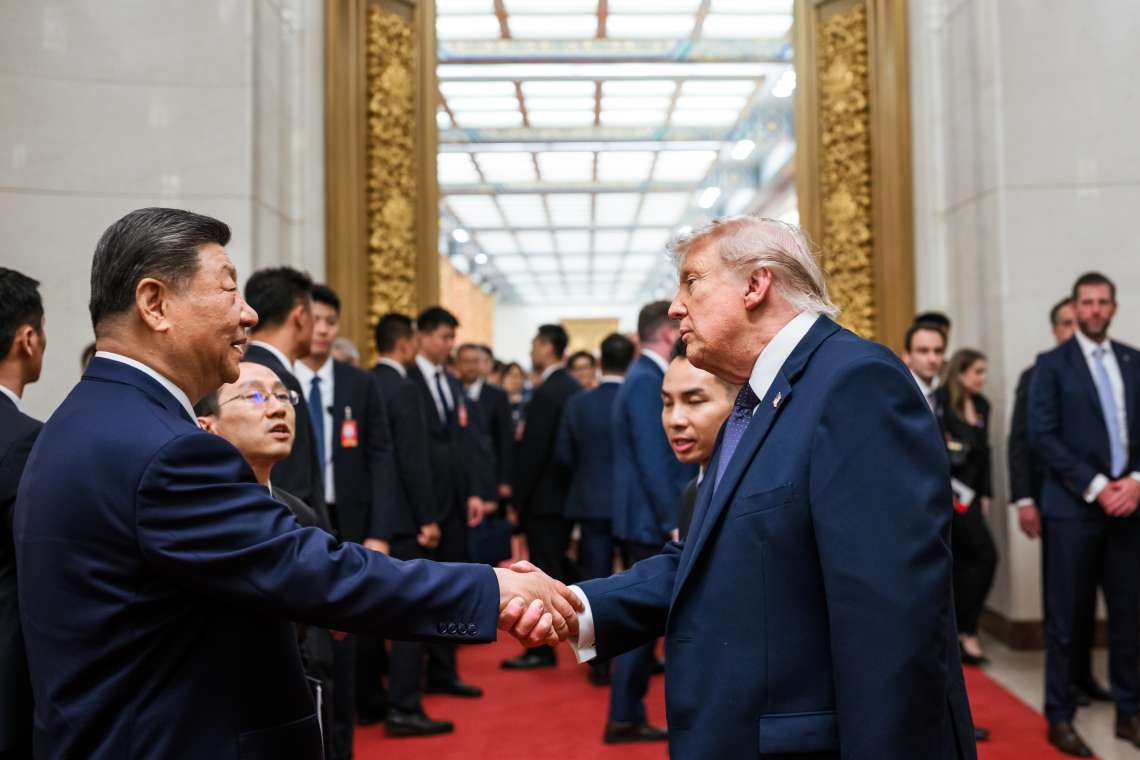
However, US President Donald Trump has also indicated that diplomatic engagement will continue, saying a meeting with Chinese President Xi Jinping on nuclear weapons had been scheduled.
The actions highlight the administration’s efforts to address what it considers security risks linked to Chinese entities and activities, even as the two countries maintain channels for high-level talks.