Bangladesh being a signatory to the BRI, its relationship with BRICS may turn out to be a piquant one if it becomes a BRICS member…writes Dr Sakariya Kareem
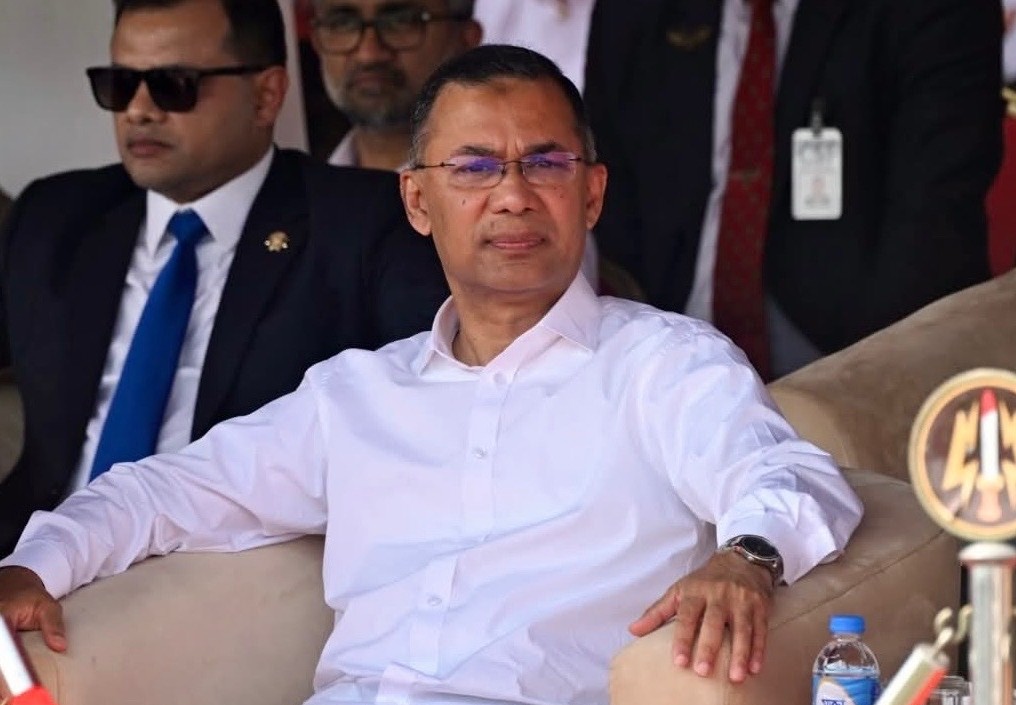
It remains a puzzle why Prime Minister of Bangladesh Tarique Rahman did not attend the BRICS Summit in New Delhi in September. That Dhaka had no representative at the summit has been described by critics as a lost opportunity for Bangladesh. Sections in the Bangladeshi media have noted that the invitation had been extended to him as the chairman of BIMSTEC; though under the circumstances there were few other options as Bangladesh is not a member of BRICS.
It is most unlikely, as suggested by some commentators, that Tarique Rahman did not attend the summit so that the United States was not annoyed at Bangladesh leaning towards an international grouping of nations dominated by China. Analysts have pointed out that BRICS does not pose any threat to US interests. The Americans would have had little reason to rue had the Bangladesh Prime Minister been there in Delhi.
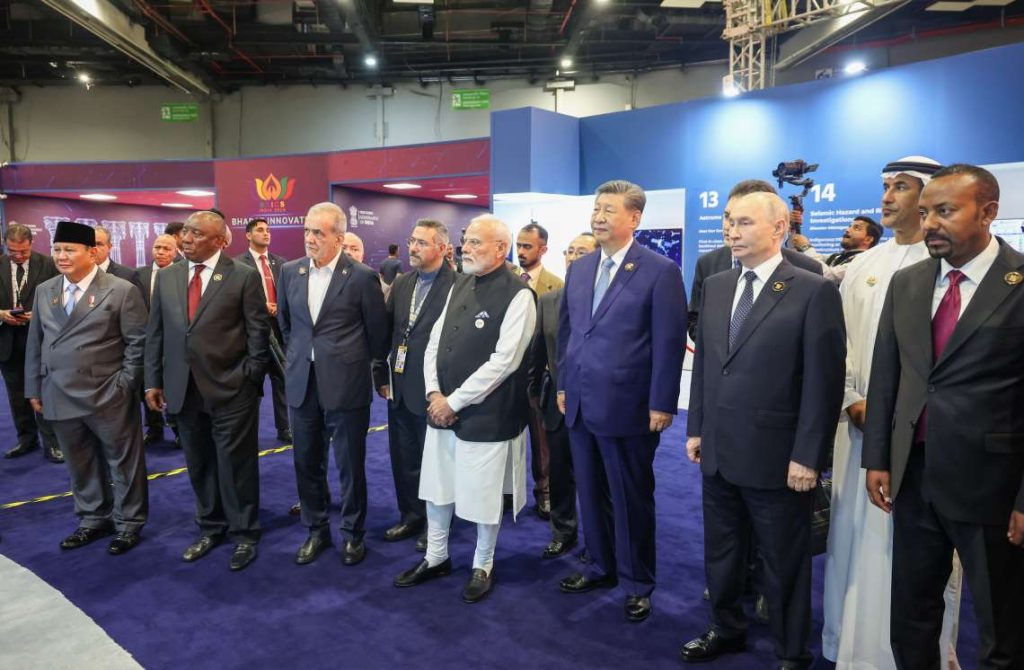
The bilateral differences that China has with some of the BRICS+ members stand in the way of BRICS to emerge as the leading forum of the Global South challenging the dominance of the US-led Western group of nations. Among the founding members, China has a dispute with India about the border issue. Indonesia as a full member and Vietnam as a partner have disputes with China over jurisdiction in the South China Sea.
A leading aim of BRICS is to promote financial transactions between the member countries in local currencies so that loan recipient countries do not face uncertainties of exchange rate fluctuations associated with dollar loans. But the New Development Bank, the banking arm of BRICS, has not posed much challenge to the established international financial system led by the US. Out of the total portfolio of investments of the New Development Bank of $35.6 billion by the end of 2025, $21.19 billion was in US dollars, $3.34 billion in Euro and $630 million in Swiss Francs; all hard currencies.
The weakness of the financial model of BRICS, apart from the failure to replace the dollar with local currencies in transactions between Global South countries, is also reflected in the absence of a credit rating agency under the BRICS umbrella to challenge the dominance of Western credit rating agencies.
The access to credit and investments of BRICS member countries which have large investment requirements depend on the rating they obtain from these agencies. The three Western rating agencies — S&P, Moody’s and Fitch — between them now hold 90 percent of the sovereign rating market. In the absence of a pan-BRICS rating agency, member countries depend on their own domestic agencies like Dagong in China and CRISIL in India. An independent credit rating agency could better reflect the economic fundamentals of emerging markets.
BRICS thus does not have enough weight to cause worry to the US if Bangladesh becomes its member. Even then, there may be other foreign policy constraints in the way of Dhaka opting for BRICS membership. Much of what Bangladesh imports as raw materials for its garment manufacturing industry come from China, while the main markets for the finished textile products are in the US and the European Union. Bangladesh should not appear to be too deeply involved in the strategic agenda of China by being a member of BRICS and sending the wrong political signals to the Western bloc.
Regrettably, China has been using the forum of BRICS to promote its own interests. Using its influence in the Shanghai – headquartered New Development Bank, Beijing has ensured that the country which benefits most from the efforts of BRICS to promote financing in local currency is China. Loans worth $7.67 billion have been disbursed by the bank in Chinese renminbi. By contrast, funding in Indian rupee has been only about $347 million. Nearly three-fourths of the financing by New Development Bank to projects in China were in renminbi.
China has been using, as a part of its ambition of establishing global authority and replacing the American supremacy, the forum of BRICS to replace the US dollar with the Chinese renminbi as the medium of international transactions.The New Development Bank is now beginning to provide loans in renminbi outside China. Nearly 11 percent of the financing of its projects in Brazil has been made in the Chinese currency. Iran being a member of BRICS+ countries, China now pays Iran for oil in renminbi.
Since 2023, Beijing has also been trying to position the renminbi as a viable alternative to the dollar for industrialization programmes among member states of its Belt and Road Initiative; with the hope of strengthening the Chinese currency in the global market and enhancing China’s credibility and financial stability.
Analysts have suggested that in Chinese strategic thinking BRICS and BRI are deeply connected. Speaking at the BRI Forum for International Cooperation in 2017, President of China Xi Jinping mentioned that China would cooperate with BRICS New Development Bank to support BRI and formulate guidelines to finance developmental projects. The feasibility of synergizing BRICS and BRI to reshape the global geopolitical and economic order and foster cooperation between emerging economies of the Global South is a live subject in China.
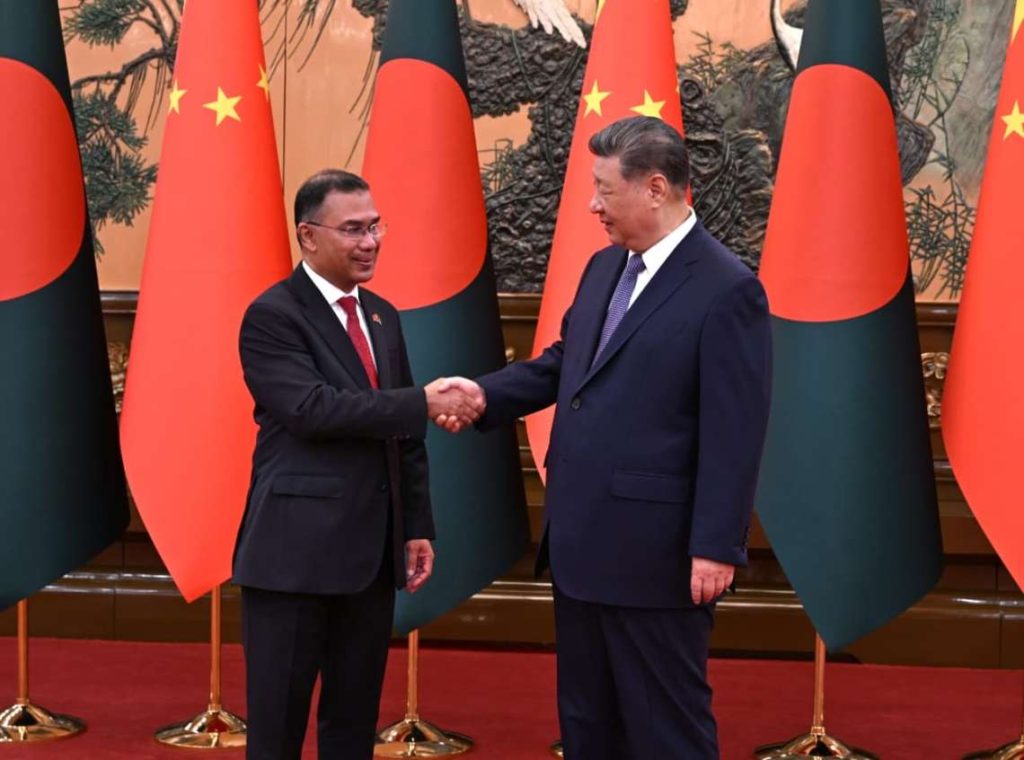
It may be Beijing’s ploy to extend the supremacy of China to the developing world by extending loans to infrastructure projects not directly through Chinese state-owned banks but through BRICS and its financial arm New Development Bank where China has a clear dominance. But this may not suit the interest of Dhaka which has experienced problems with BRI projects like high project costs, stiff terms of repayment, growing indebtedness and environmental hazards.The BRI is essentially a Chinese venture to gain control of strategic assets in the recipient countries of assistance does not gel with the agenda of BRICS of economic cooperation among the Global South nations for mutual benefit.
Bangladesh being a signatory to the BRI, its relationship with BRICS may turn out to be a piquant one if it becomes a BRICS member. Dhaka is a target market of China for BRI assistance in the infrastructure sector. As the leader of BRICS, it may not suit Chinese interests to extend financial and other assistance to Bangladesh under the BRICS forum in areas which are covered under the BRI.
China too is aware that developing countries around the world are becoming aware of the seamier sides of BRI loans, invoking suspicion and caution.To implement the BRI smoothly China needs an additional front that is less controversial and more acceptable to the international community.
Though not a member of BRICS, Bangladesh has been a member since 2021 of the New Development Bank. Dhaka is therefore already entitled to whatever benefit the bank can offer by way of finance for infrastructure and sustainable development projects for Emerging Markets and Developing Countries. By the end of 2025, financing to the tune of $450 million had been approved by the New Development Bank for Bangladesh.
If therefore Bangladesh Prime Minister Tarique Rahman has seen through the Chinese game-plan and Dhaka, in the best interest of Bangladesh, has refused to dance in tango with Beijing, there is no reason to blame anyone.