The IMF has praised the UAE’s economic resilience and strong banking sector, projecting faster growth in 2027 as activity recovers across oil, trade, aviation and tourism…reports Asian Lite News Desk
The UAE economy is showing resilience amid regional and global uncertainty, with growth expected to accelerate to 7.3 per cent in 2027, according to the International Monetary Fund (IMF).
In its assessment following the 2026 Article IV Mission to the country, the IMF highlighted the strength of the UAE’s financial system, substantial fiscal buffers and proactive government policies in helping the economy withstand regional disruptions.
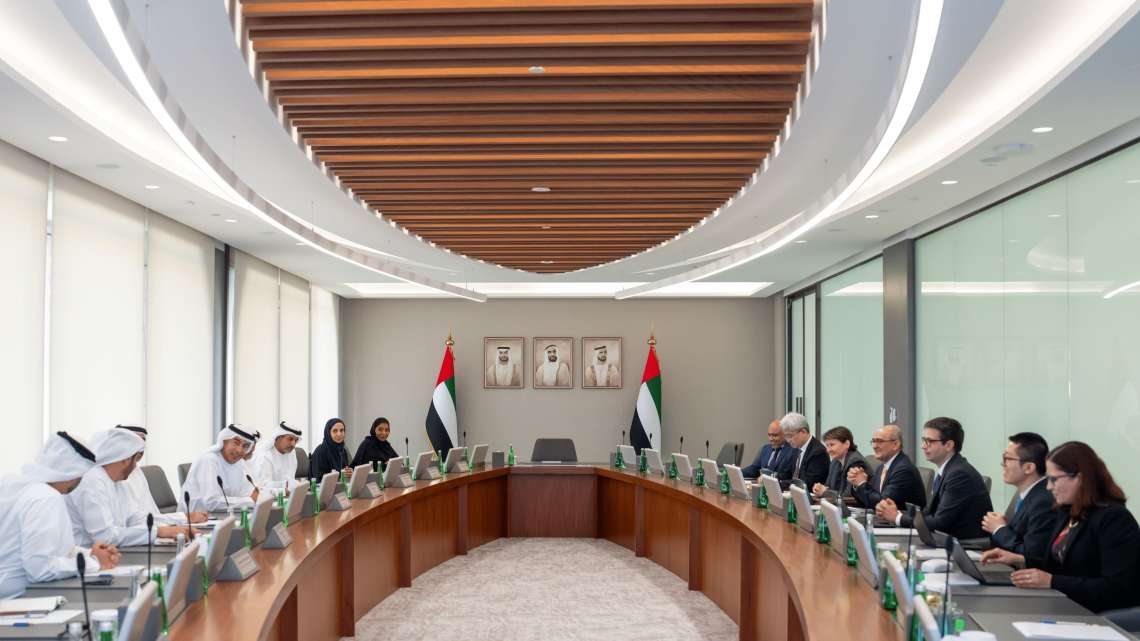
The mission, led by the Central Bank of the UAE (CBUAE), took place from 3 to 17 November, bringing together federal and local government entities and private-sector representatives to discuss economic developments, growth prospects and financial stability.
Said Bakhache, the IMF’s mission chief for the UAE, said economic activity had begun to regain momentum, particularly in the oil, trade, aviation and tourism sectors.
The Fund projects real gross domestic product growth to reach 7.3 per cent in 2027, supported by a 5.4 per cent expansion in the non-oil economy. Inflation is expected to moderate and stabilise at around 2 per cent over the medium term.
“The UAE economy has demonstrated resilience and strength in facing regional disruptions, supported by agile and targeted government policy responses, fiscal buffers, robust infrastructure, and a well-capitalised banking system,” Bakhache said.
He added that public finances and the country’s external position were expected to remain strong, with international reserves at ample levels.
Banking system remains strong
The IMF also highlighted the soundness of the UAE’s financial system, pointing to strong capital and liquidity buffers and continued improvements in asset quality.
Total banking assets exceeded AED5.815 trillion at the end of the third quarter of 2026, according to the CBUAE.
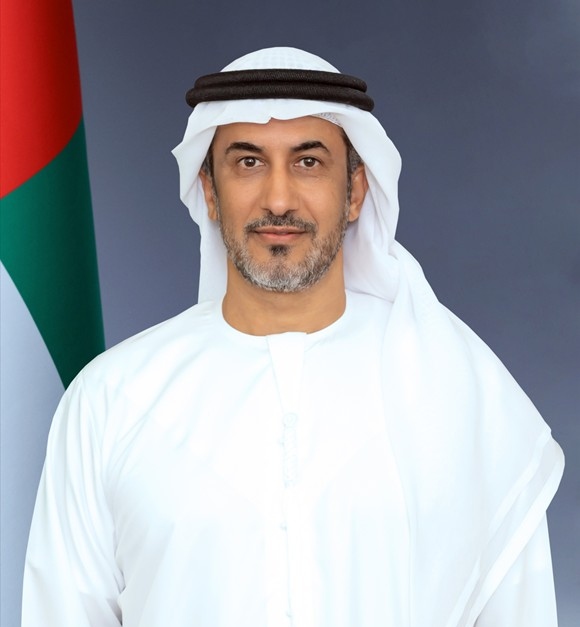
Khaled Mohamed Balama, Governor of the Central Bank and the UAE’s representative at the IMF, said the country’s financial sector continued to perform strongly, supported by growth in credit and deposits and improvements in asset quality.
He said the resilience of the economy reflected the effectiveness of policies designed to reinforce monetary and financial stability and strengthen the UAE’s position as an international economic and financial centre.
Balama added that the central bank would continue to develop monetary and supervisory policies, while strengthening financial infrastructure and aligning regulatory frameworks with international standards.
The IMF mission also welcomed the central bank’s proactive measures to reinforce the resilience of financial institutions and support economic growth.
Bakhache described the comprehensive support package introduced in 2026, alongside other government initiatives, as an appropriate response to disruptions affecting supply chains. He said the measures were underpinned by the UAE’s substantial fiscal buffers.
Trade and data improvements
The IMF also recognised the UAE’s efforts to diversify trade relationships through Comprehensive Economic Partnership Agreements (CEPAs) and the development of alternative trade corridors to strengthen supply-chain resilience.
The mission welcomed improvements in the quality of the country’s economic and financial data, including progress in compiling balance of payments and gross domestic product statistics, as well as government finance data.
The CBUAE coordinated the national response to the IMF mission, organising technical discussions with government departments and private-sector representatives on economic performance, policy effectiveness and regulatory developments.
The Article IV consultation forms part of the IMF’s regular assessment of member countries’ economic and financial policies. Its findings provide an assessment of current conditions and policy priorities, rather than a guarantee of future economic performance.