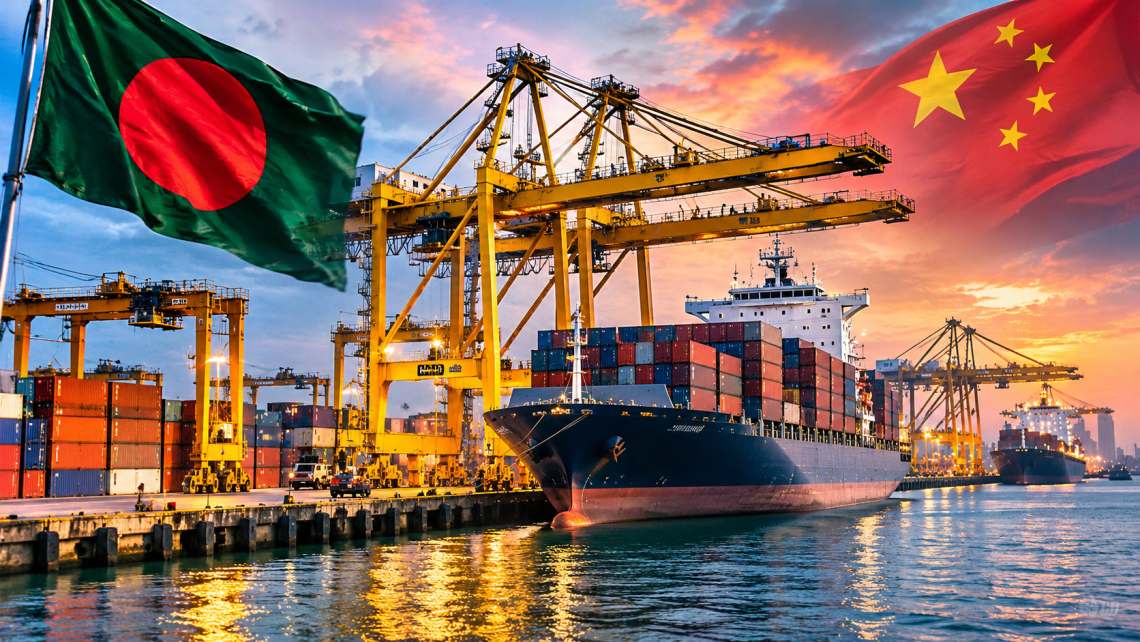
Dhaka’s port modernisation drive highlights its efforts to expand trade capacity and improve regional connectivity, while balancing Chinese investment with wider strategic and economic interests…writes Dr SaKariya Kareem
Bangladesh’s decision to diversify the financing and operation of its seaports is a lesson in contemporary infrastructure development. A country can welcome foreign capital without surrendering control over strategic assets. While China remains an important economic partner, Dhaka has not chosen it as the principal developer or operator of its major port projects. Instead, Bangladesh has turned to Japanese concessional finance for Matarbari and to Denmark’s APM Terminals for the Laldia Container Terminal in Chattogram. Bangladesh’s experience shows that port development is never merely an engineering project. It is also a question of who finances infrastructure, who operates it, who benefits from its revenues and who retains ultimate authority over a strategic maritime gateway.
Seaports are among the most consequential pieces of national infrastructure as they handle trade, generate employment, support industrial supply chains and can become focal points for naval and commercial activity. A port concession may appear to be a routine business arrangement, but a long term operating agreement can shape a country’s logistics network, security relationships and bargaining power for decades. Bangladesh’s geography makes this especially important. It sits beside the Bay of Bengal, through which much of South and Southeast Asia’s maritime trade passes. Its ports connect Bangladesh to global markets, but they also lie close to major sea lanes used by commercial shipping and naval forces. For Dhaka, therefore, modernising ports is essential. Doing so in a way that preserves national control is equally important.
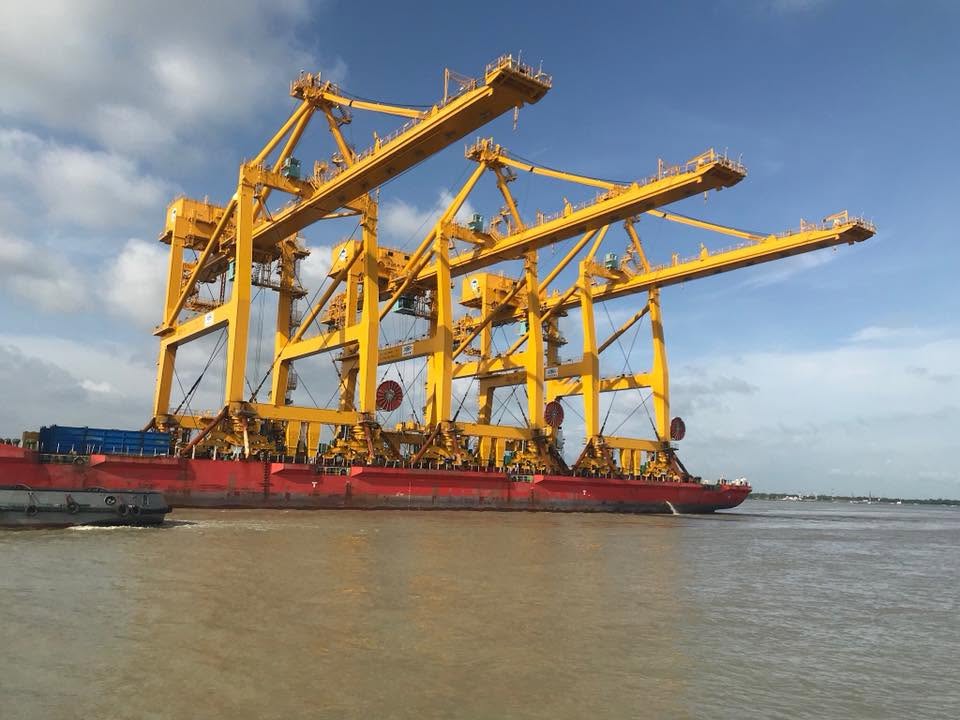
The Chittagong Port Authority has entered a concession with APM Terminals, a subsidiary of A.P. Moller Maersk, to design, finance, build and operate the terminal under a public private partnership. Crucially, ownership of the port remains with the Chittagong Port Authority. The private operator is responsible for construction, operations and management, not permanent ownership of the asset.The Laldia Container Terminal agreement is significant because it combines foreign expertise with Bangladeshi public ownership. APM Terminals is expected to bring more than USD 550 million in foreign direct investment for the greenfield terminal, while the Chittagong Port Authority retains ownership of the port.
The arrangement gives Bangladesh access to international terminal management experience without creating a situation in which a foreign state or state linked enterprise controls a critical national facility. The concession is initially for 30 years, with possible extension linked to performance indicators. This structure gives the government a clear contractual mechanism to assess whether the operator is delivering the promised efficiency, investment and service quality. Such performance based arrangements matter. Ports can become bottlenecks if equipment is outdated, customs procedures are slow or terminal operators fail to invest in capacity. By linking extensions to key performance indicators, Bangladesh has created an incentive for the operator to improve productivity rather than simply occupy a strategic asset for decades.
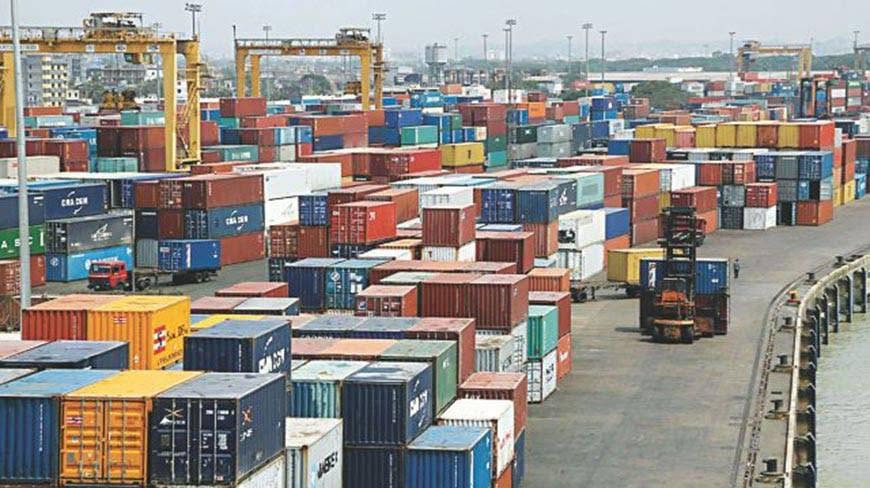
Bangladesh’s choice of Japanese financing for Matarbari reinforces the same principle. The Japan International Cooperation Agency has supported the Matarbari Port Development Project through official development assistance loans. The objective is to strengthen port logistics capacity and construct a deep sea port for containers and general cargo in Cox’s Bazar district. Unlike a commercial concession, Japanese ODA loans are development finance tied to a public project. They allow Bangladesh to build infrastructure while retaining public control over the port itself. The Matarbari project is designed to improve cargo handling and facilitate logistics with neighbouring countries, making it a potentially important addition to Bangladesh’s maritime capacity.
China has become one of the world’s most active financiers and builders of ports, railways, highways and energy projects. Its companies offer integrated packages of financing, construction and operation, often at a scale and speed that can be attractive to developing economies. Yet the very strengths of that model can create concerns when applied to strategic infrastructure. The Sri Lankan experience at Hambantota is often cited in this debate. Sri Lanka leased the port to China Merchants Port Holdings for 99 years after the facility struggled to generate sufficient revenue and the country faced severe external financing pressures.

By avoiding dependence on one country for port development, Dhaka preserves diplomatic flexibility. It can maintain strong ties with China while also deepening relationships with Japan, Denmark, other European partners and international financial institutions. This diversification reduces the chance that a disagreement with one partner can jeopardise the country’s entire maritime modernisation agenda. Bangladesh has not chosen China as the central developer of its seaports because it has concluded that port modernisation requires more than capital but also trust. It also requires competition among financing options, transparency in contracting, protection of public ownership and the ability to change course if a project does not serve national interests.