October 7, 2021
3 mins read

How Facebook outage wreaked havoc on the global ad empire

It is a reminder to advertisers to have proactive mitigation plans in place to avoid the scramble of trying to figure out what to do in the moment, writes Nishant Arora

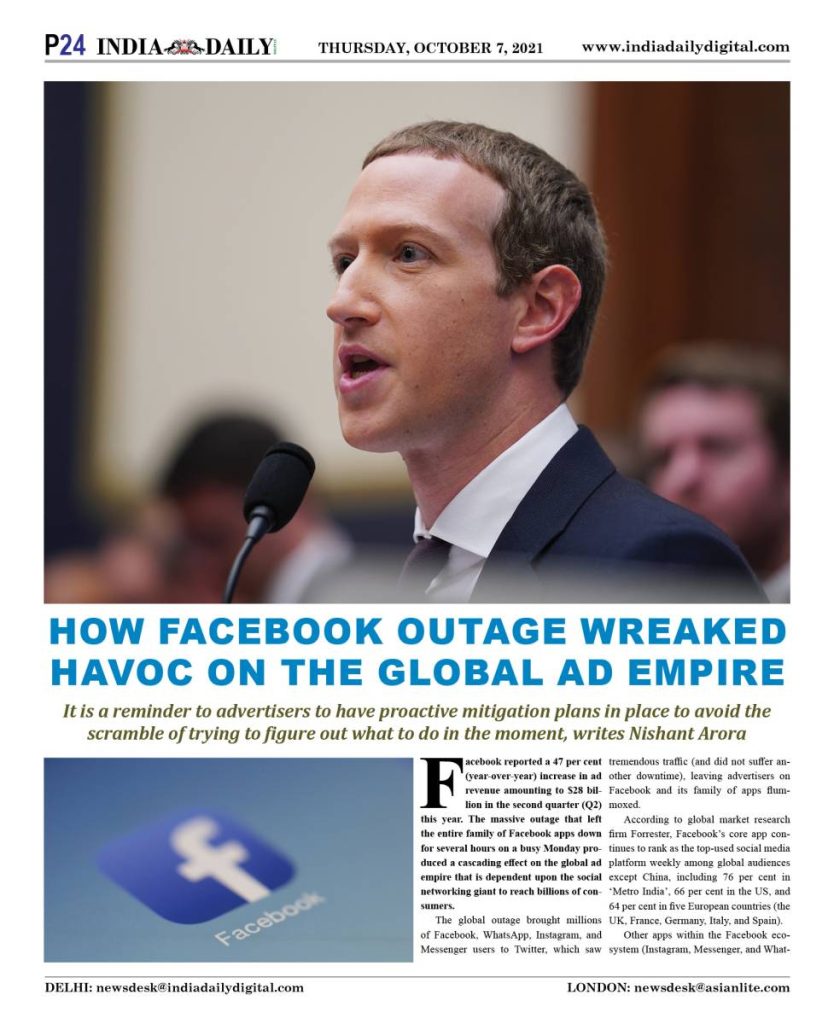
Facebook reported a 47 per cent (year-over-year) increase in ad revenue amounting to $28 billion in the second quarter (Q2) this year. The massive outage that left the entire family of Facebook apps down for several hours on a busy Monday produced a cascading effect on the global ad empire that is dependent upon the social networking giant to reach billions of consumers.

The global outage brought millions of Facebook, WhatsApp, Instagram, and Messenger users to Twitter, which saw tremendous traffic (and did not suffer another downtime), leaving advertisers on Facebook and its family of apps flummoxed.

According to global market research firm Forrester, Facebook’s core app continues to rank as the top-used social media platform weekly among global audiences except China, including 76 per cent in ‘Metro India’, 66 per cent in the US, and 64 per cent in five European countries (the UK, France, Germany, Italy, and Spain).
Other apps within the Facebook ecosystem (Instagram, Messenger, and WhatsApp) also dominate globally over non-Facebook social media platforms.

According to Forrester VP, Research Director, Mike Proulx, although many brands had a “real-time marketing” moment on Twitter, this outage has widespread implications to the advertising ecosystem “given the fact that ads weren’t being served for over six hours across Facebook and Instagram, which command the lion’s share of social media ad revenue”.

When the next outage occurs, brands should position themselves to pivot quickly to lessen the blow to their demand generation efforts.

“This not only affects Facebook’s revenue (and stock price) but also brands’ bottom lines,” he said in a statement.

The October 4 Facebook outage occurred on the heels of a whistleblower — data scientist Frances Haugen — condemning the social media giant for its business practices.

Facebook later explained why the outage occurred.

“Our engineering teams have learned that configuration changes on the backbone routers that coordinate network traffic between our data centres caused issues that interrupted this communication. This disruption to network traffic had a cascading effect on the way our data centres communicate, bringing our services to a halt,” Facebook said in a statement.

The social network said it has no evidence that user data was compromised as a result of this downtime.

“Our services are now back online and we’re actively working to fully return them to regular operations. We want to make clear at this time we believe the root cause of this outage was a faulty configuration change,” the company said.

Over the past two years, Facebook has consolidated its disparate app ecosystem onto one back-end infrastructure.

According to Forrester senior analyst Jessica Liu, it is a move that creates some operational efficiencies for the company and insulation from a potential breakup by regulators.

“But it also exposes Facebook to concentration risk: A single risk event that produces a cascading effect — like old school Christmas lights where one goes out, they all go out. This strategy comes at the expense of redundancy and impairs the company’s resilience. It also irritates consumers who don’t want a unified social media profile across Facebook’s family of apps,” Liu stressed.

This Facebook outage wasn’t the first and it won’t be the last.

It is a reminder to advertisers to have proactive mitigation plans in place to avoid the scramble of trying to figure out what to do in the moment.

The brands need to diversify media spend within and outside of social media.

“Brands should use this incident to (re)assess how much of their ad spend is concentrated in a single media platform and determine a go-forward diversification strategy that still reaches their target audiences while reducing concentration risk,” said principal analyst Jeff Pollard.
When the next outage occurs, brands should position themselves to pivot quickly to lessen the blow to their demand generation efforts.

This involves creating “what if” scenarios with specific actions to take as risk triggers occur.

“Marketers would be wise to pressure Facebook to quickly adjust for the outage to normalise brands’ siloed Facebook ad performance dashboards,” added senior analyst Alla Valente.
ALSO READ: Facebook, WhatsApp, Instagram hit by global outage

ALSO READ: Zuckerberg issues apology after Facebook outage

Previous Story

Thousands ‘disappeared’ from China for upsetting regime

Next Story

India allows 100% FDI in telecom sector

Previous Story

Thousands ‘disappeared’ from China for upsetting regime

Next Story

India allows 100% FDI in telecom sector

Latest from -Top News

Pakistan Risks Overstretching Itself in Yemen War

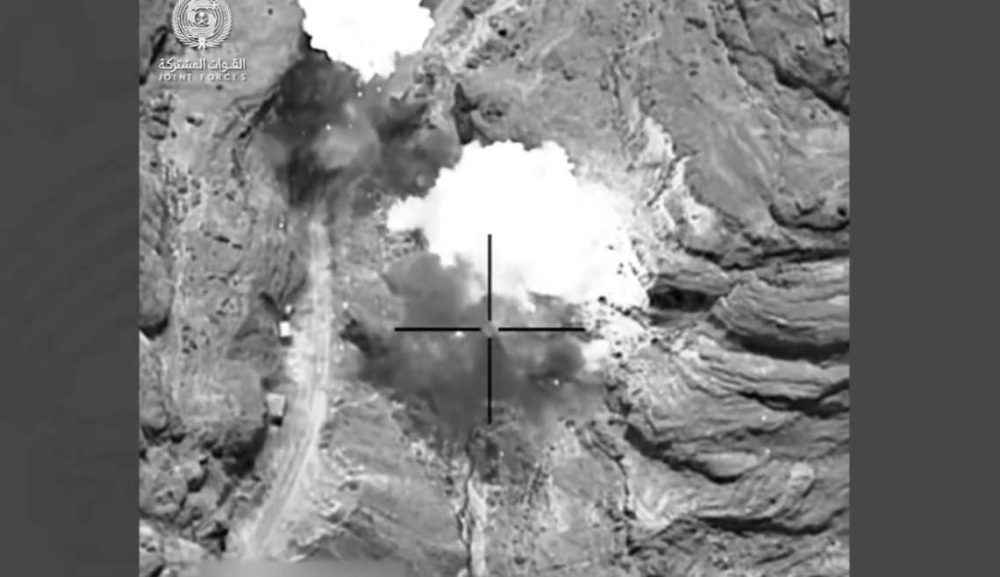
Pakistan’s expanding military role in Saudi Arabia amid the Yemen conflict could strain its defence resources and fragile finances…reports Asian Lite News Desk Pakistan’s military involvement in the war in Yemen may prove unsustainable because of mounting financial pressures and competing security demands, according to a new report. Islamabad’s growing military presence in Saudi Arabia risks stretching its defence resources while exposing the country to greater strategic and economic challenges. An article by Andrew Wilson in One World Outlook describes Pakistan’s involvement as a case of “fiscal and strategic overreach”, arguing that the country lacks the financial flexibility to sustain an expanded military commitment. Pakistan’s external finances depend heavily on an International Monetary Fund (IMF) programme, financial support from Gulf countries and remittances from Pakistani workers in the region. The report argues that deeper military involvement in the conflict could place additional pressure on these sources of financial stability. It also warns that deploying troops and military equipment abroad could weaken Pakistan’s capacity to address security challenges along its eastern border and deal with two domestic insurgencies. The move could also draw Islamabad into a conflict it has sought to approach cautiously. A Reuters report in May, citing Pakistani security and government sources, said Islamabad had deployed around 8,000 troops, a squadron of approximately 16 aircraft, mostly JF-17 fighter jets, two drone squadrons and a Chinese HQ-9 air-defence battery to Saudi Arabia. According to those sources, Riyadh was financing the deployment, with Pakistani personnel operating the equipment. The sources also said a confidential agreement contemplated the possibility of deploying up to 80,000 troops. Islamabad has not confirmed those figures, although it has acknowledged its military presence in Saudi Arabia, including the deployment of fighter jets at King Abdulaziz Air Base from April. The One World Outlook article argues that Saudi financial support can cover allowances and operating expenses but cannot easily replace military equipment needed elsewhere or resolve the political and strategic challenges of participating in the Yemen conflict. Pakistan’s defence budget is another concern. For the 2026-27 financial year, the federal government allocated PKR 3 trillion, or approximately $10.8 billion, to defence services. The allocation represents an 18 per cent increase from the original PKR 2.55 trillion provision and amounts to around 2.1 per cent of projected gross domestic product (GDP). Defence spending accounts for approximately 16 per cent of the federal government’s PKR 18.8 trillion expenditure. Military pensions are budgeted separately at PKR 822 billion, while debt servicing costs stand at approximately PKR 8 trillion, more than two-and-a-half times the defence allocation. The report argues that these competing financial obligations leave little room for additional military expenditure without placing further pressure on public finances. Pakistan’s reliance on IMF assistance also limits its fiscal flexibility. The country must meet the conditions attached to the programme, including a primary budget surplus target of 2 per cent of GDP and continued restraint on development spending. According to the article, these requirements make it difficult for Islamabad to finance an additional military commitment without compromising other budgetary priorities. Pakistan’s economic indicators offer limited reassurance. Economic growth for the 2025-26 financial year is estimated at between 3.6 and 3.7 per cent, while inflation reached approximately 10.3 per cent in September following an energy price shock. Foreign exchange reserves stood at around $21.5 billion at the end of September. Although this marks an improvement from the low levels recorded in 2023, the report notes that the reserves cover only a few months of imports. Financial assistance from Gulf partners remains central to Pakistan’s external stability. The article says Islamabad holds approximately $8 billion in Saudi deposits at its central bank. In July, the State Bank of Pakistan said Riyadh had extended the maturity of $5 billion in deposits to December 2028, easing the country’s immediate external financing requirements. A further $3 billion deposit was also extended in the spring. However, the article argues that these arrangements provide temporary relief rather than long-term financial independence, particularly as regional conflict threatens the stability of the Gulf economies on which Pakistan relies. The report concludes that Pakistan faces a difficult balance between supporting Saudi Arabia militarily and preserving the financial and military resources needed to address its domestic and regional challenges.
Go toTop

Don't Miss

SC says Facebook has potential to polarise public debate

The bench held that for intermediaries to say that they

Trump to remain banned from Facebook for two years

According to the facebook’s new regulations on heightened penalties for