Tragedy struck the family very early when her father General Aung San, the interim Prime minister of would-be independent Burma, was assassinated in July 1947…reports Baladas Ghoshal
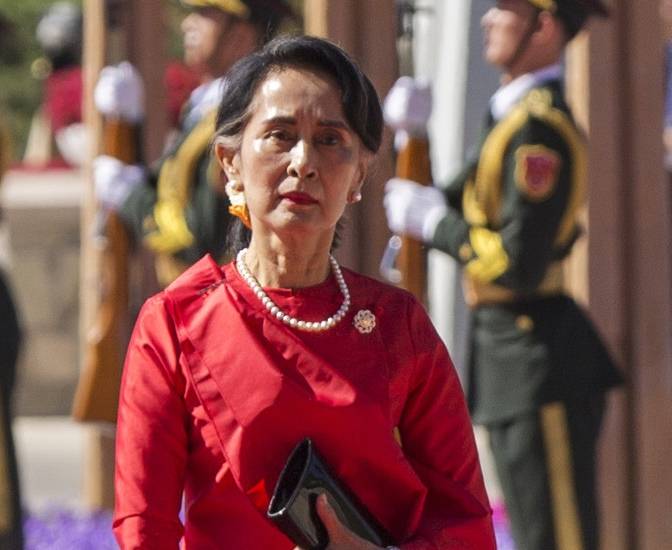
Destiny and fate coincidence has always treated Myanmar’s deposed leader, Aung San Suu Kyi, rather strangely, pushing her sometimes to the precipice.
But the Nobel laureate had also shown grit, determination and resilience to turn back from adversity to shape things in her life. The charisma and resilience still shine in her character, but her advancing age and the circumstances created by the February Coup and the subsequent conviction on trumped-up charges may not permit her to manoeuvre current developments to her favour.
While author and historian Thant Myint U may still contend that, “She remains far and away from the most popular (figure) in Myanmar politics and may still be a potent force in what’s to come,” the chances of that happening are remote, if not impossible.
Tragedy struck the family very early when her father General Aung San, the interim Prime minister of would-be independent Burma, was assassinated in July 1947. She was not even 2 at the time, but the trauma must have haunted her in her childhood. Despite the early setback, once her mother was appointed Ambassador of Burma to India, her teenage and adult life were spent in comfort and trouble-free, first in New Delhi and later in England with her British husband and her two children.
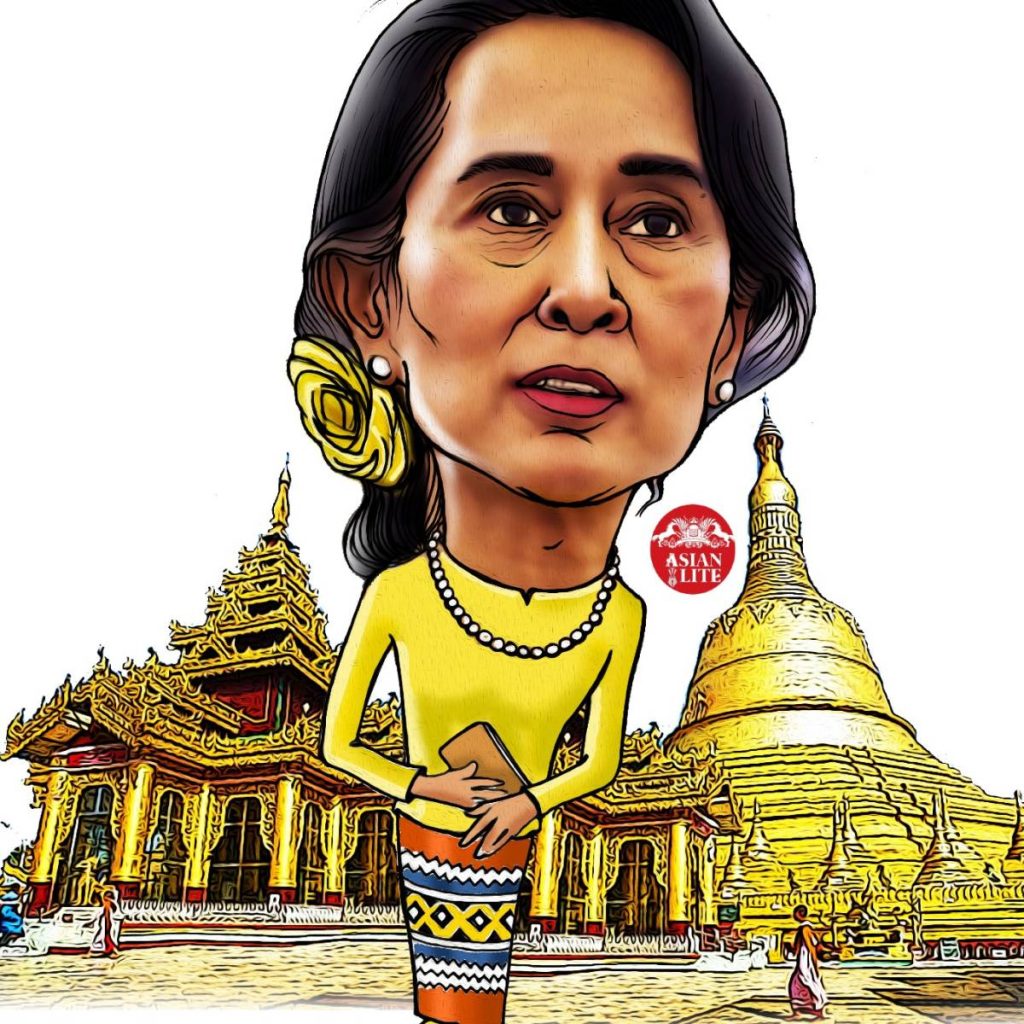
She also had a professional life of her own as a researcher until 1988, when she returned to Burma to nurse her dying mother, leaving her husband and son behind. There the brutal and unresponsive rule of military strongmen Ne Win led her to speak out against him and to begin a non-violent struggle for democracy and human rights in that country.
That move changed her destiny and catapulted her into the centre of politics of the country for the rest of her life, whether under house arrest or in power. In incarceration, she kept her spirit of struggle against the military dictatorship aloft, rising like a phoenix from the ashes, turning all the adversities imposed on her into an advantage in a remarkable fashion and bounced back. Even in house arrest, she kept her rapport with the masses and was able to influence the course of the democratic movement in the country.
Even while the military junta drafted constitution restricted her right to hold a constitutional position, she invented the position of State Counsellor to become the de facto leader and foreign minister of the country from 2016 to January 2021. During all those years, the military tried its level best to side-line Suu Kyi, but failed to deter her from remaining at the top. The February coup was its ultimate weapon not only to side-line her, but also to remove her forever from the politics of the country.
Junta’s Game plan
“Removing Aung San Suu Kyi from politics isn’t a by-product of the coup, it was the entire reason for the coup,” to quote Thant Myint again. Min Aung Hlaing, leader of the Junta, along with many in the current generation of generals had come to feel that the reformist ex-generals of 10 years ago had gone too far in their political liberalisations and had made a specific mistake in allowing her back on the political scene.
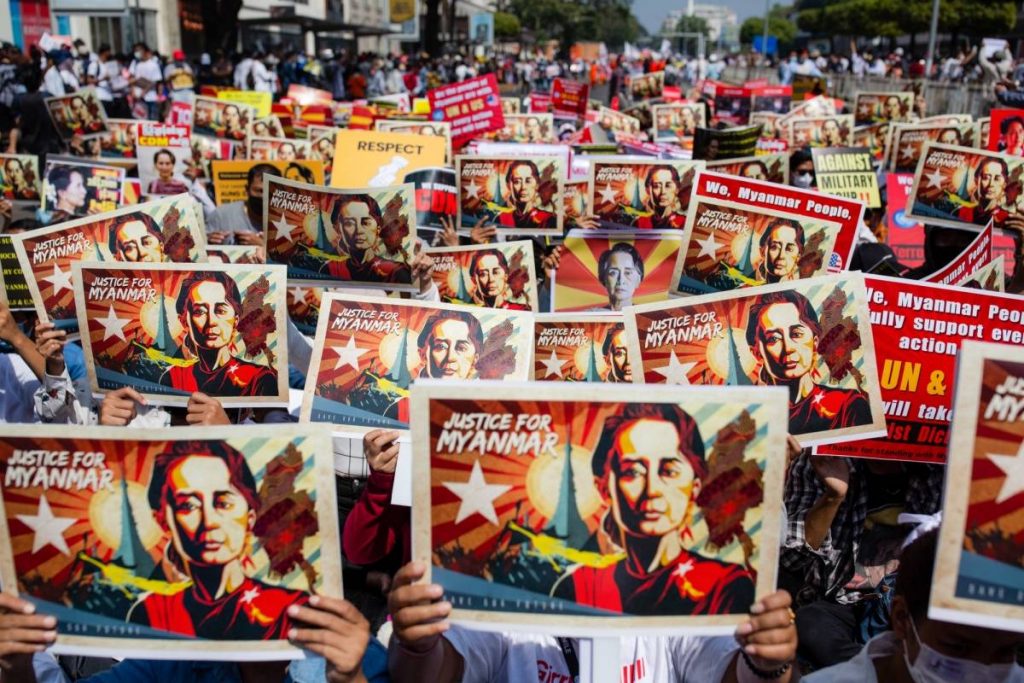
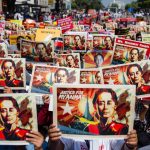
So the Junta will make it doubly sure that she cannot come back to power anymore, not only through bayonet but also through ballot box, however unfortunate that might be for the people of Myanmar, who still considers her as their undisputed leader. Suu Kyi’s conviction was the first step in that direction, as it would debar her from participating in the electoral process.
The Junta had declared a year-long emergency at the time of taking over power and promised fresh elections in two years. The emergency will be extended for another one year, if not more, for enabling the Junta to attain a semblance of stability in the country so that it can hold guided elections.
Suu Kyi’s National League for Democracy (NLD), although not officially banned as yet, its members had already been declared as traitors’ for winning the November 2020 elections with fraud practices, even while the Election Commission called it fair.
The retired Generals-controlled Union Solidarity and Development Party (USDP), the main opposition party to NLD, which performed very poorly in the last elections will be given full support by the Junta to assure its victory in the proposed elections. The Junta might even use the humanitarian crisis rising in the country due to the economic collapse, to appeal to the people of Myanmar as well as the international community to give it breathing time for stabilising the political situation to enable it to hold the elections.
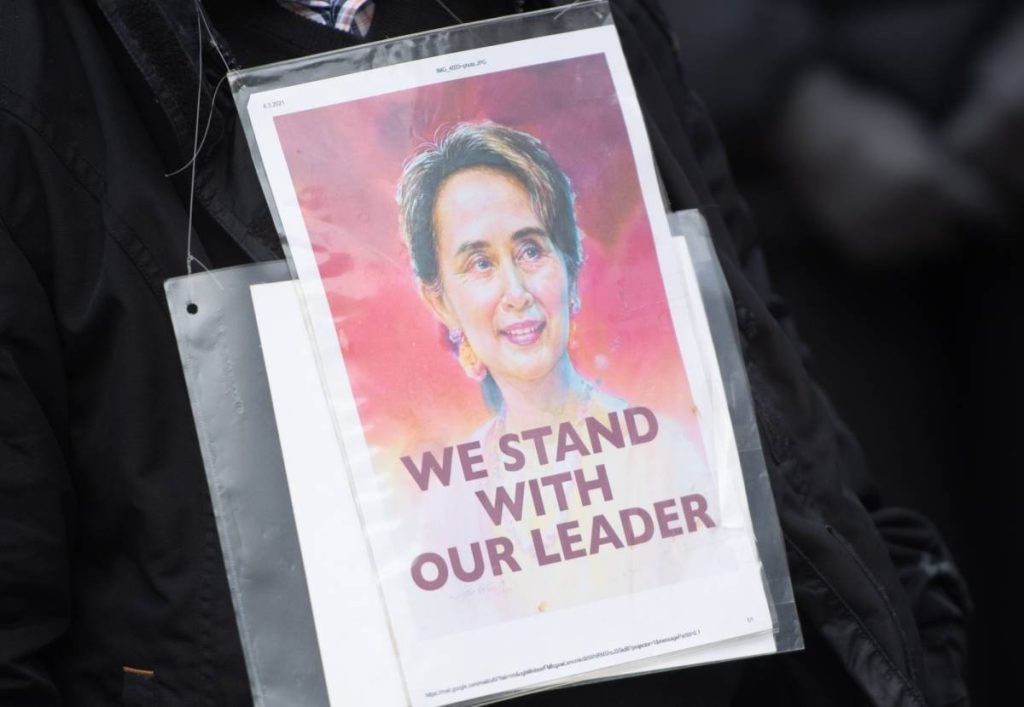
The Junta may or may not even succeed in its game plan, as the Civil Disobedience Movement (CDM) generated struggle against military autocracy and brutality is slowly spreading throughout the country and gaining grassroots support from the people providing it a much wider base, leading it to a protracted confrontation. Even if the democratic movement succeeds eventually from this confrontation, it will be quite long. Whether Junta’s game plan succeeds or the democratic movement achieves its goal after a long haul, it will be of no help to Aung San Suu Kyi as the time is against her. She is already past 76 years of age. She will surely retain her grit, courage and determination in her goals and objectives, but her body may not permit her to sustain them in case of a long haul.
(Baladas Ghoshal is a leading expert on the Indo-Pacific. He is former Professor and Chair in South & Southeast Asian Studies, Jawaharlal Nehru University, New Delhi. Views expressed are personal and exclusive to India Narrative)
ALSO READ-MEA slams Aung San Suu Kyi’s sentencing