August 18, 2021
4 mins read

Britain plans to welcome thousands of Afghans

Britain plans to relocate 5,000 people as part of an Afghan Relocations and Assistance Policy, designed to help present and past employees of the UK government, reports Asian Lite News

Britain on Tuesday announced plans to welcome up to 5,000 Afghans fleeing the Taliban during the first year of a new resettlement programme that will prioritise women, girls and religious and other minorities.

Foreign powers are assessing how to respond after Islamist Taliban insurgents rapidly seized control in Afghanistan, with many fearing a swift unravelling of women’s rights, despite reassurances to the contrary.

Britain already plans to relocate 5,000 people as part of an Afghan Relocations and Assistance Policy, designed to help present and past employees of the UK government, and on Tuesday announced plans to go further with a new scheme.

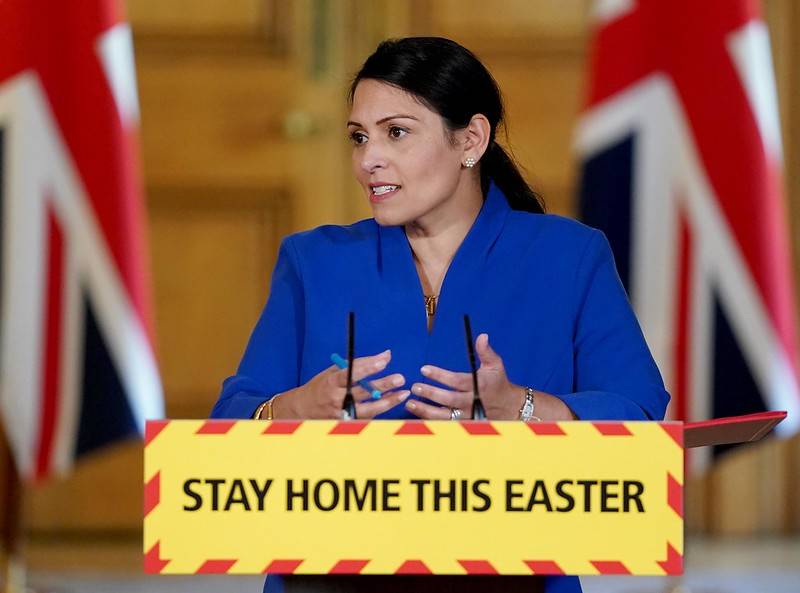
“I want to ensure that as a nation we do everything possible to provide support to the most vulnerable fleeing Afghanistan so they can start a new life in safety in the UK,” said Home Secretary Priti Patel.

“The Afghan Citizens’ Resettlement Scheme will save lives.”

The Conservative government has faced pressure from opposition parties and charities to set out the specifics of how it will help Afghans.

In the long term, the programme aims to assist up to 20,000 people, Patel’s ministry said.
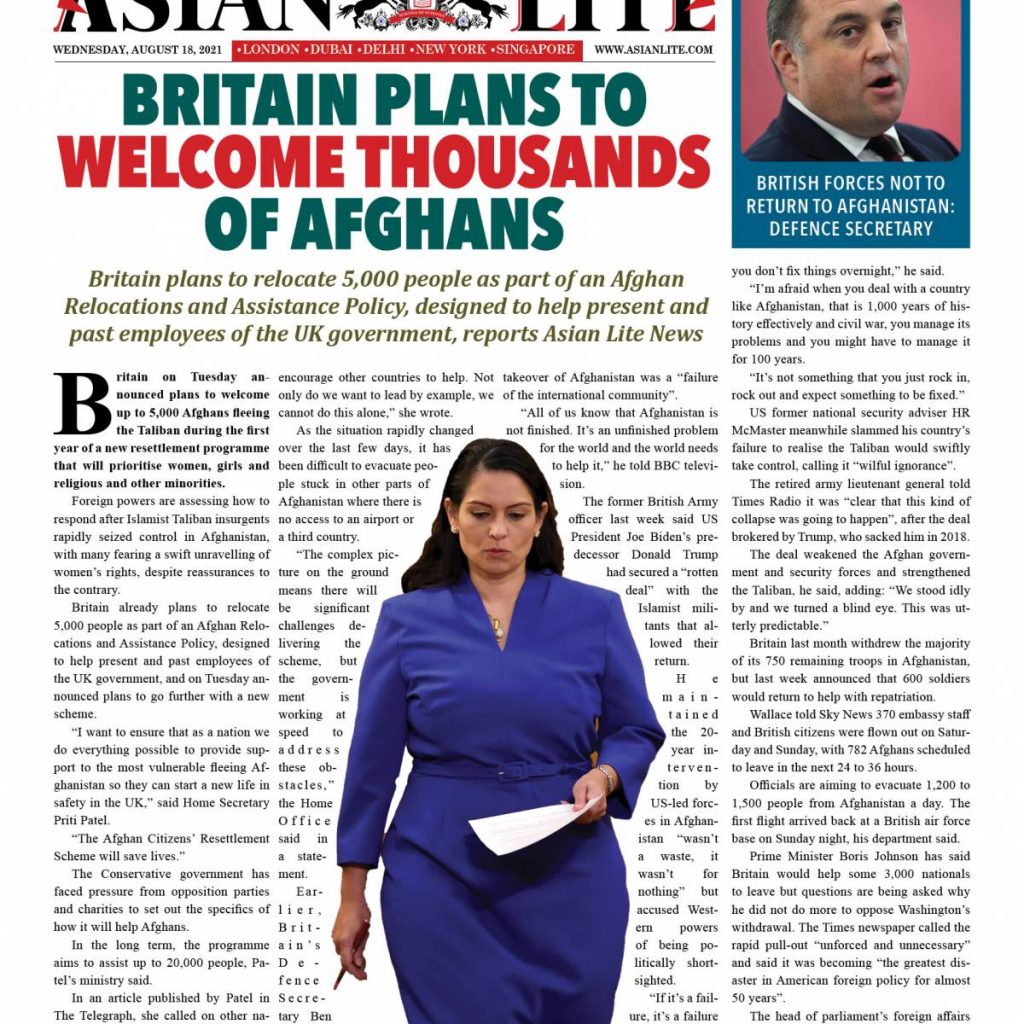
In an article published by Patel in The Telegraph, she called on other nations to help take in Afghan refugees as well.

“The UK is also doing all it can to encourage other countries to help. Not only do we want to lead by example, we cannot do this alone,” she wrote.

As the situation rapidly changed over the last few days, it has been difficult to evacuate people stuck in other parts of Afghanistan where there is no access to an airport or a third country.

“The complex picture on the ground means there will be significant challenges delivering the scheme, but the government is working at speed to address these obstacles,” the Home Office said in a statement.

Earlier, Britain’s Defence Secretary Ben Wallace had said that Taliban’s takeover of Afghanistan was a “failure of the international community”.

“All of us know that Afghanistan is not finished. It’s an unfinished problem for the world and the world needs to help it,” he told BBC television.

The former British Army officer last week said US President Joe Biden’s predecessor Donald Trump had secured a “rotten deal” with the Islamist militants that allowed their return.

He maintained the 20-year intervention by US-led forces in Afghanistan “wasn’t a waste, it wasn’t for nothing” but accused Western powers of being politically short-sighted.

“If it’s a failure, it’s a failure of the international community to not realise that you don’t fix things overnight,” he said.

“I’m afraid when you deal with a country like Afghanistan, that is 1,000 years of history effectively and civil war, you manage its problems and you might have to manage it for 100 years.

“It’s not something that you just rock in, rock out and expect something to be fixed.”

US former national security adviser HR McMaster meanwhile slammed his country’s failure to realise the Taliban would swiftly take control, calling it “wilful ignorance”.

The retired army lieutenant general told Times Radio it was “clear that this kind of collapse was going to happen”, after the deal brokered by Trump, who sacked him in 2018.

The deal weakened the Afghan government and security forces and strengthened the Taliban, he said, adding: “We stood idly by and we turned a blind eye. This was utterly predictable.”

Britain last month withdrew the majority of its 750 remaining troops in Afghanistan, but last week announced that 600 soldiers would return to help with repatriation.

Wallace told Sky News 370 embassy staff and British citizens were flown out on Saturday and Sunday, with 782 Afghans scheduled to leave in the next 24 to 36 hours.

Officials are aiming to evacuate 1,200 to 1,500 people from Afghanistan a day. The first flight arrived back at a British air force base on Sunday night, his department said.
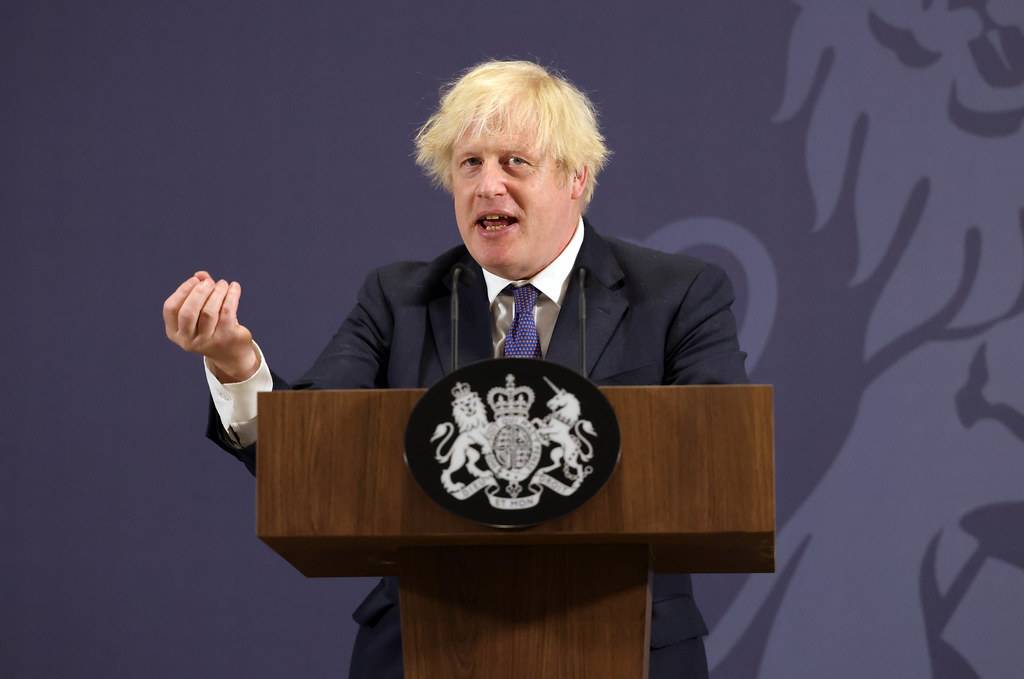
Prime Minister Boris Johnson has said Britain would help some 3,000 nationals to leave but questions are being asked why he did not do more to oppose Washington’s withdrawal.

The Times newspaper called the rapid pull-out “unforced and unnecessary” and said it was becoming “the greatest disaster in American foreign policy for almost 50 years”.

The head of parliament’s foreign affairs committee, Tom Tugendhat, likened it to the Suez crisis of 1956, which laid bare the limits of Britain’s global influence.

ALSO READ-UK parliament to reconvene over Afghanistan crisis

READ MORE-UK sends another 200 troops to Kabul evacuation

Previous Story

Imams to tackle suicide issue in Kashmir

Next Story

PM chairs key meet on Afghanistan situation

Previous Story

Imams to tackle suicide issue in Kashmir

Next Story

PM chairs key meet on Afghanistan situation

Latest from -Top News

Pakistan Risks Overstretching Itself in Yemen War

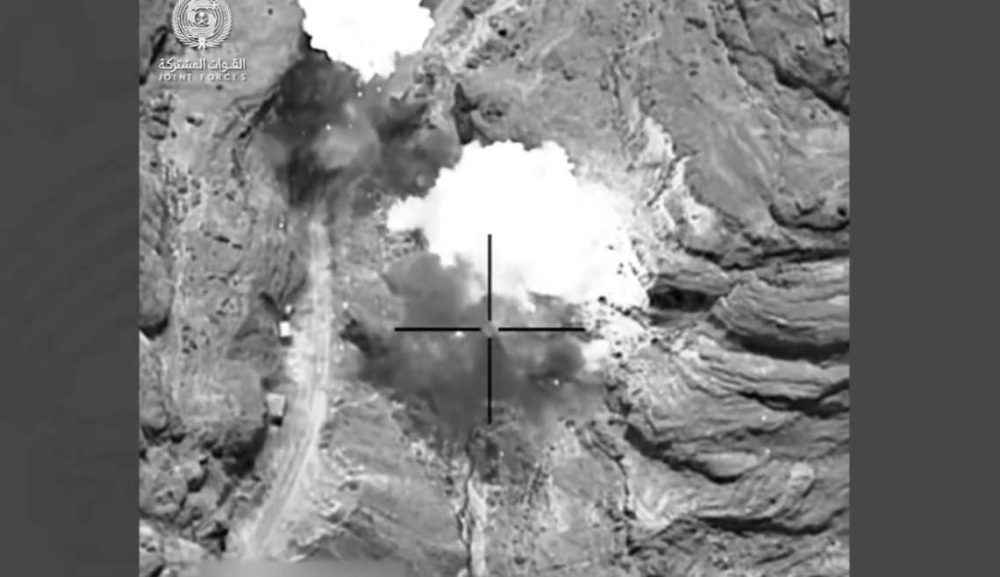
Pakistan’s expanding military role in Saudi Arabia amid the Yemen conflict could strain its defence resources and fragile finances…reports Asian Lite News Desk Pakistan’s military involvement in the war in Yemen may prove unsustainable because of mounting financial pressures and competing security demands, according to a new report. Islamabad’s growing military presence in Saudi Arabia risks stretching its defence resources while exposing the country to greater strategic and economic challenges. An article by Andrew Wilson in One World Outlook describes Pakistan’s involvement as a case of “fiscal and strategic overreach”, arguing that the country lacks the financial flexibility to sustain an expanded military commitment. Pakistan’s external finances depend heavily on an International Monetary Fund (IMF) programme, financial support from Gulf countries and remittances from Pakistani workers in the region. The report argues that deeper military involvement in the conflict could place additional pressure on these sources of financial stability. It also warns that deploying troops and military equipment abroad could weaken Pakistan’s capacity to address security challenges along its eastern border and deal with two domestic insurgencies. The move could also draw Islamabad into a conflict it has sought to approach cautiously. A Reuters report in May, citing Pakistani security and government sources, said Islamabad had deployed around 8,000 troops, a squadron of approximately 16 aircraft, mostly JF-17 fighter jets, two drone squadrons and a Chinese HQ-9 air-defence battery to Saudi Arabia. According to those sources, Riyadh was financing the deployment, with Pakistani personnel operating the equipment. The sources also said a confidential agreement contemplated the possibility of deploying up to 80,000 troops. Islamabad has not confirmed those figures, although it has acknowledged its military presence in Saudi Arabia, including the deployment of fighter jets at King Abdulaziz Air Base from April. The One World Outlook article argues that Saudi financial support can cover allowances and operating expenses but cannot easily replace military equipment needed elsewhere or resolve the political and strategic challenges of participating in the Yemen conflict. Pakistan’s defence budget is another concern. For the 2026-27 financial year, the federal government allocated PKR 3 trillion, or approximately $10.8 billion, to defence services. The allocation represents an 18 per cent increase from the original PKR 2.55 trillion provision and amounts to around 2.1 per cent of projected gross domestic product (GDP). Defence spending accounts for approximately 16 per cent of the federal government’s PKR 18.8 trillion expenditure. Military pensions are budgeted separately at PKR 822 billion, while debt servicing costs stand at approximately PKR 8 trillion, more than two-and-a-half times the defence allocation. The report argues that these competing financial obligations leave little room for additional military expenditure without placing further pressure on public finances. Pakistan’s reliance on IMF assistance also limits its fiscal flexibility. The country must meet the conditions attached to the programme, including a primary budget surplus target of 2 per cent of GDP and continued restraint on development spending. According to the article, these requirements make it difficult for Islamabad to finance an additional military commitment without compromising other budgetary priorities. Pakistan’s economic indicators offer limited reassurance. Economic growth for the 2025-26 financial year is estimated at between 3.6 and 3.7 per cent, while inflation reached approximately 10.3 per cent in September following an energy price shock. Foreign exchange reserves stood at around $21.5 billion at the end of September. Although this marks an improvement from the low levels recorded in 2023, the report notes that the reserves cover only a few months of imports. Financial assistance from Gulf partners remains central to Pakistan’s external stability. The article says Islamabad holds approximately $8 billion in Saudi deposits at its central bank. In July, the State Bank of Pakistan said Riyadh had extended the maturity of $5 billion in deposits to December 2028, easing the country’s immediate external financing requirements. A further $3 billion deposit was also extended in the spring. However, the article argues that these arrangements provide temporary relief rather than long-term financial independence, particularly as regional conflict threatens the stability of the Gulf economies on which Pakistan relies. The report concludes that Pakistan faces a difficult balance between supporting Saudi Arabia militarily and preserving the financial and military resources needed to address its domestic and regional challenges.
Go toTop

Don't Miss

India, Georgia Classified as Safe by UK in Immigration Crackdown

Other countries deemed safe by the UK include Albania and

UK has ‘unique opportunity’ to bolster Gulf relations, forum told 

Trade between the UK and the GCC has been valued