October 9, 2022
1 min read

Ahmadi women again under threat of TLP

The Ahmadis are a persecuted religious minority in Pakistan through specific laws that make them second-class citizens…reports Asian Lite News

A cleric of the proscribed Tehreek-e-Labbaik Pakistan (TLP) has asked his followers to attack Ahmadi pregnant women to “make sure that no new Ahmadis are born”.

A video has emerged on social media showing a speech by TLP cleric Muhammad Naeem Chattha Qadri calling on his supporters to carry out attacks against pregnant Ahmadi women to “make sure that no new Ahmadis are born.”

He insisted that “there is but one punishment for blasphemers, decapitation.” The preacher said should the attacks not be successful, “those babies who are being born should be killed,” according to a report in Bitter Winter, a magazine on religious liberty and human rights.

Writing in the magazine, Massimo Introvigne, an Italian sociologist of religions, said the TLP is notorious for its attacks against religious minorities, including Christians and Ahmadis.
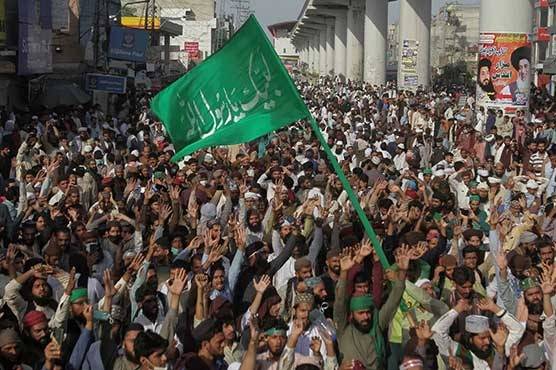
According to the report, Qadri also warned police against attempting to interfere with TLP’s religious cleansing of the Ahmadis. “Those of you who are from the police, or if there is any DPO (District Police Officer) or DC (Deputy Commissioner) or SHO (Police Station house officer) must understand that we cannot be stopped.”

On August 12, Naseer Ahmad, a 62-year-old Ahmadi father of 3, was stabbed to death at the main bus stop in Rabwah, a city with an Ahmadi majority, by a TLP activist who went there to “create an incident” with the Ahmadis, reported Introvigne.

The TLP has also targeted Pakistani Sunni Muslim politicians accused of being “soft on the Ahmadis.”

The Ahmadis are a persecuted religious minority in Pakistan through specific laws that make them second-class citizens. They are also reportedly prevented from voting and holding office. Their right to propagate and practice their religion is legally denied.

Ahmadis are routinely prosecuted for blasphemy, which carries extremely harsh punishment including the death penalty. Many Ahmadis have been falsely accused of blasphemy and executed, reported Al Arabiya Post. (ANI)

ALSO READ: Imran Khan is biggest liar on Earth: Shehbaz Sharif

Previous Story

Anti-govt protesters hack Iran’s state-run television

Next Story

Exploitative attitude of Chinese firms irks Africans

Previous Story

Anti-govt protesters hack Iran’s state-run television

Next Story

Exploitative attitude of Chinese firms irks Africans

Latest from -Top News

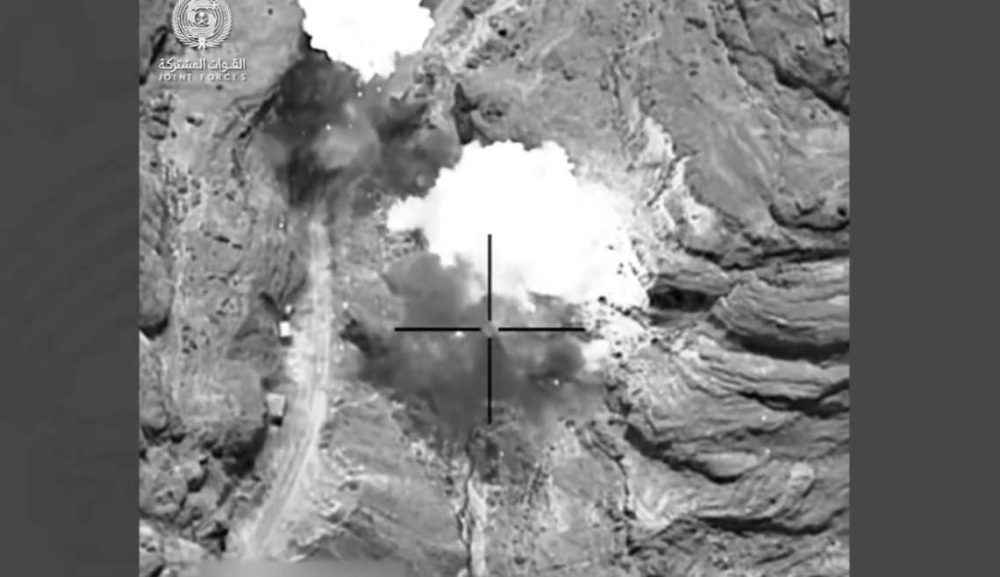
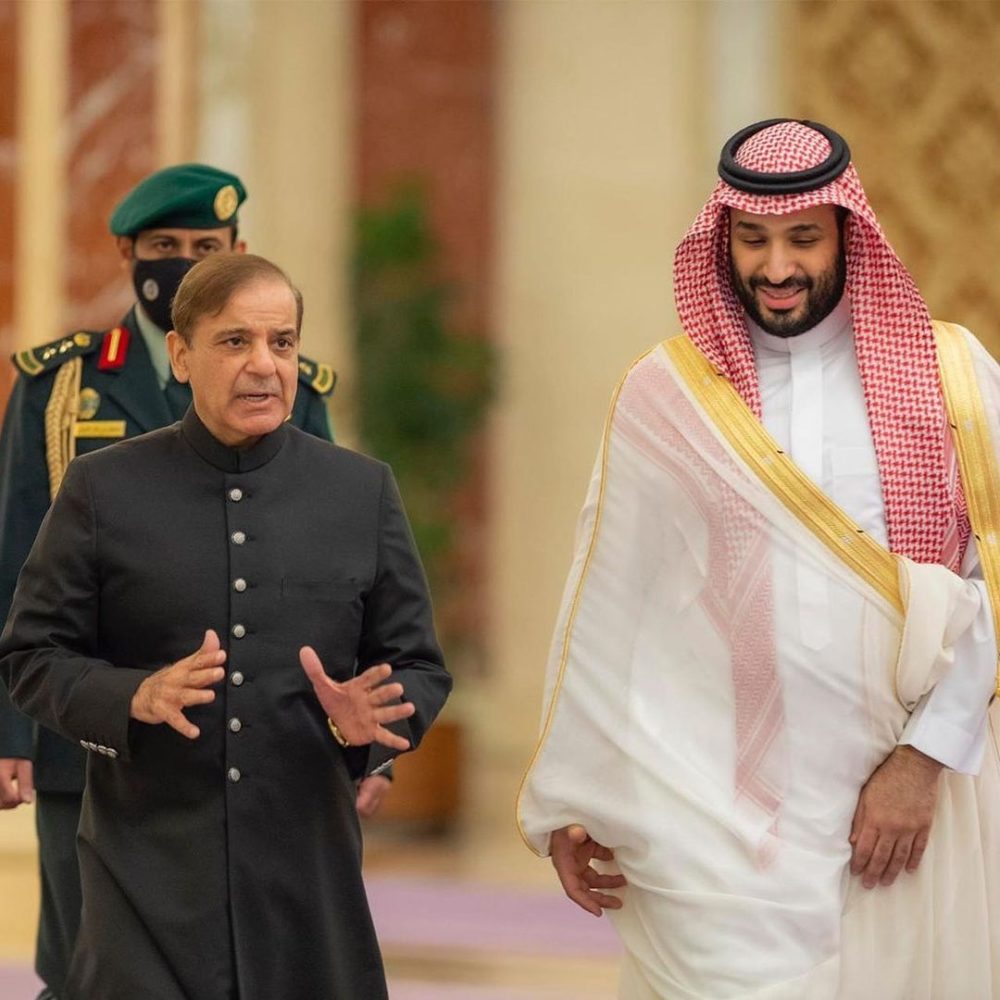
Pakistan Risks Overstretching Itself in Yemen War

Pakistan’s expanding military role in Saudi Arabia amid the Yemen conflict could strain its defence resources and fragile finances…reports Asian Lite News Desk Pakistan’s military involvement in the war in Yemen may prove unsustainable because of mounting financial pressures and competing security demands, according to a new report. Islamabad’s growing military presence in Saudi Arabia risks stretching its defence resources while exposing the country to greater strategic and economic challenges. An article by Andrew Wilson in One World Outlook describes Pakistan’s involvement as a case of “fiscal and strategic overreach”, arguing that the country lacks the financial flexibility to sustain an expanded military commitment. Pakistan’s external finances depend heavily on an International Monetary Fund (IMF) programme, financial support from Gulf countries and remittances from Pakistani workers in the region. The report argues that deeper military involvement in the conflict could place additional pressure on these sources of financial stability. It also warns that deploying troops and military equipment abroad could weaken Pakistan’s capacity to address security challenges along its eastern border and deal with two domestic insurgencies. The move could also draw Islamabad into a conflict it has sought to approach cautiously. A Reuters report in May, citing Pakistani security and government sources, said Islamabad had deployed around 8,000 troops, a squadron of approximately 16 aircraft, mostly JF-17 fighter jets, two drone squadrons and a Chinese HQ-9 air-defence battery to Saudi Arabia. According to those sources, Riyadh was financing the deployment, with Pakistani personnel operating the equipment. The sources also said a confidential agreement contemplated the possibility of deploying up to 80,000 troops. Islamabad has not confirmed those figures, although it has acknowledged its military presence in Saudi Arabia, including the deployment of fighter jets at King Abdulaziz Air Base from April. The One World Outlook article argues that Saudi financial support can cover allowances and operating expenses but cannot easily replace military equipment needed elsewhere or resolve the political and strategic challenges of participating in the Yemen conflict. Pakistan’s defence budget is another concern. For the 2026-27 financial year, the federal government allocated PKR 3 trillion, or approximately $10.8 billion, to defence services. The allocation represents an 18 per cent increase from the original PKR 2.55 trillion provision and amounts to around 2.1 per cent of projected gross domestic product (GDP). Defence spending accounts for approximately 16 per cent of the federal government’s PKR 18.8 trillion expenditure. Military pensions are budgeted separately at PKR 822 billion, while debt servicing costs stand at approximately PKR 8 trillion, more than two-and-a-half times the defence allocation. The report argues that these competing financial obligations leave little room for additional military expenditure without placing further pressure on public finances. Pakistan’s reliance on IMF assistance also limits its fiscal flexibility. The country must meet the conditions attached to the programme, including a primary budget surplus target of 2 per cent of GDP and continued restraint on development spending. According to the article, these requirements make it difficult for Islamabad to finance an additional military commitment without compromising other budgetary priorities. Pakistan’s economic indicators offer limited reassurance. Economic growth for the 2025-26 financial year is estimated at between 3.6 and 3.7 per cent, while inflation reached approximately 10.3 per cent in September following an energy price shock. Foreign exchange reserves stood at around $21.5 billion at the end of September. Although this marks an improvement from the low levels recorded in 2023, the report notes that the reserves cover only a few months of imports. Financial assistance from Gulf partners remains central to Pakistan’s external stability. The article says Islamabad holds approximately $8 billion in Saudi deposits at its central bank. In July, the State Bank of Pakistan said Riyadh had extended the maturity of $5 billion in deposits to December 2028, easing the country’s immediate external financing requirements. A further $3 billion deposit was also extended in the spring. However, the article argues that these arrangements provide temporary relief rather than long-term financial independence, particularly as regional conflict threatens the stability of the Gulf economies on which Pakistan relies. The report concludes that Pakistan faces a difficult balance between supporting Saudi Arabia militarily and preserving the financial and military resources needed to address its domestic and regional challenges.
Go toTop

Don't Miss

UN chief shocked by scale of floods in Pakistan

Sindh is the worst-hit province so far, accounting for the

PPP demands FIR for election office ‘attack’

Atta Tarar, the PML-N candidate from NA-127, and his staff,