July 22, 2022
3 mins read

As heat wave sweeps US, people told to cut power use

Temperatures in large parts of the southwest United States have soared to over 100 degrees Fahrenheit (38 degrees Celsius), topping 110 degrees in some areas…reports Asian Lite News

A relentless heat wave that has triggered health alerts for more than 100 million people is set to intensify this weekend, with temperatures and humidity forecast to surge to suffocating highs in many parts of the country.

The devastating heat — which has also hit Europe, causing hundreds of deaths there — highlights the direct threat climate change poses to even the wealthiest countries on the planet.

“So far this week, 60 daily high temperature records have been tied/broken as dangerous heat enveloped much of the Nation,” the National Weather Service (NWS) said in a tweet Thursday morning

“More records are likely to be set over the next week,” it added.

Temperatures in large parts of the southwest United States have soared to over 100 degrees Fahrenheit (38 degrees Celsius), topping 110 degrees in some areas. Similar levels were recorded across the US south, where humidity compounded the discomfort.

The NWS tweeted Tuesday that 100 million people were under heat-related warnings and advisories, and said on Thursday that a “significant portion of the population” would remain under such warnings over the weekend.

Already high temperatures were set to rise further this weekend across the east coast of the United States, where high humidity could push “feels-like” temperatures well above 100 degrees.

Washington and Philadelphia have both declared heat emergencies, and warned their residents to remain vigilant.

“Stay hydrated, limit sun exposure, and check on seniors, neighbors & pets,” Washington Mayor Muriel Bowser said on Twitter.

Philadelphia’s Department of Public Health warned in a statement that “during hot weather, NEVER leave children and pets unattended in vehicles under any circumstances.”

More heat to come

While the oppressive heat is expected to subside in the US south and east next week, a high pressure system over the Pacific northwest is expected to push temperatures 10-15 degrees above normal levels.

Temperatures have also soared in Europe, setting a new all-time record in Britain, where the national weather service clocked 104.5 degrees in eastern England, surpassing the previous high set in 2019.

Unlike much of western Europe, most homes in the United States have air conditioning, helping to mitigate the heat wave’s health risks, but adding strain on the power grid in times of high usage.

In Texas, residents were asked last week to reduce their power consumption by not running major appliances from 2:00 pm to 8:00 pm, as the southern state’s electric utility warned that low windspeeds threatened the grid reliability.

The City of New York on Thursday asked residents to use less energy by raising their air conditioning to 78 degrees and unplugging appliances.

Scientists have warned that heat waves like the ones being felt in the United States and Europe will become more frequent and rise in intensity due to global warming.

Though he campaigned on an agenda of robust action against climate change, US President Joe Biden’s biggest plans have been stymied by the Supreme Court and lawmakers, including from his own Democratic party.

Biden announced in a speech Wednesday that his administration would redouble efforts to address global warming, but stopped short of declaring a formal climate emergency, which would grant him additional policy powers.

ALSO READ: German weather service expects extreme heat to continue

Previous Story

‘Trump lied, bullied, betrayed oath’

Next Story

NASA targets late Aug for Artemis 1 moon rocket launch

Previous Story

‘Trump lied, bullied, betrayed oath’

Next Story

NASA targets late Aug for Artemis 1 moon rocket launch

Latest from -Top News

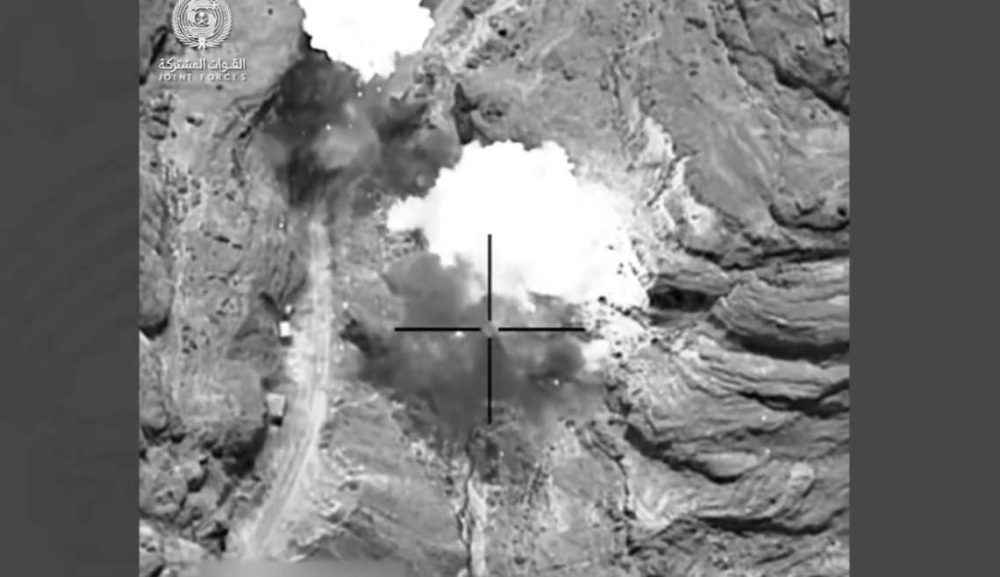
Pakistan Risks Overstretching Itself in Yemen War

Pakistan’s expanding military role in Saudi Arabia amid the Yemen conflict could strain its defence resources and fragile finances…reports Asian Lite News Desk Pakistan’s military involvement in the war in Yemen may prove unsustainable because of mounting financial pressures and competing security demands, according to a new report. Islamabad’s growing military presence in Saudi Arabia risks stretching its defence resources while exposing the country to greater strategic and economic challenges. An article by Andrew Wilson in One World Outlook describes Pakistan’s involvement as a case of “fiscal and strategic overreach”, arguing that the country lacks the financial flexibility to sustain an expanded military commitment. Pakistan’s external finances depend heavily on an International Monetary Fund (IMF) programme, financial support from Gulf countries and remittances from Pakistani workers in the region. The report argues that deeper military involvement in the conflict could place additional pressure on these sources of financial stability. It also warns that deploying troops and military equipment abroad could weaken Pakistan’s capacity to address security challenges along its eastern border and deal with two domestic insurgencies. The move could also draw Islamabad into a conflict it has sought to approach cautiously. A Reuters report in May, citing Pakistani security and government sources, said Islamabad had deployed around 8,000 troops, a squadron of approximately 16 aircraft, mostly JF-17 fighter jets, two drone squadrons and a Chinese HQ-9 air-defence battery to Saudi Arabia. According to those sources, Riyadh was financing the deployment, with Pakistani personnel operating the equipment. The sources also said a confidential agreement contemplated the possibility of deploying up to 80,000 troops. Islamabad has not confirmed those figures, although it has acknowledged its military presence in Saudi Arabia, including the deployment of fighter jets at King Abdulaziz Air Base from April. The One World Outlook article argues that Saudi financial support can cover allowances and operating expenses but cannot easily replace military equipment needed elsewhere or resolve the political and strategic challenges of participating in the Yemen conflict. Pakistan’s defence budget is another concern. For the 2026-27 financial year, the federal government allocated PKR 3 trillion, or approximately $10.8 billion, to defence services. The allocation represents an 18 per cent increase from the original PKR 2.55 trillion provision and amounts to around 2.1 per cent of projected gross domestic product (GDP). Defence spending accounts for approximately 16 per cent of the federal government’s PKR 18.8 trillion expenditure. Military pensions are budgeted separately at PKR 822 billion, while debt servicing costs stand at approximately PKR 8 trillion, more than two-and-a-half times the defence allocation. The report argues that these competing financial obligations leave little room for additional military expenditure without placing further pressure on public finances. Pakistan’s reliance on IMF assistance also limits its fiscal flexibility. The country must meet the conditions attached to the programme, including a primary budget surplus target of 2 per cent of GDP and continued restraint on development spending. According to the article, these requirements make it difficult for Islamabad to finance an additional military commitment without compromising other budgetary priorities. Pakistan’s economic indicators offer limited reassurance. Economic growth for the 2025-26 financial year is estimated at between 3.6 and 3.7 per cent, while inflation reached approximately 10.3 per cent in September following an energy price shock. Foreign exchange reserves stood at around $21.5 billion at the end of September. Although this marks an improvement from the low levels recorded in 2023, the report notes that the reserves cover only a few months of imports. Financial assistance from Gulf partners remains central to Pakistan’s external stability. The article says Islamabad holds approximately $8 billion in Saudi deposits at its central bank. In July, the State Bank of Pakistan said Riyadh had extended the maturity of $5 billion in deposits to December 2028, easing the country’s immediate external financing requirements. A further $3 billion deposit was also extended in the spring. However, the article argues that these arrangements provide temporary relief rather than long-term financial independence, particularly as regional conflict threatens the stability of the Gulf economies on which Pakistan relies. The report concludes that Pakistan faces a difficult balance between supporting Saudi Arabia militarily and preserving the financial and military resources needed to address its domestic and regional challenges.
Go toTop

Don't Miss

Cuba denounces US democracy summit

Rodriguez slammed the summit that it illustrates America’s weakness and

Trump Raps Allies but Backs NATO Pact

Though some earlier reports said that he intended to, Trump