February 4, 2022
4 mins read

UAE, Kerala have heart-to-heart relationship: Vijayan

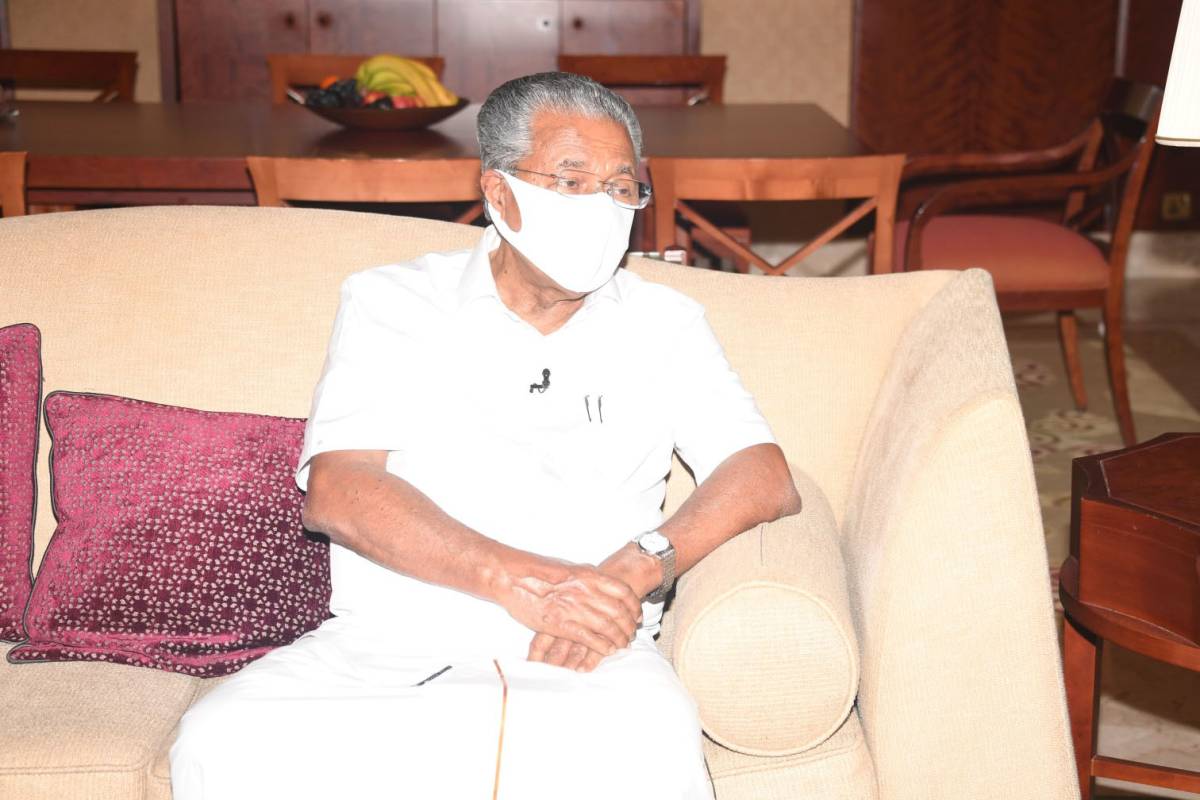
“Kerala-UAE relations are not something formal. It is a very close heart-to-heart to relationship,” Kerala Chief Minister Pinarayi Vijayan told Binsal Abdulkader in an exclusive interview

Chief Minister Pinarayi Vijayan said Kerilites have been loved here very much and they just reciprocate to it

The UAE and south Indian state of Kerala have “a very close heart-to-heart relationship,” the state’s Chief Minister Pinarayi Vijayan told the Emirates News Agency (WAM).

“Kerala-UAE relations are not something formal. It is a very close heart-to-heart to relationship. All top UAE officials whom I met here told me that Kerala and Keralites occupy a special place in their heart. I did not hear this touching comment from one official but from all,” said Vijayan, who is on a week-long official visit to the UAE.

In an exclusive interview with WAM in Dubai on Thursday, he added that the frank and friendly conversations offered by the Emirati officials in his meetings with them reiterated the deep relationship.
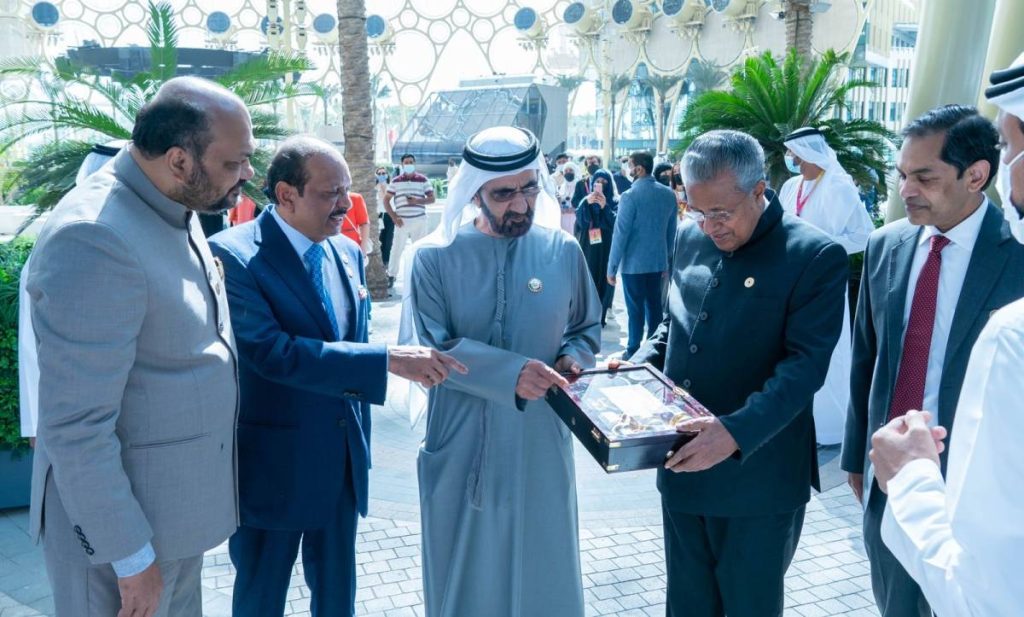
Sheikh Mohammed bin Rashid Al Maktoum, Vice President, Prime Minister and Ruler of Dubai, meets with Kerala Chief Minister Pinarayi Vijayan, at Expo 2020 Dubai

“They promised to support the developmental projects in Kerala. After all, they have always expressed their love and solidarity towards Kerala whenever the state is in need, especially when the devastating floods occurred in 2018 and 2019,” he said.

Why so many Keralites in UAE?

More than three million Indians constitute the largest expatriate community in the UAE; more than one million of them are Keralites, according to the Indian official.

“It was my privilege and honour to meet His Highness Sheikh Mohammed bin Rashid Al Maktoum, Vice President, Prime Minister and Ruler of Dubai, on Wednesday. He asked me why so many Keralites have made the UAE, especially Dubai, their second home. I told him Keralites love this country so much. They have been loved here very much and they just reciprocate to it,” Vijayan said.

Sheikh Mohammed met Vijayan at Expo 2020 Dubai, in the presence of H.H. Sheikh Maktoum bin Mohammed bin Rashid Al Maktoum, Deputy Ruler of Dubai, Deputy Prime Minister and Minister of Finance, and other Emirati and Indian officials.
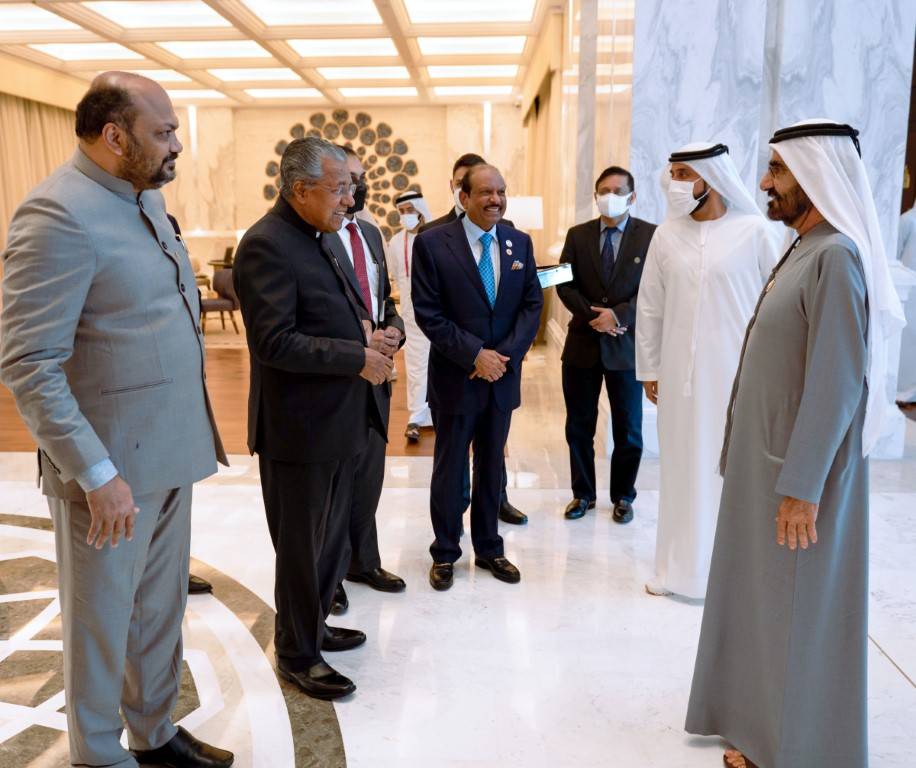
“As per the protocol, Sheikh Mohammed meets heads of state and government. Still, he was willing to meet [me], the head of a state government in India; it shows his special consideration for Kerala and Keralites. This proves his broadmindedness and magnanimity as a leader,” the Chief Minister said.

Indians well protected in UAE

Keralites have been part of this country’s journey towards development and progress, even before the formation of the UAE, he pointed out. “I am happy that His Highness Sheikh Mohamed and other top leaders acknowledge their contribution.”

“If you ask Indians, they will tell you that the UAE is a place where you can live without any concerns about safety and security. Nothing will change that perception.”

UAE is a living example of how to transform a country into a developed land from the scratches, the Chief Minister believes. “The [Emirati] leadership has a vision for progress and development. Any country that wants to progress, can take a leaf out of the UAE’s book.”

Kerala Week at Expo

The Chief Minister will inaugurate Kerala Week at the Indian Pavilion at Expo 2020 Dubai on Friday. He said the state will showcase its culture, heritage, unique products, tourism potential, investment and business opportunities.
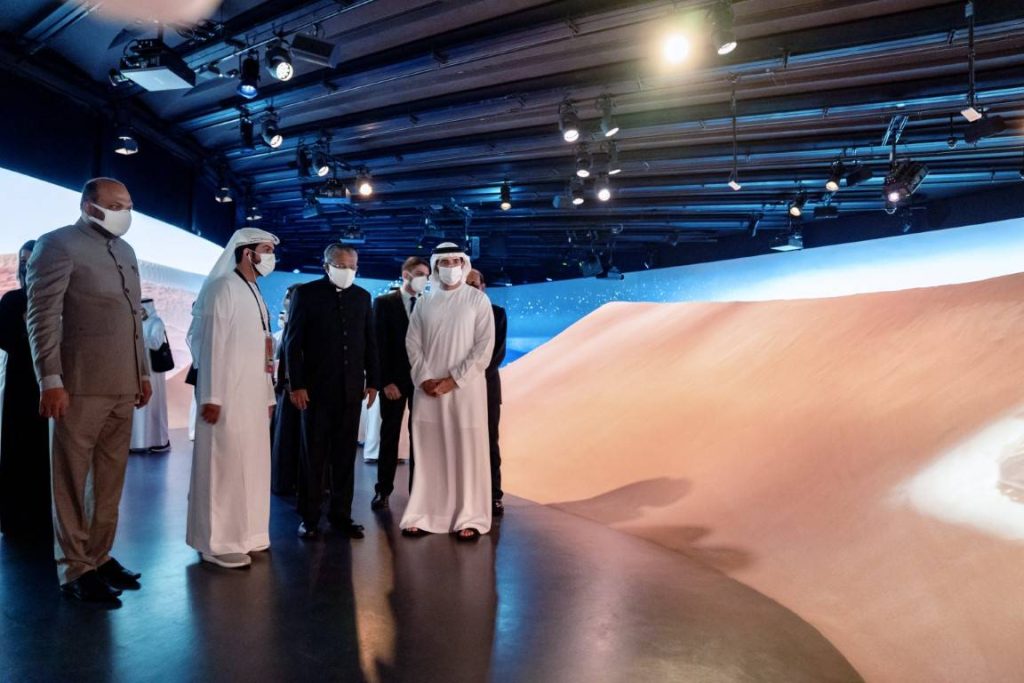
Pinarayi Vijayan visits UAE Pavilion at Expo 2020 along with Sheikh Hamdan bin Mohammed

“It is also a window for Kerala to reach out to the rest of the world,” he said.

UAE-India CEPA

The underway Comprehensive Economic Partnership (CEPA) between the UAE and India would benefit Kerala and Keralites, according to Vijayan.

“I am happy to see that with important agreements such as CEPA, India- UAE relations are going to new heights. Kerala will always contribute to such efforts to strengthen this historical relationship.”

Cooperation in railways, start-ups

The Chief Minister expects that his government would get support from the UAE Government for the flagship project K-Rail, a semi-highspeed rail project in Kerala. “We expect the UAE’s cooperation in the state’s plan to start COVID-19 vaccine manufacturing as well.”
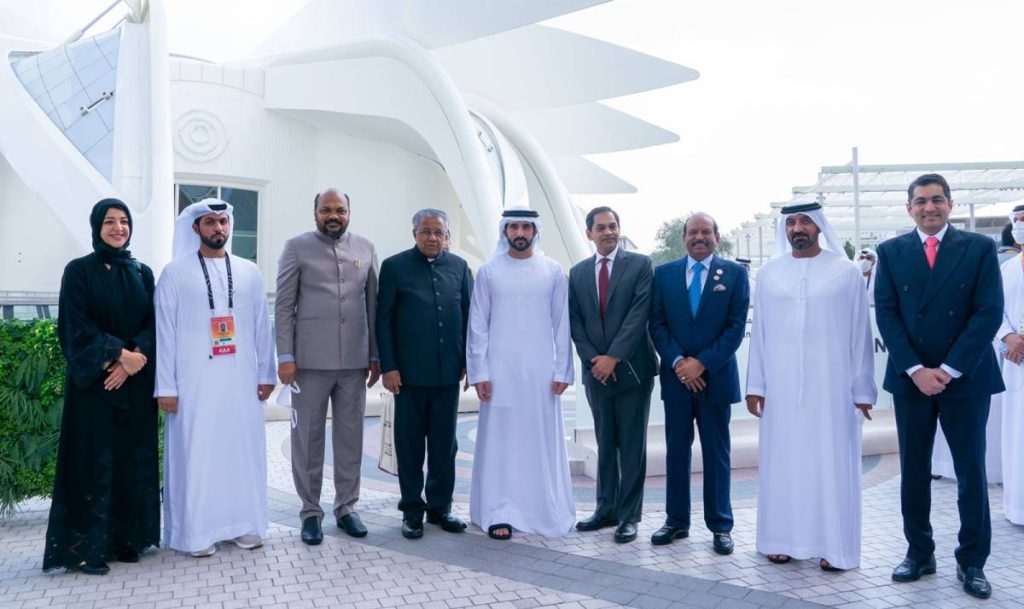
Sheikh Hamdan bin Mohammed meets with Pinarayi Vijayan, along with top Indian diplomats and community leaders

A delegation from Kerala to enhance cooperation with the UAE on start-ups will visit soon. “There is a huge cooperation potential in digital technologies as the UAE is a leader in this sector.”

Among his meetings in the UAE were with H.H. Sheikh Hamdan bin Mohammed bin Rashid Al Maktoum, Crown Prince of Dubai; Sheikh Nahyan bin Mubarak Al Nahyan, Minister of Tolerance and Coexistence; and Abdulla Mohammed Al Mazrui, Chairman of Abu Dhabi Chamber of Commerce and Industry.

ALSO READ: Kerala set to showcase business potential at Expo 2020
Newsdesk

Newsdesk

Aravind Rajeev is Deputy News Editor at Asian Lite, mostly covering the Middle East and GCC. He has over eight years of experience as a journalist, with a background in ground-level reporting, crime reporting, as well as international and regional news.

Previous Story

Turkey strikes Kurdish targets in Syria

Next Story

Israel, Bahrain sign security pact

Previous Story

Turkey strikes Kurdish targets in Syria

Next Story

Israel, Bahrain sign security pact

Latest from -Top News

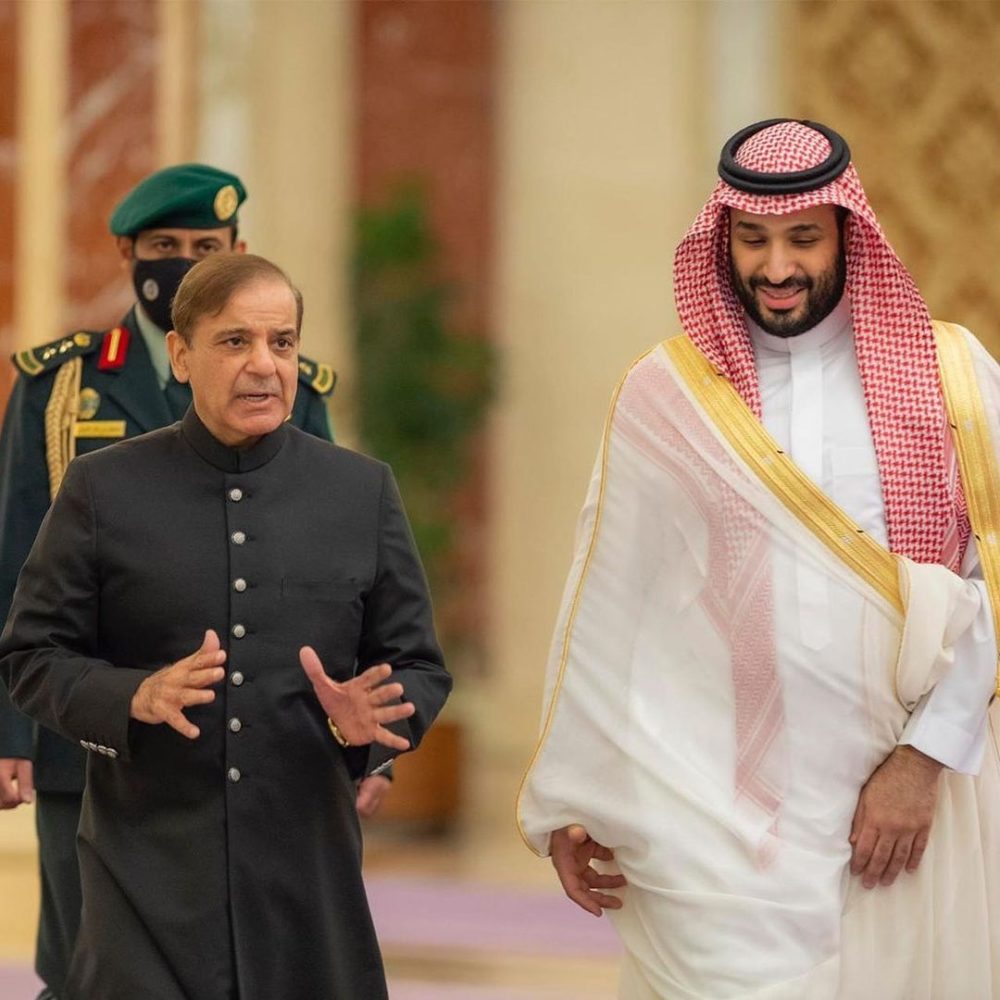
Pakistan Risks Overstretching Itself in Yemen War

Pakistan’s expanding military role in Saudi Arabia amid the Yemen conflict could strain its defence resources and fragile finances…reports Asian Lite News Desk Pakistan’s military involvement in the war in Yemen may prove unsustainable because of mounting financial pressures and competing security demands, according to a new report. Islamabad’s growing military presence in Saudi Arabia risks stretching its defence resources while exposing the country to greater strategic and economic challenges. An article by Andrew Wilson in One World Outlook describes Pakistan’s involvement as a case of “fiscal and strategic overreach”, arguing that the country lacks the financial flexibility to sustain an expanded military commitment. Pakistan’s external finances depend heavily on an International Monetary Fund (IMF) programme, financial support from Gulf countries and remittances from Pakistani workers in the region. The report argues that deeper military involvement in the conflict could place additional pressure on these sources of financial stability. It also warns that deploying troops and military equipment abroad could weaken Pakistan’s capacity to address security challenges along its eastern border and deal with two domestic insurgencies. The move could also draw Islamabad into a conflict it has sought to approach cautiously. A Reuters report in May, citing Pakistani security and government sources, said Islamabad had deployed around 8,000 troops, a squadron of approximately 16 aircraft, mostly JF-17 fighter jets, two drone squadrons and a Chinese HQ-9 air-defence battery to Saudi Arabia. According to those sources, Riyadh was financing the deployment, with Pakistani personnel operating the equipment. The sources also said a confidential agreement contemplated the possibility of deploying up to 80,000 troops. Islamabad has not confirmed those figures, although it has acknowledged its military presence in Saudi Arabia, including the deployment of fighter jets at King Abdulaziz Air Base from April. The One World Outlook article argues that Saudi financial support can cover allowances and operating expenses but cannot easily replace military equipment needed elsewhere or resolve the political and strategic challenges of participating in the Yemen conflict. Pakistan’s defence budget is another concern. For the 2026-27 financial year, the federal government allocated PKR 3 trillion, or approximately $10.8 billion, to defence services. The allocation represents an 18 per cent increase from the original PKR 2.55 trillion provision and amounts to around 2.1 per cent of projected gross domestic product (GDP). Defence spending accounts for approximately 16 per cent of the federal government’s PKR 18.8 trillion expenditure. Military pensions are budgeted separately at PKR 822 billion, while debt servicing costs stand at approximately PKR 8 trillion, more than two-and-a-half times the defence allocation. The report argues that these competing financial obligations leave little room for additional military expenditure without placing further pressure on public finances. Pakistan’s reliance on IMF assistance also limits its fiscal flexibility. The country must meet the conditions attached to the programme, including a primary budget surplus target of 2 per cent of GDP and continued restraint on development spending. According to the article, these requirements make it difficult for Islamabad to finance an additional military commitment without compromising other budgetary priorities. Pakistan’s economic indicators offer limited reassurance. Economic growth for the 2025-26 financial year is estimated at between 3.6 and 3.7 per cent, while inflation reached approximately 10.3 per cent in September following an energy price shock. Foreign exchange reserves stood at around $21.5 billion at the end of September. Although this marks an improvement from the low levels recorded in 2023, the report notes that the reserves cover only a few months of imports. Financial assistance from Gulf partners remains central to Pakistan’s external stability. The article says Islamabad holds approximately $8 billion in Saudi deposits at its central bank. In July, the State Bank of Pakistan said Riyadh had extended the maturity of $5 billion in deposits to December 2028, easing the country’s immediate external financing requirements. A further $3 billion deposit was also extended in the spring. However, the article argues that these arrangements provide temporary relief rather than long-term financial independence, particularly as regional conflict threatens the stability of the Gulf economies on which Pakistan relies. The report concludes that Pakistan faces a difficult balance between supporting Saudi Arabia militarily and preserving the financial and military resources needed to address its domestic and regional challenges.

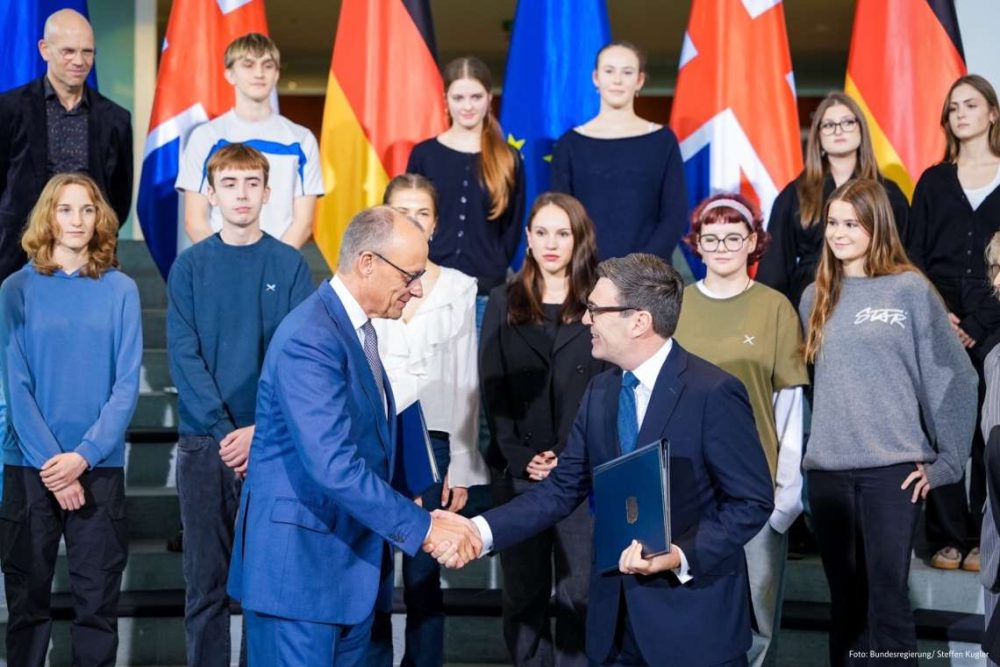
UK and Germany Ratify Kensington Treaty

Britain and Germany ratify the Kensington Treaty, agreeing new cooperation on AI, quantum research, defence and security while targeting investment, jobs and Russian hybrid threats…reports Asian Lite News Desk Britain and Germany

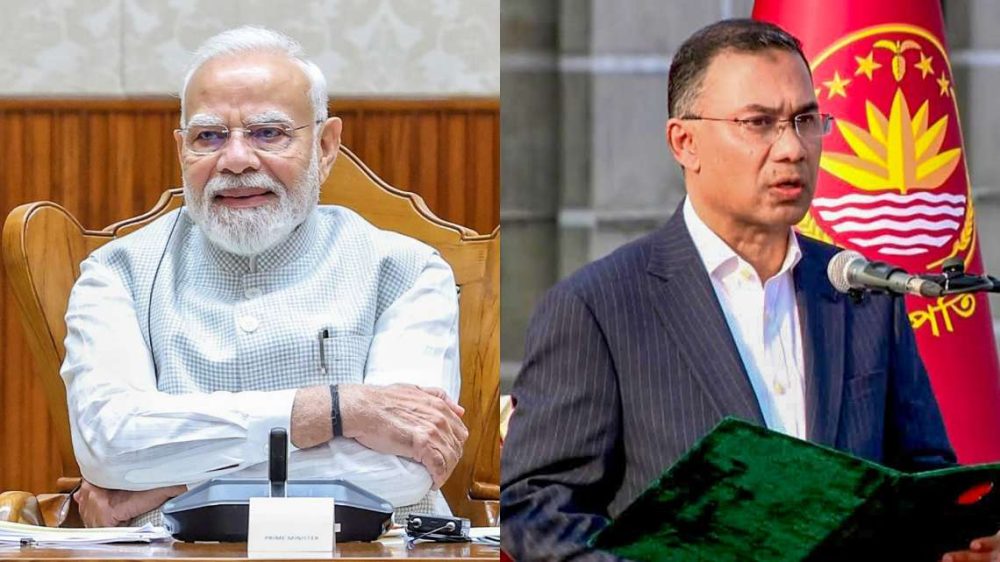
Economic tide is turning in Bangladesh

If there is one thing that can bring some comfort to the struggling Bangladeshi economy, it is good relations with India. Bangladesh should remember that Delhi’s backing, through easy supplies of essentials
Go toTop

Don't Miss

Dubai Mall Most Visited Place on Earth

Figures also showed a staggering 20 million people visited the

Abu Dhabi Gearing Up For Desert Challenge

The cars, buggies, bikes and quads assembling at Yas Marina