May 24, 2022
2 mins read

Boris pictured drinking at party during lockdown

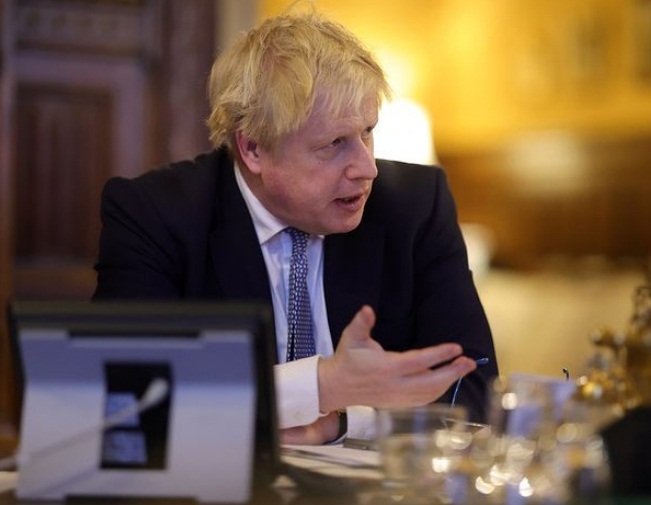
The photos, published by ITV News, show Johnson proposing a toast with a group of at least nine people next to a table with several bottles of alcohol and party food…reports Asian Lite News

Four photographs of Prime Minister Boris Johnson drinking at a Downing Street gathering when the UK was under lockdown have emerged just as his government braces for the release of a report into the so-called Partygate scandal.

The photos, published by ITV News, show Johnson proposing a toast with a group of at least nine people next to a table with several bottles of alcohol and party food. The pictures were taken at an event for Johnson’s former communications chief Lee Cain on Nov. 13, 2020, ITV said.  

While Johnson wasn’t fined for this particular event, it adds to a long-running scandal that’s overshadowed his administration for months and almost ended his political career. Civil servant Sue Gray, who led an internal probe into the events, is due to hand her full findings to Johnson for publication this week.

London’s Metropolitan Police closed its criminal investigation into the saga last week, fining Johnson and Chancellor of the Exchequer Rishi Sunak for just one out of at least eight illegal events. The police issued 126 fines to 83 people in total.

“The Cabinet Office and the Met Police have had access to all information relevant to their investigations, including photographs,” 10 Downing Street said in a statement. “The Met have concluded their investigation and Sue Gray will publish her report in the coming days, at which point the Prime Minister will address Parliament in full.”

The photos appear to undermine some of Johnson’s previous statements about the partygate saga. In December, Johnson said in the House of Commons that “all guidance was followed completely in No 10.” When asked specifically about the November leaving do, he said “whatever happened the guidance… and the rules were followed at all times.”

Making deliberately misleading statements to Parliament is a breach of the ministerial code and considered a cause for resignation. Johnson faces a separate parliamentary investigation into whether he has lied about the law-breaking scandal and that inquiry will begin once the Gray findings are published.

The major political question is whether the emergence of the photos will spark a fresh wave of Tory MPs calling for Johnson to step down. Four Conservative MPs, speaking on condition of anonymity, predicted Johnson would be okay. Two others said the photos will create problems for the prime minister.

Steve Baker, who called on Johnson to resign in April, tweeted an emotive advert run by the National Health Service during the pandemic, which showed a patient receiving ventilation with the words: “Look her in the eyes and tell her you never bend the rules.”

“Boris Johnson said repeatedly that he knew nothing about law-breaking – there’s no doubt now, he lied,” said Angela Rayner, deputy leader for the opposition Labour party.

ALSO READ-Pummeled Ukraine rules out cease-fire

Previous Story

Nawazuddin gets award for Excellence in Cinema

Next Story

Shehbaz under pressure to call elections

Previous Story

Nawazuddin gets award for Excellence in Cinema

Next Story

Shehbaz under pressure to call elections

Latest from -Top News

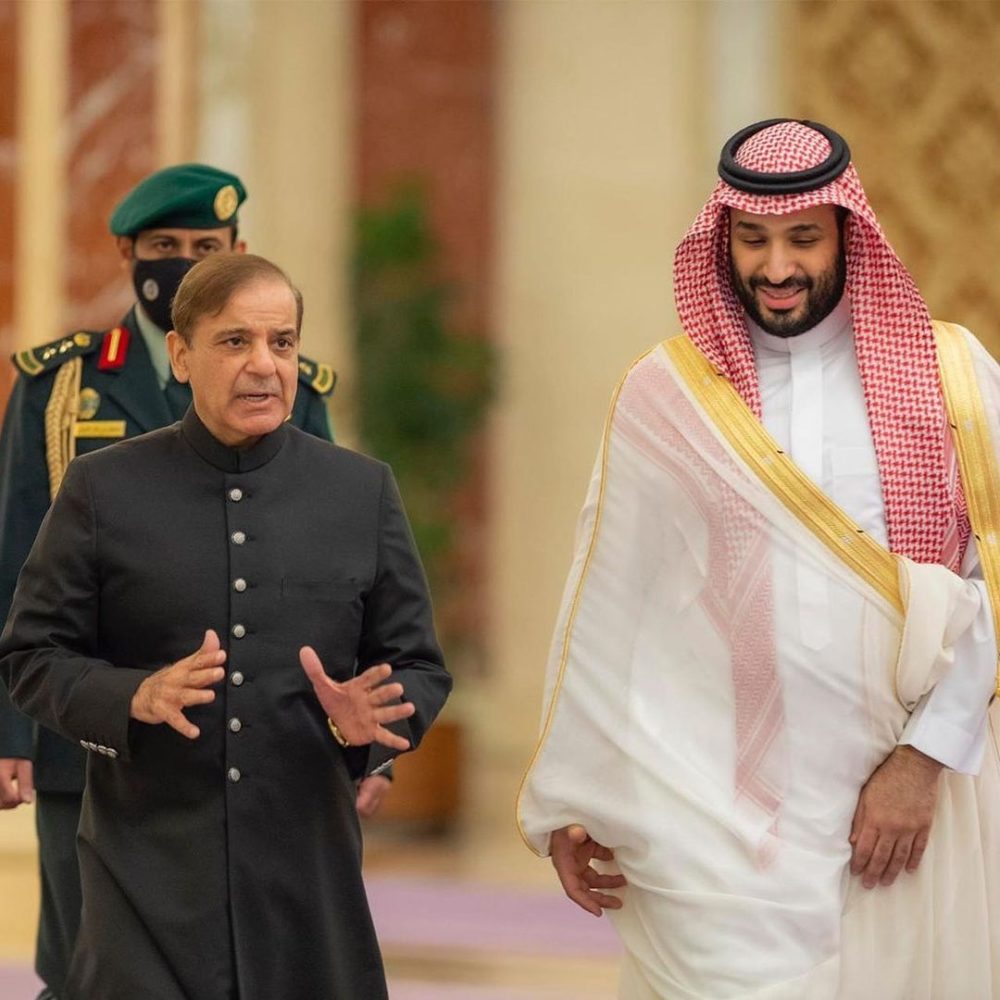
Pakistan Risks Overstretching Itself in Yemen War

Pakistan’s expanding military role in Saudi Arabia amid the Yemen conflict could strain its defence resources and fragile finances…reports Asian Lite News Desk Pakistan’s military involvement in the war in Yemen may prove unsustainable because of mounting financial pressures and competing security demands, according to a new report. Islamabad’s growing military presence in Saudi Arabia risks stretching its defence resources while exposing the country to greater strategic and economic challenges. An article by Andrew Wilson in One World Outlook describes Pakistan’s involvement as a case of “fiscal and strategic overreach”, arguing that the country lacks the financial flexibility to sustain an expanded military commitment. Pakistan’s external finances depend heavily on an International Monetary Fund (IMF) programme, financial support from Gulf countries and remittances from Pakistani workers in the region. The report argues that deeper military involvement in the conflict could place additional pressure on these sources of financial stability. It also warns that deploying troops and military equipment abroad could weaken Pakistan’s capacity to address security challenges along its eastern border and deal with two domestic insurgencies. The move could also draw Islamabad into a conflict it has sought to approach cautiously. A Reuters report in May, citing Pakistani security and government sources, said Islamabad had deployed around 8,000 troops, a squadron of approximately 16 aircraft, mostly JF-17 fighter jets, two drone squadrons and a Chinese HQ-9 air-defence battery to Saudi Arabia. According to those sources, Riyadh was financing the deployment, with Pakistani personnel operating the equipment. The sources also said a confidential agreement contemplated the possibility of deploying up to 80,000 troops. Islamabad has not confirmed those figures, although it has acknowledged its military presence in Saudi Arabia, including the deployment of fighter jets at King Abdulaziz Air Base from April. The One World Outlook article argues that Saudi financial support can cover allowances and operating expenses but cannot easily replace military equipment needed elsewhere or resolve the political and strategic challenges of participating in the Yemen conflict. Pakistan’s defence budget is another concern. For the 2026-27 financial year, the federal government allocated PKR 3 trillion, or approximately $10.8 billion, to defence services. The allocation represents an 18 per cent increase from the original PKR 2.55 trillion provision and amounts to around 2.1 per cent of projected gross domestic product (GDP). Defence spending accounts for approximately 16 per cent of the federal government’s PKR 18.8 trillion expenditure. Military pensions are budgeted separately at PKR 822 billion, while debt servicing costs stand at approximately PKR 8 trillion, more than two-and-a-half times the defence allocation. The report argues that these competing financial obligations leave little room for additional military expenditure without placing further pressure on public finances. Pakistan’s reliance on IMF assistance also limits its fiscal flexibility. The country must meet the conditions attached to the programme, including a primary budget surplus target of 2 per cent of GDP and continued restraint on development spending. According to the article, these requirements make it difficult for Islamabad to finance an additional military commitment without compromising other budgetary priorities. Pakistan’s economic indicators offer limited reassurance. Economic growth for the 2025-26 financial year is estimated at between 3.6 and 3.7 per cent, while inflation reached approximately 10.3 per cent in September following an energy price shock. Foreign exchange reserves stood at around $21.5 billion at the end of September. Although this marks an improvement from the low levels recorded in 2023, the report notes that the reserves cover only a few months of imports. Financial assistance from Gulf partners remains central to Pakistan’s external stability. The article says Islamabad holds approximately $8 billion in Saudi deposits at its central bank. In July, the State Bank of Pakistan said Riyadh had extended the maturity of $5 billion in deposits to December 2028, easing the country’s immediate external financing requirements. A further $3 billion deposit was also extended in the spring. However, the article argues that these arrangements provide temporary relief rather than long-term financial independence, particularly as regional conflict threatens the stability of the Gulf economies on which Pakistan relies. The report concludes that Pakistan faces a difficult balance between supporting Saudi Arabia militarily and preserving the financial and military resources needed to address its domestic and regional challenges.
Go toTop

Don't Miss

Govt looking at options to end lockdown on June 21

The British government is facing increasing pressure to delay the

Is Boris running out of time?

Should Johnson lose a confidence vote, he would be removed