June 7, 2022
3 mins read

LAME DUCK PM

The result of the confidence vote means Johnson secured the backing of 59% of his lawmakers, lower than the support given to his predecessor Theresa May in a confidence vote she faced in 2018…reports Asian Lite News

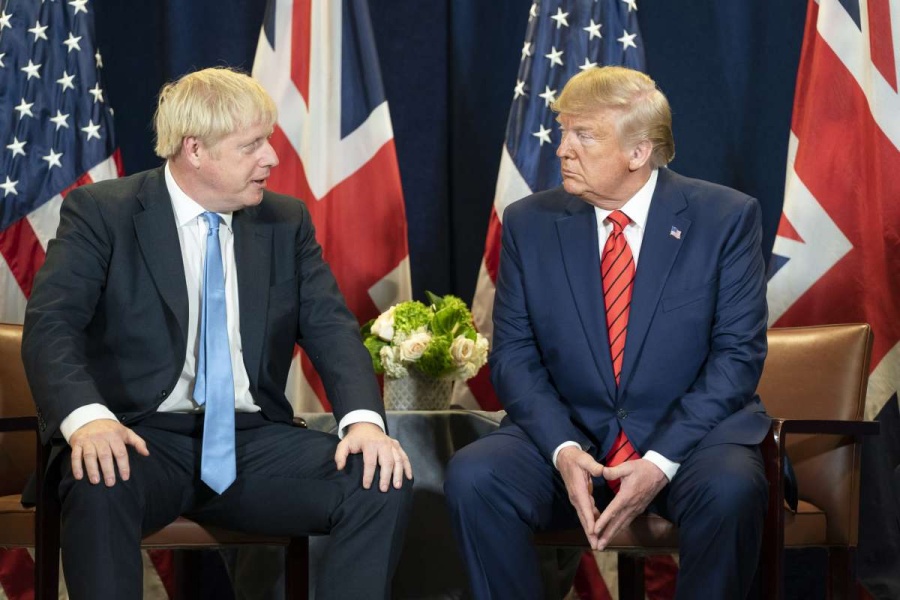
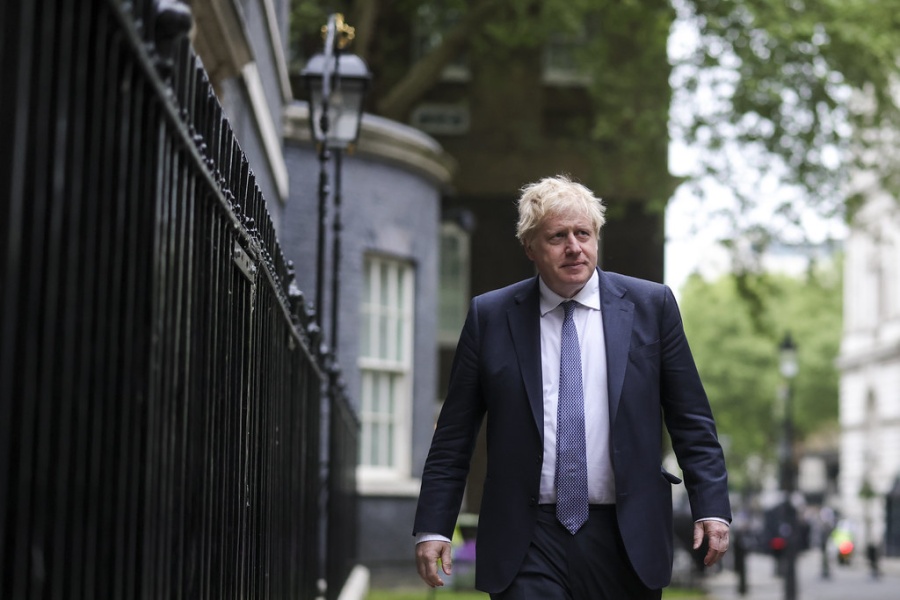
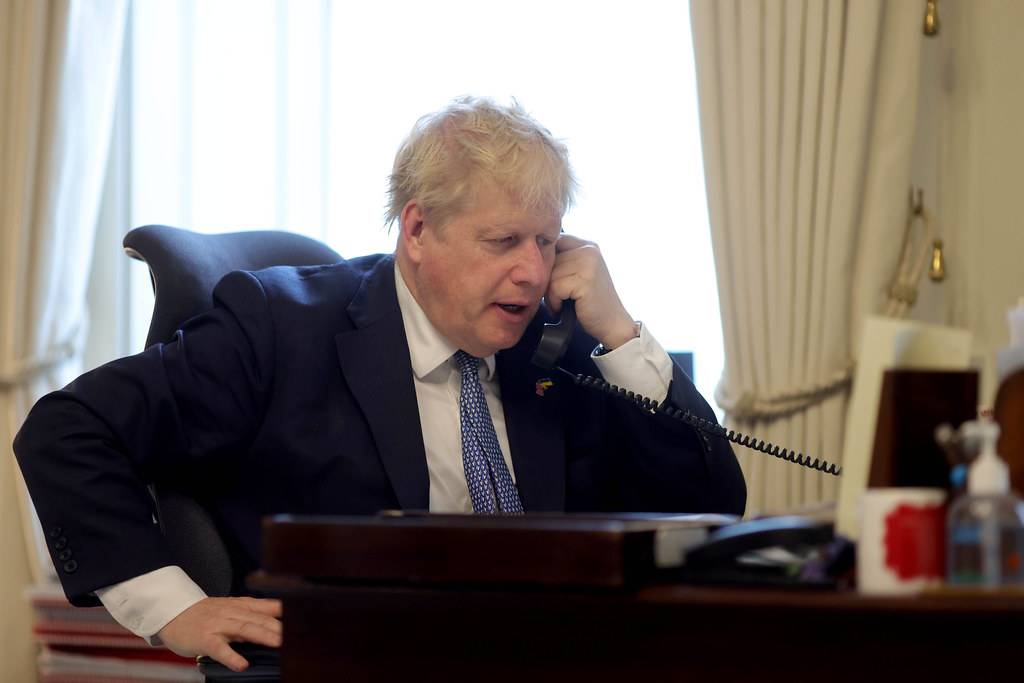
Prime Minister Boris Johnson survived a confidence vote on Monday but a rebellion by 148 of his 359 Conservative Party lawmakers dealt a serious blow to his authority.

A majority of the Conservatives’ lawmakers – at least 180 – would have had to vote against Johnson for him to be removed.

The result means Johnson secured the backing of 59% of his lawmakers, lower than the support given to his predecessor Theresa May in a confidence vote she faced in 2018.

Having scored a sweeping election victory in 2019, the prime minister has been under mounting pressure after he and staff held alcohol-fuelled parties in his Downing Street office and residence when Britain was under strict Covid-19 lockdowns.

Such is the anger that the party triggered a challenge, forcing an anonymous vote of confidence in a leader who had once seemed unassailable.

The move led to lawmakers from different wings of the party revealing that they had turned against their leader. One former ally accused the prime minister of insulting both the electorate and the party by staying in power.

“You have presided over a culture of casual law-breaking at 10 Downing Street in relation to Covid,” Jesse Norman, a former junior minister, said before the vote.

Johnson’s anti-corruption chief John Penrose also quit.

Dozens of Conservative lawmakers have voiced concern that Johnson, 57, could be losing his authority to govern Britain, which is facing the risk of recession, rising fuel and food prices and strike-inflicted travel chaos in the capital London.

But his cabinet of leading ministers rallied around him and highlighted what they said were the successes of the government: a quick rollout of Covid-19 vaccinations and Britain’s response to Russia’s invasion of Ukraine.

“I think it’s an extremely good, positive, conclusive, decisive result which enables us to move on, to unite and to focus on delivery and that is exactly what we are going to do,” said Johnson shortly after the result was out.

“What this means tonight is that we can focus on what we’re doing to help people on the cost of living, with what we are doing to keep streets and communities safer,” he said.

“It gives us the chance to unite, strengthen and level up our economy. What we are going to do now is to take the opportunity to unite and deliver,” he added.

Despite Johnson’s survival in the vote, his political rivals took a shot at the turmoil within the Conservative Party as the 148 votes against him meant more than 40 percent of the Conservative lawmakers wanted him to go.

“The choice is clearer than ever before. Divided Tories propping up Boris Johnson with no plan to tackle the issues you are facing. Or a united Labour Party with a plan to fix the cost of living crisis and restore trust in politics. Labour will get Britain back on track,” tweeted Keir Starmer, leader of the main opposition Labour Party.

Liberal Democrat leader Ed Davey said: “Whilst Boris Johnson has clung on today – make no mistake, his reputation is in tatters and his authority is now totally shot.”

“Every Conservative MP who cares about integrity and decency must do the right thing, resign the whip and sit as an independent. For the sake of our country, this failing Prime Minister cannot be propped up any longer,” he said.

ALSO READ-Boris Survives Trust Vote

Previous Story

US-based alumnus gifts $1 million to BHU

Next Story

NHS clinical trial being launched in India for new Covid drugs

Previous Story

US-based alumnus gifts $1 million to BHU

Next Story

NHS clinical trial being launched in India for new Covid drugs

Latest from -Top News

Pakistan Risks Overstretching Itself in Yemen War

Pakistan’s expanding military role in Saudi Arabia amid the Yemen conflict could strain its defence resources and fragile finances…reports Asian Lite News Desk Pakistan’s military involvement in the war in Yemen may prove unsustainable because of mounting financial pressures and competing security demands, according to a new report. Islamabad’s growing military presence in Saudi Arabia risks stretching its defence resources while exposing the country to greater strategic and economic challenges. An article by Andrew Wilson in One World Outlook describes Pakistan’s involvement as a case of “fiscal and strategic overreach”, arguing that the country lacks the financial flexibility to sustain an expanded military commitment. Pakistan’s external finances depend heavily on an International Monetary Fund (IMF) programme, financial support from Gulf countries and remittances from Pakistani workers in the region. The report argues that deeper military involvement in the conflict could place additional pressure on these sources of financial stability. It also warns that deploying troops and military equipment abroad could weaken Pakistan’s capacity to address security challenges along its eastern border and deal with two domestic insurgencies. The move could also draw Islamabad into a conflict it has sought to approach cautiously. A Reuters report in May, citing Pakistani security and government sources, said Islamabad had deployed around 8,000 troops, a squadron of approximately 16 aircraft, mostly JF-17 fighter jets, two drone squadrons and a Chinese HQ-9 air-defence battery to Saudi Arabia. According to those sources, Riyadh was financing the deployment, with Pakistani personnel operating the equipment. The sources also said a confidential agreement contemplated the possibility of deploying up to 80,000 troops. Islamabad has not confirmed those figures, although it has acknowledged its military presence in Saudi Arabia, including the deployment of fighter jets at King Abdulaziz Air Base from April. The One World Outlook article argues that Saudi financial support can cover allowances and operating expenses but cannot easily replace military equipment needed elsewhere or resolve the political and strategic challenges of participating in the Yemen conflict. Pakistan’s defence budget is another concern. For the 2026-27 financial year, the federal government allocated PKR 3 trillion, or approximately $10.8 billion, to defence services. The allocation represents an 18 per cent increase from the original PKR 2.55 trillion provision and amounts to around 2.1 per cent of projected gross domestic product (GDP). Defence spending accounts for approximately 16 per cent of the federal government’s PKR 18.8 trillion expenditure. Military pensions are budgeted separately at PKR 822 billion, while debt servicing costs stand at approximately PKR 8 trillion, more than two-and-a-half times the defence allocation. The report argues that these competing financial obligations leave little room for additional military expenditure without placing further pressure on public finances. Pakistan’s reliance on IMF assistance also limits its fiscal flexibility. The country must meet the conditions attached to the programme, including a primary budget surplus target of 2 per cent of GDP and continued restraint on development spending. According to the article, these requirements make it difficult for Islamabad to finance an additional military commitment without compromising other budgetary priorities. Pakistan’s economic indicators offer limited reassurance. Economic growth for the 2025-26 financial year is estimated at between 3.6 and 3.7 per cent, while inflation reached approximately 10.3 per cent in September following an energy price shock. Foreign exchange reserves stood at around $21.5 billion at the end of September. Although this marks an improvement from the low levels recorded in 2023, the report notes that the reserves cover only a few months of imports. Financial assistance from Gulf partners remains central to Pakistan’s external stability. The article says Islamabad holds approximately $8 billion in Saudi deposits at its central bank. In July, the State Bank of Pakistan said Riyadh had extended the maturity of $5 billion in deposits to December 2028, easing the country’s immediate external financing requirements. A further $3 billion deposit was also extended in the spring. However, the article argues that these arrangements provide temporary relief rather than long-term financial independence, particularly as regional conflict threatens the stability of the Gulf economies on which Pakistan relies. The report concludes that Pakistan faces a difficult balance between supporting Saudi Arabia militarily and preserving the financial and military resources needed to address its domestic and regional challenges.
Go toTop

Don't Miss

Boris back in London to launch leadership bid

Boris Johnson was forced to step down on July 7

Boris facing lawsuit for backing Priti Patel

Johnson decreed Patel hadn’t breached the ministerial code even after