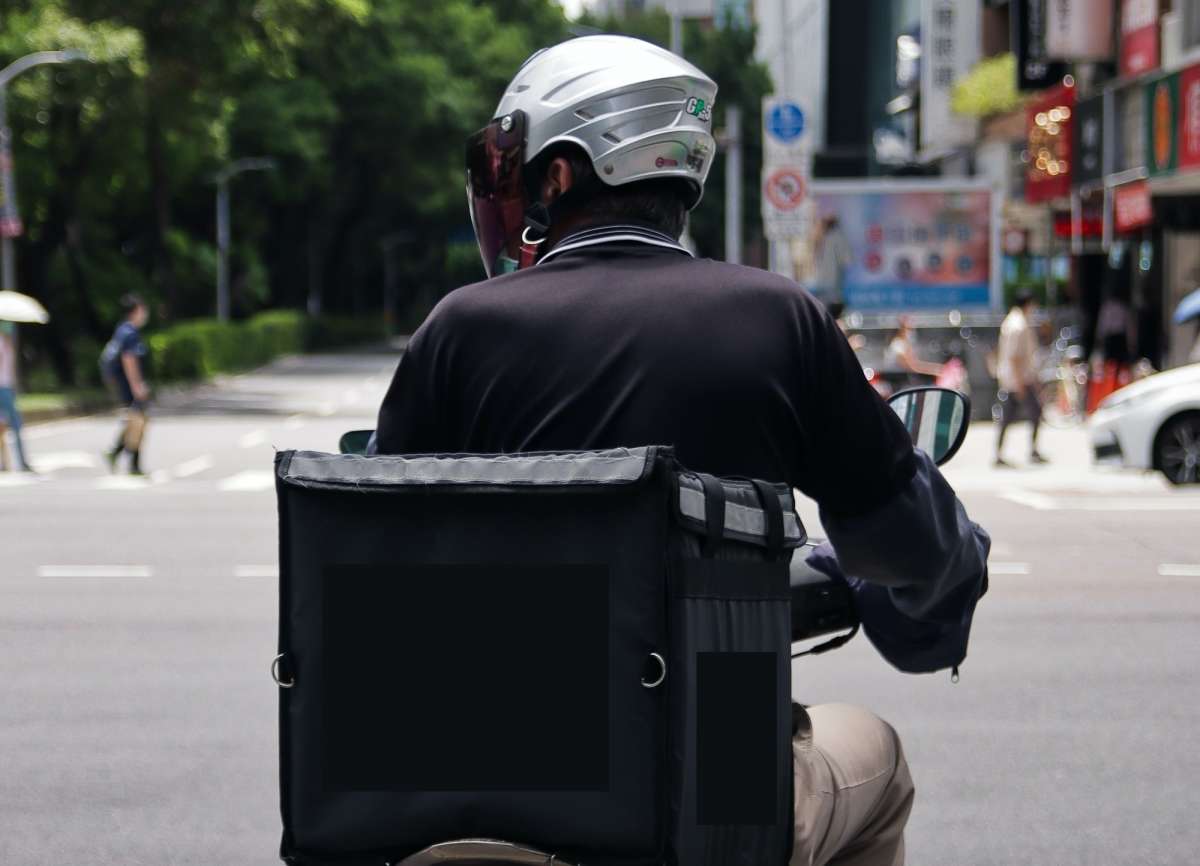
In terms of job roles, door delivery is the most prevalent gig role employers are hiring for currently — 22 per cent for food and 26 per cent for other deliveries, according to a recent study by leading job portal Indeed…reports Asian Lite News
With a spurt in online food and grocery delivery, especially in the pandemic years, India saw a meteoric rise in the gig economy, giving millions of people job opportunities.
However, delivering hot and piping food at customers’ doorsteps has become a nightmare for many of them as the food delivery business turns out to be a losing game while more and more delivery partners report unfair work conditions, pay disparity, and harassment.
India is likely to see its gig workforce add 9-11 million jobs by 2025, which has been one of the most pivotal economic shifts in a long time.
In terms of job roles, door delivery is the most prevalent gig role employers are hiring for currently — 22 per cent for food and 26 per cent for other deliveries, according to a recent study by leading job portal Indeed.
According to reports, a typical delivery boy’s salary is Rs 15,000 per month. Delivery Boy salaries at Zomato and Swiggy can range from Rs 4,804-Rs 30,555 per month depending on which area they are working in.
Gig workers are freelancers or contractors who work independently, typically on a short-term basis for multiple clients. Their work may be project-based, hourly, or part-time.
However, when it comes to fair work for gig workers among the digital platform economy in India, Zomato, Swiggy, and quick-grocery delivery providers Dunzo and Zepto are among the worst performers across parameters related to the working conditions of gig workers, according to the latest ‘Fairwork India Ratings 2022 Report’.
According to professor Balaji Parthasarathy, one of the principal investigators of the team, these findings are alarming for all stakeholders — government, consumers and platform owners — and they should come together to help gig workers get the best working conditions.
“We would like the government and other stakeholders like consumers and digital labour platform owners to take note of these findings and ensure a better work environment for millions of gig workers in 2023,” Parthasarathy said.
The Fairwork India team was spearheaded by the Centre for IT and Public Policy (CITAPP), International Institute of Information Technology Bangalore (IIIT-B), in association with Oxford University in the UK.
Even with workers and worker groups repeatedly emphasising the importance of a stable income for platform workers, platforms have been reluctant to publicly commit to, and operationalise, a minimum wage policy.
“Secondly, while workers have engaged in various forms of collective action to voice their concerns in the platform economy, platforms have been uncompromisingly unwilling to recognise or negotiate with any collective body representing workers,” the findings showed.
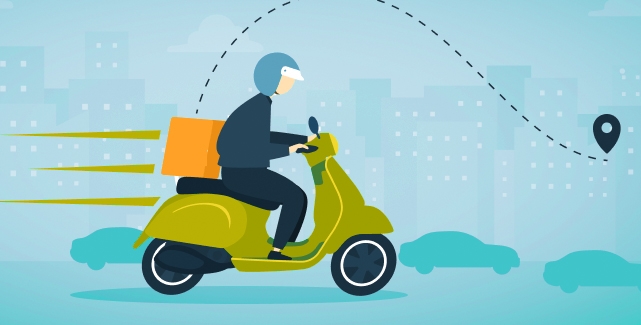
According to the report, the promise of flexibility of the digital platform economy raises as many questions about livelihoods as it offers opportunities.
“We hope the report provides the basis for an interpretation of flexibility that allows for not merely the adaptability that platforms seek, but also the income and social security that workers lack,” said Parthasarathy and Janaki Srinivasan, the Principal Investigators of the team.
The biggest barriers for gig workers are lack of access to job information (62 per cent), not knowing English (32 per cent), and not knowing the local language (10 per cent) for workers who have shifted outside of their home town for work.
Challenges in language also result in other difficulties with 14 per cent of the gig workforce respondents reporting a lack of awareness of their jobs’ skills and abilities, according to Indeed study.
Nearly three out of five gig workers (59 per cent) find their jobs uncomfortable (46 per cent), if not hard and risky (13 per cent).
The government has also cracked a whip on online food aggregators in the recent past.
Last year, the Competition Commission of India (CCI) ordered a thorough investigation into the conduct of online food delivery platforms Zomato and Swiggy over alleged involvement in delayed payment cycle and exorbitant commissions.
Following a complaint from the National Restaurant Association of India (NRAI), the CCI said that it is of the view that there exists a prima facie case with respect to some of the conduct of Zomato and Swiggy, “which requires an investigation by the Director General (DG), to determine whether the conduct of platforms have resulted in contravention of the provisions”.
The NRAI had alleged that the commissions that are charged from restaurants are “unviable” and “are to the tune of 20 per cent to 30 per cent, which are extremely exorbitant”.
The Department of Consumer Affairs also asked online food business operators to improve their consumer grievance redressal mechanism amid rising complaints from customers.
The Delhi High Court last month postponed the hearing on petitions to April 12, filed by restaurant associations contesting the rules that forbid hotels and restaurants from automatically adding a service charge to meal bills.
The Central Consumer Protection Authority (CCPA), under the Department of Consumer Affairs, released the rules last year, and the high court stayed them.
The CCPA has sought dismissal of pleas and said in its affidavit that the petitioners have totally failed to appreciate the rights of the consumers by adopting an unfair method, which is unlawful as no service is separately provided to consumers.