Migrants are integral to Punjab’s economy, contributing to sectors such as agriculture, steel, sugar, brick kilns, and construction with their skills, availability, and willingness to work at lower wages. …writes Pritpal Singh
A social media post recently took entire Punjab region by storm, spreading like wildfire and prompting a cascade of reactions that ranged from curiosity and concern to deep contemplation. The post showcased a striking image: a throng of people, drawn like moths to a flame, congregating around a food stall manned by migrants, while a local Sardarji’s stall remained comparatively quiet. This unexpected sight stirred up a tempest of controversy and inflamed dialogue, with radical elements raising the cry “bhaiya bhajao, Punjab bachao” (dismiss the outsiders, save Punjab). Yet, amid the clamor of divisive voices, a calm, unifying note rang out. The owner of the less busy stall, exhibiting remarkable grace and wisdom, stated, “jo mehnat karega, agge vadega” (one who toils shall progress), adding, “Jida khaana swaad houga, othe hi lok aaunge” (wherever the food is delicious, that’s where people will gather). These eloquent words momentarily cleared the fog of controversy around migrant workers in Punjab, emphasizing that merit, hard work, and quality will always prevail over divisive rhetoric.
It is vital to recognize the significant contributions of migrant workers to Punjab’s economic growth, especially those who misuse social media platforms to incite hatred. Despite their own hurdles, these individuals have been instrumental in strengthening the region’s economy, particularly at times when a considerable number of Punjabis, especially the youth, have migrated westward. Moreover, Punjab has been wrestling with drug abuse issues, a crisis exacerbated by Pakistan.
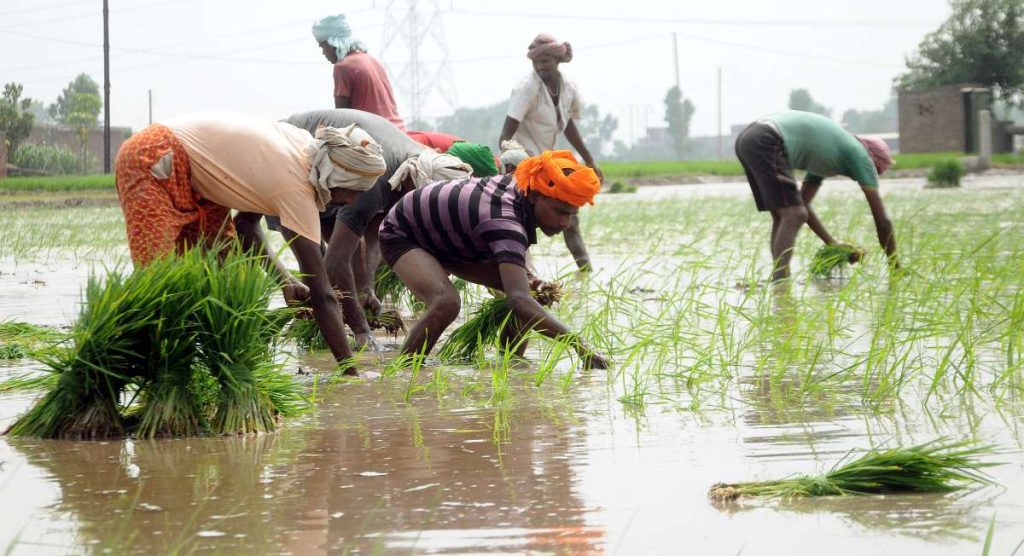
Importantly, the rural economy of Punjab underwent a transformative shift toward prosperity with the onset of the Green Revolution in the mid-sixties. This agricultural transformation, fueled by technological and farming advancements, catalyzed an increase in agricultural production, generating opportunities for both locals and migrants. The influx of migrants from states like Uttar Pradesh and Bihar breathed new life into the agricultural sector, enhancing its growth and development.
In the 1960s and 1970s, Punjab’s agricultural sector accounted for approximately 53% of the state’s domestic product, a figure that rose to 54.27% by 1970-71. This growth, propelled by high-yield seeds and improved irrigation, created a substantial demand for labor, requiring 502.85 million labor man-days in 1985-86. With the local population migrating westward, migrant labor became vital for intensive farming, despite social tensions, increased crime, cultural concerns, and drug-related issues. Yet, despite these challenges, 71% of farmers preferred migrant laborers due to their availability, quality work, and lower wages.
Contrary to separatists’ claims, data indicates that most migrants do not intend to settle in Punjab permanently. Indeed, a surprising 77% of married respondents reported living in Punjab without their spouses and children. This somber reality emphasizes the financial pressures that drive migrants to Punjab, as they strive to better the lives of their loved ones back home. Their presence in Punjab is primarily motivated by financial necessities rather than a desire to sever ties with their roots, as evidenced by their remittance practices.
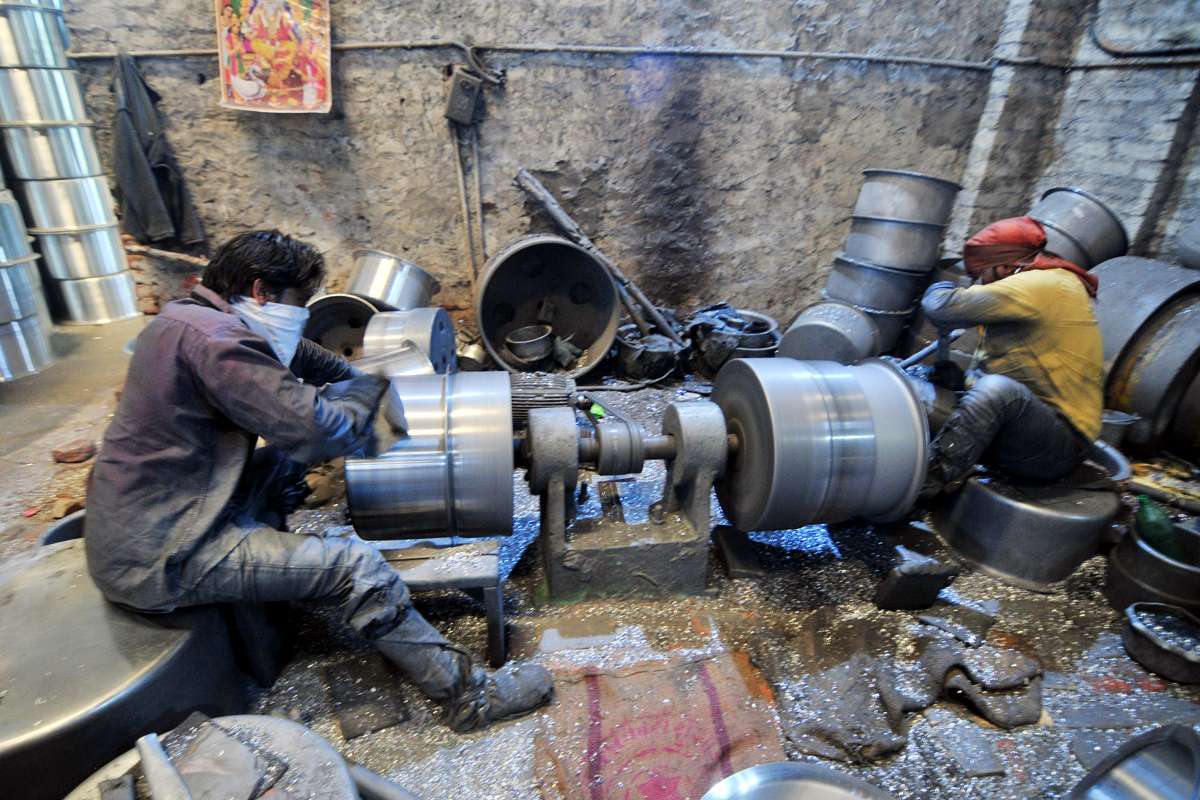
Migrants’ impact on Punjab’s economy extends well beyond agriculture. Many have transitioned to the industrial sector, attracted by the promise of stable salaries and additional benefits. Mandi Gobindgarh, famously known as Punjab’s “Steel City,” is a prime example where migrants have been instrumental. However, the past decade has seen the closure of 150 industrial units, leading to the loss of 14,000 jobs, with migrants accounting for 56% of those affected.
Additionally, migrants have significantly contributed to other sectors such as sugar production, brick kilns, and construction. Their availability, skills, and lower wage demands have proven invaluable to these industries, where the seasonal nature of work deters local laborers.
In a twist of irony, during the farmers’ protests, slogans echoed calls for “Kisan-Majdoor Ekta Zindabad” (Long live the unity of farmers and laborers). However, with the repeal of the farm laws, separatists and radicals have turned their attention to the migrant “Majdoor” who actively participated in the protests. This shift in narrative uncovers the opportunistic strategies of certain factions that exploit situations to further their divisive agenda.
Migrants are integral to Punjab’s economy, contributing to sectors such as agriculture, steel, sugar, brick kilns, and construction with their skills, availability, and willingness to work at lower wages. The recent vilification of migrants by separatists and radicals, despite their active participation in the farmers’ protests, underlines the need for unity and inclusivity. Acknowledging the immense value that migrants bring to Punjab’s economic tapestry is essential for cultivating a harmonious and prosperous society.