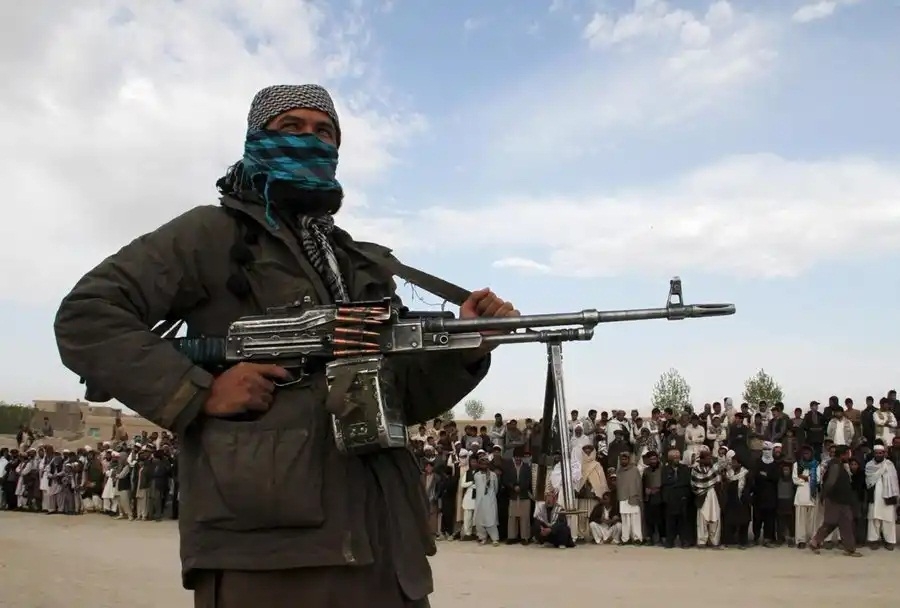
Under the Taliban, Sikhs and Hindus have faced severe restrictions, including on their appearances, and have been banned from marking their religious holidays in public, leaving many with no choice but to escape their homeland.
When Kabul fell to the Taliban in 2021, there were concerns that some of Afghanistan’s tiny non-Muslim minorities could vanish. Two years on, those fears are becoming realised a media report said.
While Afghanistan’s last-known Jew fled the country shortly after the Taliban takeover, the Sikh and Hindu communities are believed to have shrunk to just a handful of families, RFE/RL reported.
Under the Taliban, Sikhs and Hindus have faced severe restrictions, including on their appearances, and have been banned from marking their religious holidays in public, leaving many with no choice but to escape their homeland, RFE/RL reported.
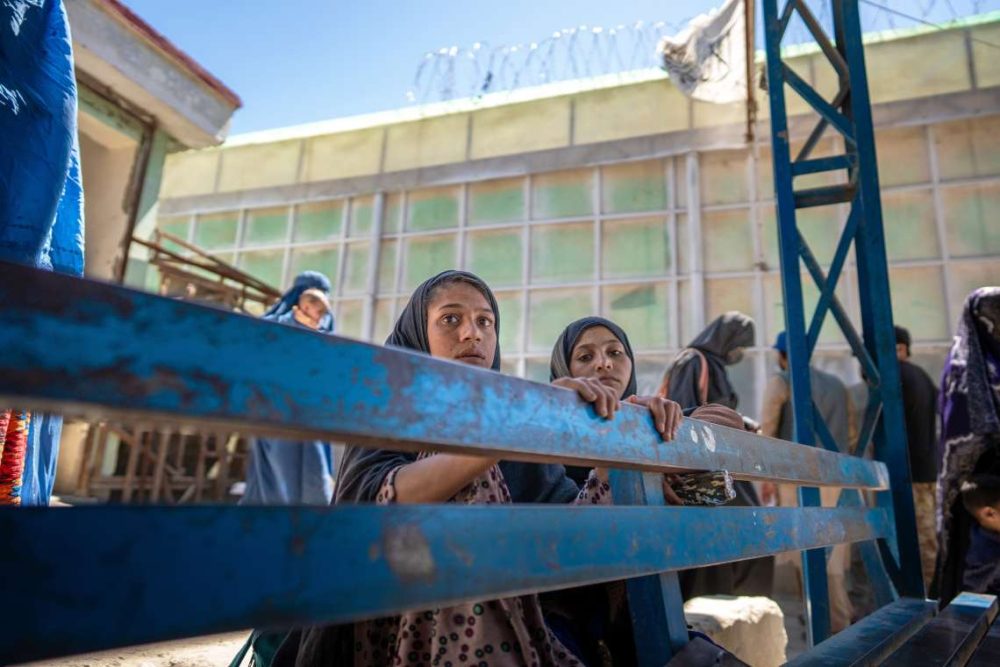
“I cannot go anywhere freely,” Fari Kaur, one of the last remaining Sikhs in the capital, Kabul said.
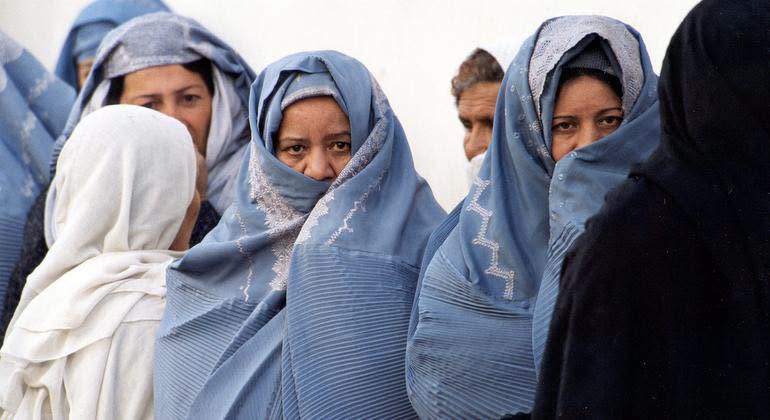
“When I go out, I’m forced to dress like a Muslim so that I can’t be identified as a Sikh,” she said, in reference to the Taliban’s order that all women must wear the all-encompassing burqa or niqab.
Kaur’s father was killed in a suicide attack targeting Sikhs and Hindus in the eastern city of Jalalabad in 2018.
The attack reportedly led as many as 1,500 Sikhs to leave the country, including Kaur’s mother and sisters.
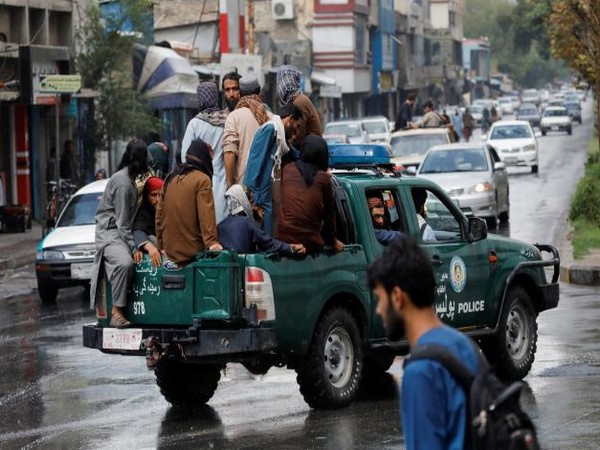
But Kaur refused to leave and stayed in Kabul to fulfil her father’s dream that she finish school, the RFE/RL report said.
In March 2020, 25 worshipers were killed when Islamic State-Khorasan (IS-K) militants stormed a Sikh temple in Kabul.
Following the attack, most of the remaining members of the minority left Afghanistan.
Again, Kaur refused to leave. But now, more than two years after the Taliban seized power, she said the lack of religious freedom under the militants has left her no choice but to seek refuge abroad.
“We have not celebrated our key festivals since the Taliban returned to power,” she said.
“We have very few community members left behind in Afghanistan. We cannot even look after our temples.”
There were up to 100,000 Hindus and Sikhs in Afghanistan in the 1980s. But the war that broke out in 1979 and the onset of growing persecution pushed many out.
During the civil war of the 1990s, the Taliban and rival Islamist groups pledged to protect minorities. But many Sikhs and Hindus lost their homes and businesses and fled to India, the report said.
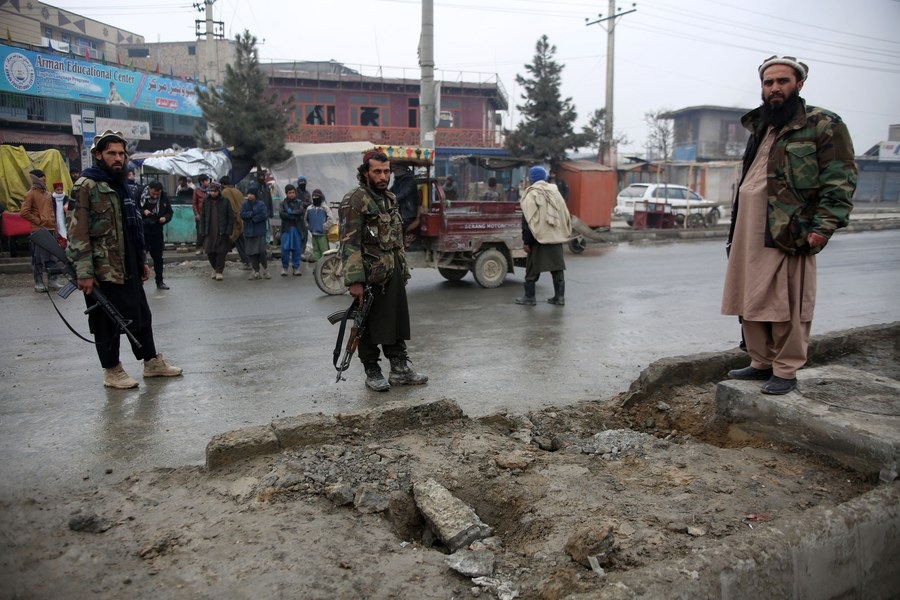
When the Taliban regained power in August 2021, it attempted to assuage the fears of non-Muslim Afghans. The militants visited Sikh and Hindu temples to try and assure the remaining members of the communities of their commitment to their safety and well-being.
But the Taliban’s draconian restrictions on Sikhs and Hindus have forced many to seek a way out of their homeland, RFE/RL reported.
Niala Mohammad, the director of policy and strategy at the nonprofit Muslim Public Affairs Council in Washington, said the situation for religious minorities in Afghanistan — including Hindus, Sikhs, Bahai’s, Christians, Ahmadis, and Shia Muslims — has deteriorated sharply under Taliban rule.
“The situation continues to deteriorate as political extremist factions that claim to represent Islam, such as the Taliban, ascend to power in the region,” said Mohammad, who was previously the South Asia analyst for the US Commission on International Religious Freedom.
“This exodus of diverse religious groups has left a void in the country’s social fabric.”
ALSO READ: Reopen girls’ schools, Karzai urges Taliban