October 2, 2023
4 mins read

Int’l Cooperation Key For Global Work Agenda: WGS Envoys Retreat

Al Olama emphasised that the Summit, through its continuous efforts, strives to provide a conducive environment for positive international collaboration models …reports Asian Lite News

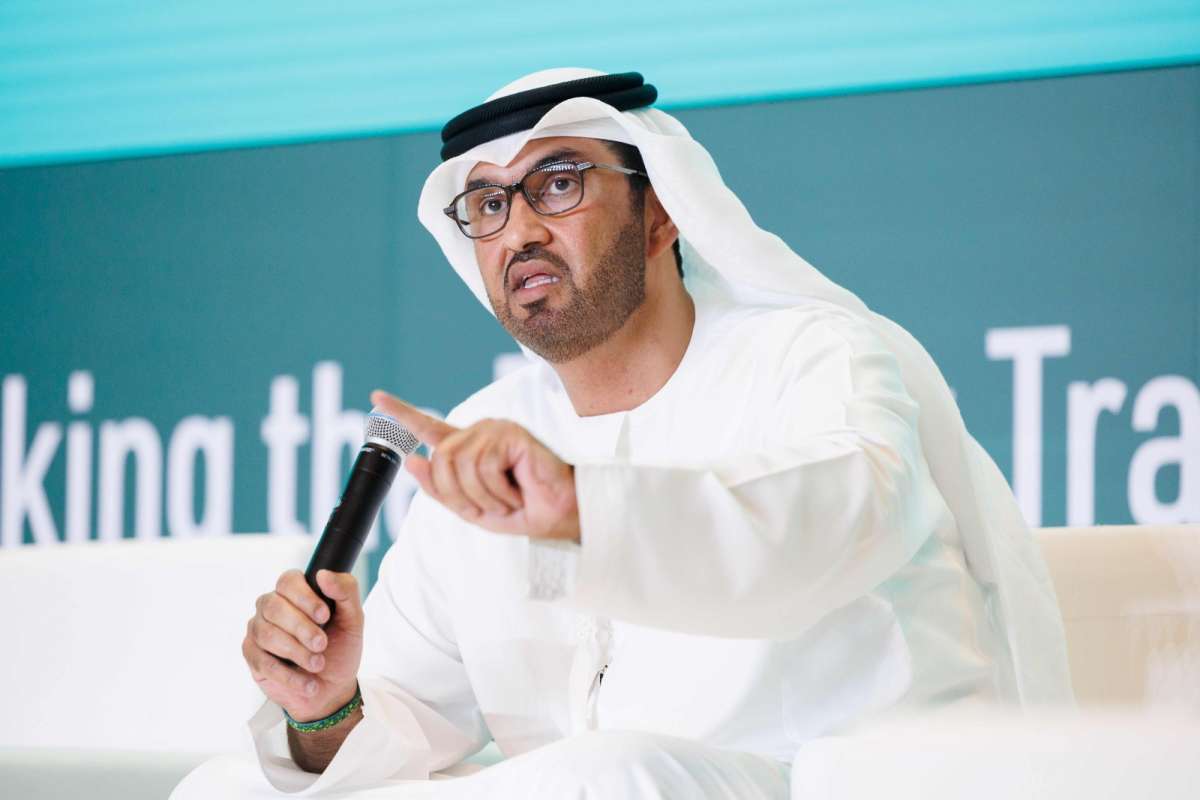
Omar bin Sultan Al Olama, Minister of State for Artificial Intelligence, Digital Economy, and Remote Work Applications, Vice Chair of the World Governments Summit (WGS) Organisation, said that the WGS is a key catalyst for international efforts aimed at shaping the future, highlighting the significance of partnerships and harnessing global dialogue.

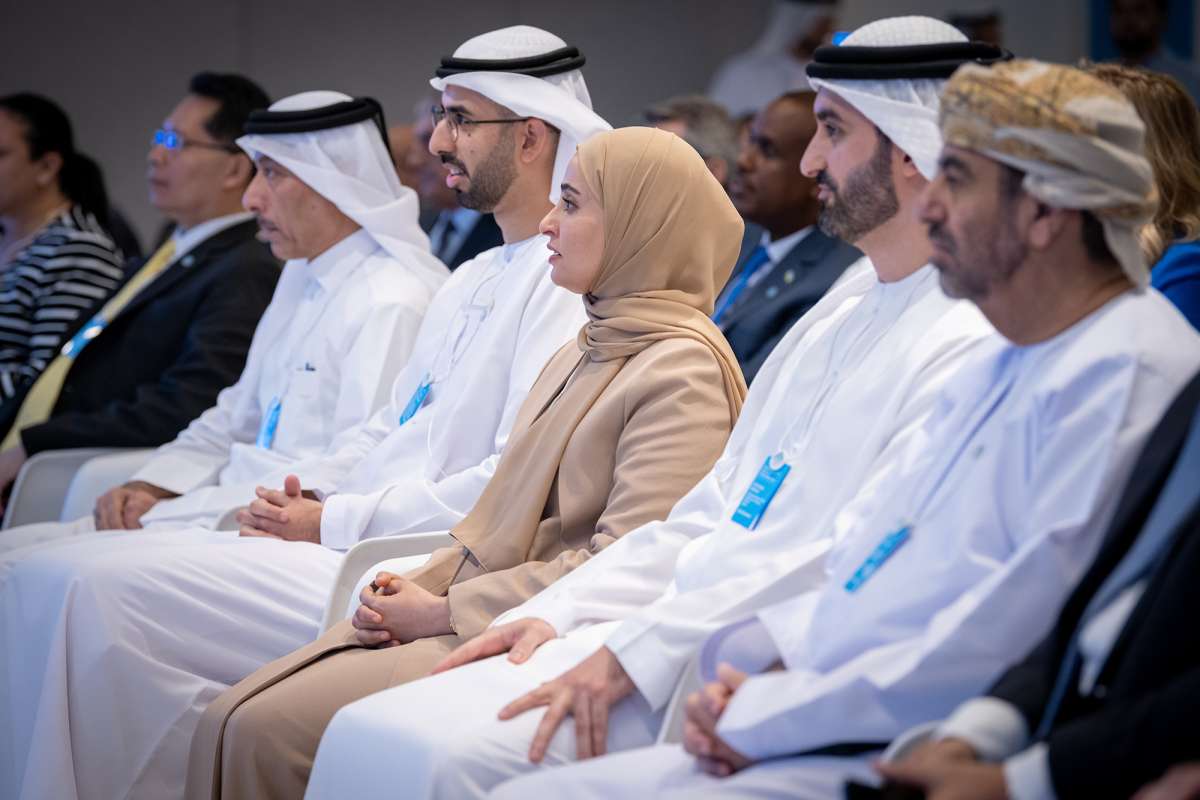
It also highlights the UAE’s leadership vision to enhance positive international cooperation, he said in a statement during the Ambassadors Retreat, organised by the World Governments Summit Organisation and the Ministry of Foreign Affairs to convene diplomatic missions. The Retreat gathered over 200 high-level officials, including ministers, government officials, ambassadors, and chief representatives of diplomatic missions in the UAE.

Al Olama stated that the World Governments Summit serves as a platform that brings together government officials, international organisations, business leaders, community institutions, experts, academics, and innovators to participate in a global movement aimed at defining trends, anticipating changes, and proactively addressing challenges by designing successful innovative solutions.

He further added that what advanced technology and artificial intelligence solutions provide is a gateway to unlimited future opportunities, requiring collaborative efforts to harness, build upon, and chart their paths.

Al Olama emphasised that the Summit, through its continuous efforts, strives to provide a conducive environment for positive international collaboration models and international partnerships aimed at pushing forward the progress of human development.

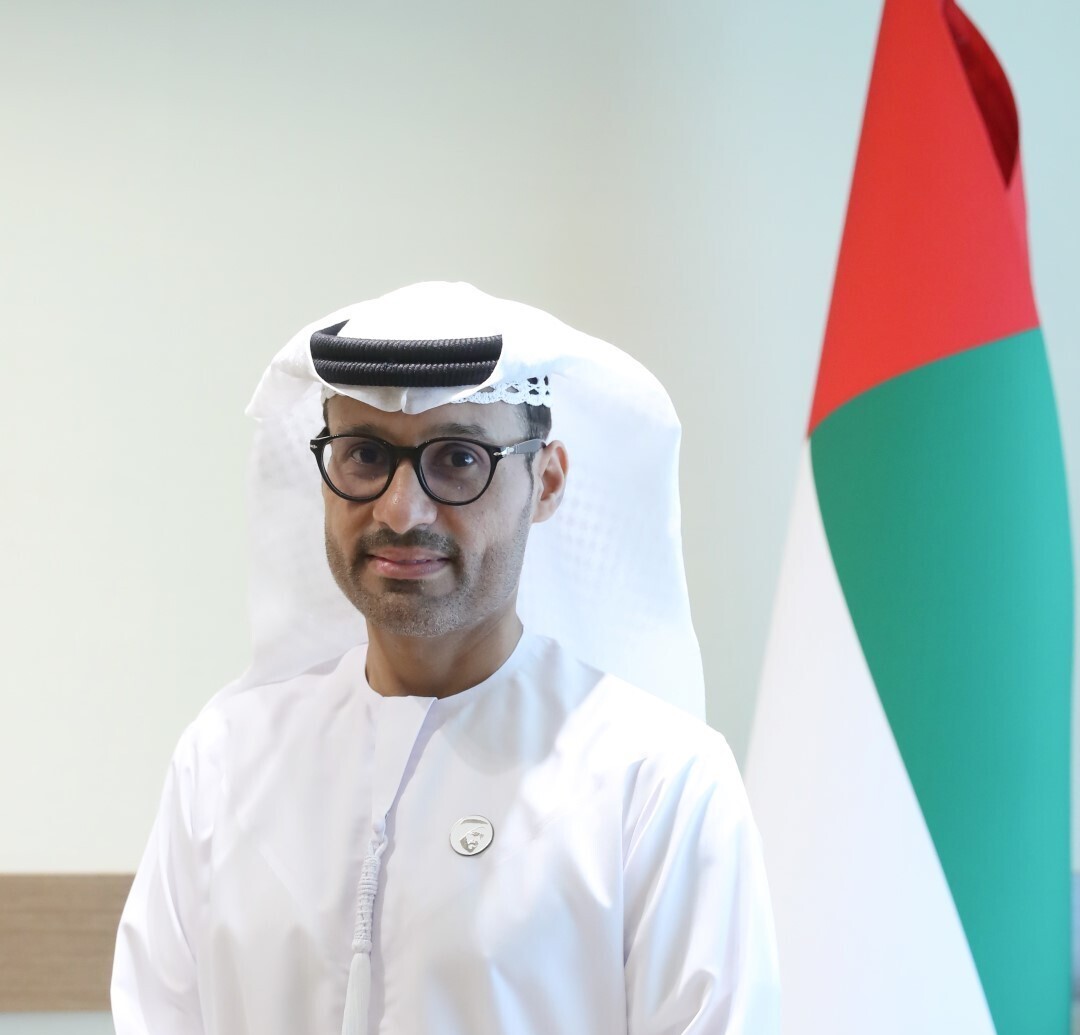
Representing the variety of fields pertaining to the changing dynamic of the future, the distinguished dignitaries included Ohood bint Khalfan Al Roumi, Minister of State for Government Development and The Future, and Vice Chair of the WGS Organisation; Khalid Abdullah Humaid Belhoul, Under-Secretary of the Ministry of Foreign Affairs.

For his part, Khaled Abdullah Belhoul emphasised the ministry’s commitment to strengthening efforts to enhance the role of the UAE on the international stage. He expressed support for the country’s mission, which focuses on expanding areas of global cooperation and partnerships aimed at empowering governments and communities to keep pace with global developments into the future.

Belhoul stated that the World Governments Summit serves as an ideal platform for fostering partnerships and promoting international collaboration in envisioning the future, anticipating its changes, and designing innovative solutions to its challenges. He highlighted that the Ambassadors Retreat represents an important annual gathering dedicated to advancing international cooperation in areas closely related to the future, through open dialogue and brainstorming that brings together diplomats from around the world to explore future directions for governmental work.

The Ambassadors Retreat featured a session, titled “Reimagining Collaboration in the Wake of Change”, which highlighted the importance of partnerships between governments, international organisations and the private sector. The session was addressed by Sufyan El-Issa, Global Head of Business Development and Client Coverage, International Financial Corporation (IFC); Anthony Nakache, Managing Director for Google MENA; and Mohamed Al Sharhan, Managing Director of the World Governments Summit. The session was moderated by Mona Abu Hanna, Chief People Officer and Consulting Partner, EMEA.

During the session, the participants discussed the necessary changes required to enhance mechanisms of international cooperation and the role of the Summit in providing an international platform that fosters and motivates purposeful international collaboration for shaping the future. They emphasised the pivotal role of diplomacy in crafting and enhancing frameworks for international cooperation and leveraging them in initiatives aimed at achieving global prosperity and establishing sustainable communities. They delved into the global economic landscape and its interconnected relationships with future requirements.

El-Issa provided an insider view of the economy intertwined with global collaboration. He said, “In today’s global landscape, collaboration is paramount. IFC recognises the crucial role of partnerships with the private sector, governments, donors and international financial institutions. Our partnership with the World Governments Summit underscores the importance of cross-sector collaboration in addressing global challenges and shaping a more sustainable future.”

Mohamed Al Sharhan highlighted the platform’s role as a generator of change which has dedicated itself to defining critical developments of the future, and it is only through collaboration that we achieve a better future.

The retreat witnessed the hosting of an interactive workshop with the heads of diplomatic missions in the UAE to discuss the features of the next edition of the World Governments Summit, and explore the summit’s themes and design the global agenda for government priorities and emerging future trends.

The World Governments Summit also launched the Global Ministers Survey in a new initiative, which aims to identify the views of ministers from various countries of the world on their key priorities. The survey will enable the collection of data to prepare a comprehensive report that provides key insights, recommendations and innovative ideas that support governments’ efforts in decision-making processes related to the future.

ALSO READ: UAE Foreign Minister, Barbados PM discuss climate action

Previous Story

COP28 Chief Calls On Industries to Work Together

Next Story

UAE Launches Cyber Awareness Campaign

Previous Story

COP28 Chief Calls On Industries to Work Together

Next Story

UAE Launches Cyber Awareness Campaign

Latest from -Top News

Pakistan Risks Overstretching Itself in Yemen War

Pakistan’s expanding military role in Saudi Arabia amid the Yemen conflict could strain its defence resources and fragile finances…reports Asian Lite News Desk Pakistan’s military involvement in the war in Yemen may prove unsustainable because of mounting financial pressures and competing security demands, according to a new report. Islamabad’s growing military presence in Saudi Arabia risks stretching its defence resources while exposing the country to greater strategic and economic challenges. An article by Andrew Wilson in One World Outlook describes Pakistan’s involvement as a case of “fiscal and strategic overreach”, arguing that the country lacks the financial flexibility to sustain an expanded military commitment. Pakistan’s external finances depend heavily on an International Monetary Fund (IMF) programme, financial support from Gulf countries and remittances from Pakistani workers in the region. The report argues that deeper military involvement in the conflict could place additional pressure on these sources of financial stability. It also warns that deploying troops and military equipment abroad could weaken Pakistan’s capacity to address security challenges along its eastern border and deal with two domestic insurgencies. The move could also draw Islamabad into a conflict it has sought to approach cautiously. A Reuters report in May, citing Pakistani security and government sources, said Islamabad had deployed around 8,000 troops, a squadron of approximately 16 aircraft, mostly JF-17 fighter jets, two drone squadrons and a Chinese HQ-9 air-defence battery to Saudi Arabia. According to those sources, Riyadh was financing the deployment, with Pakistani personnel operating the equipment. The sources also said a confidential agreement contemplated the possibility of deploying up to 80,000 troops. Islamabad has not confirmed those figures, although it has acknowledged its military presence in Saudi Arabia, including the deployment of fighter jets at King Abdulaziz Air Base from April. The One World Outlook article argues that Saudi financial support can cover allowances and operating expenses but cannot easily replace military equipment needed elsewhere or resolve the political and strategic challenges of participating in the Yemen conflict. Pakistan’s defence budget is another concern. For the 2026-27 financial year, the federal government allocated PKR 3 trillion, or approximately $10.8 billion, to defence services. The allocation represents an 18 per cent increase from the original PKR 2.55 trillion provision and amounts to around 2.1 per cent of projected gross domestic product (GDP). Defence spending accounts for approximately 16 per cent of the federal government’s PKR 18.8 trillion expenditure. Military pensions are budgeted separately at PKR 822 billion, while debt servicing costs stand at approximately PKR 8 trillion, more than two-and-a-half times the defence allocation. The report argues that these competing financial obligations leave little room for additional military expenditure without placing further pressure on public finances. Pakistan’s reliance on IMF assistance also limits its fiscal flexibility. The country must meet the conditions attached to the programme, including a primary budget surplus target of 2 per cent of GDP and continued restraint on development spending. According to the article, these requirements make it difficult for Islamabad to finance an additional military commitment without compromising other budgetary priorities. Pakistan’s economic indicators offer limited reassurance. Economic growth for the 2025-26 financial year is estimated at between 3.6 and 3.7 per cent, while inflation reached approximately 10.3 per cent in September following an energy price shock. Foreign exchange reserves stood at around $21.5 billion at the end of September. Although this marks an improvement from the low levels recorded in 2023, the report notes that the reserves cover only a few months of imports. Financial assistance from Gulf partners remains central to Pakistan’s external stability. The article says Islamabad holds approximately $8 billion in Saudi deposits at its central bank. In July, the State Bank of Pakistan said Riyadh had extended the maturity of $5 billion in deposits to December 2028, easing the country’s immediate external financing requirements. A further $3 billion deposit was also extended in the spring. However, the article argues that these arrangements provide temporary relief rather than long-term financial independence, particularly as regional conflict threatens the stability of the Gulf economies on which Pakistan relies. The report concludes that Pakistan faces a difficult balance between supporting Saudi Arabia militarily and preserving the financial and military resources needed to address its domestic and regional challenges.

UK and Germany Ratify Kensington Treaty

Britain and Germany ratify the Kensington Treaty, agreeing new cooperation on AI, quantum research, defence and security while targeting investment, jobs and Russian hybrid threats…reports Asian Lite News Desk Britain and Germany

Economic tide is turning in Bangladesh

If there is one thing that can bring some comfort to the struggling Bangladeshi economy, it is good relations with India. Bangladesh should remember that Delhi’s backing, through easy supplies of essentials
Go toTop

Don't Miss

UAE Continues Aid to Flood-Hit Libya

The UAE has so far sent 17 planes carrying 450

MBZ in Azerbaijan to participate in COP29 

The conference is being hosted in the Azerbaijan capital from