August 8, 2023
3 mins read

Manila summons Beijing’s envoy after SCS incident

The Philippines says it will continue to assert its sovereignty and territorial rights in the South China Sea…reports Asian Lite News

A day after Chinese coastguards halted and fired water cannons at Philippine ships in the disputed South China Sea, Manila summoned Beijing’s envoy, according to President Ferdinand Marcos Jr., Al Jazeera said.

“Our secretary of foreign affairs summoned Ambassador Huang today and gave him a note verbale, including pictures, video about what happened and we are awaiting their reply,” Marcos told reporters on Monday.

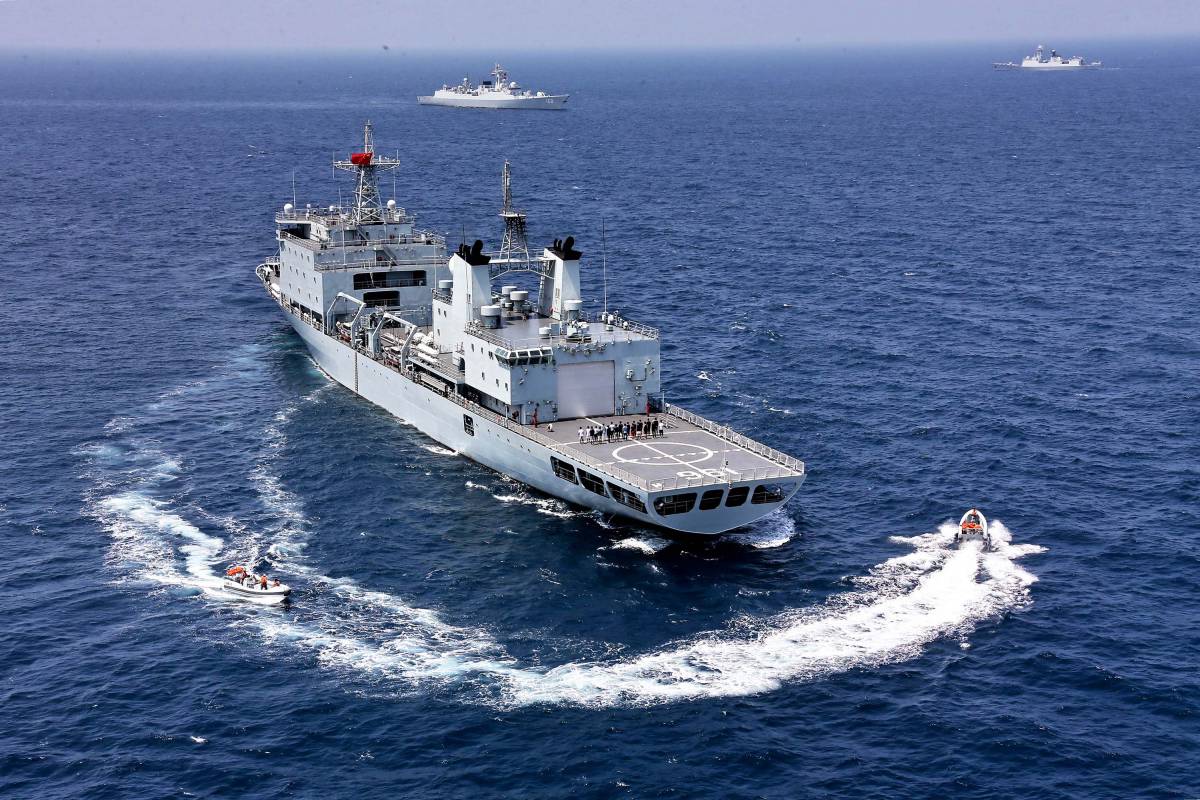
According to Al Jazeera, the Philippines accused China’s coastguard on Saturday of deploying water cannons to stop its ships from delivering food, water, fuel, and other supplies to its military soldiers stationed at Second Thomas Shoal in the Spratly Islands.

Manila condemned the actions as illegal, “excessive” and “dangerous”.

A top Philippines official declared on Monday that Manila would “never abandon” the Second Thomas Shoal, which is more than 1,000 kilometres (miles) away from China’s nearest major landmass, Hainan Island, and about 200 kilometres (124 miles) from the Philippine island of Palawan.

“For the record, we will never abandon Ayungin Shoal. We are committed to Ayungin Shoal,” National Security Council spokesman Jonathan Malaya told reporters, using the Philippine name for Second Thomas Shoal, Al Jazeera reported.

Beijing has disregarded a 2016 decision from an international court finding that its claim to practically all of the South China Sea, through which trillions of dollars in trade flow every year, has legal standing.

China said it had taken “necessary controls” against Philippines boats that had “illegally” entered its waters.

The Philippines says it will continue to assert its sovereignty and territorial rights in the South China Sea, Al Jazeera reported.

“The position of China, of course, is they say ‘this is ours so we are defending it’ and we, for our part, are saying ‘no, we own it so we are defending it’. So that becomes a grey area that we are discussing,” the Philippines president said.

Two of the vessels were chartered by the Philippine Navy to supply provisions to the BRP Sierra Madre, which is a resting ship anchored at the Second Thomas Shoal. Two coastguard vessels were escorting the chartered vessels. About 90 nautical miles [167km] off Palawan six Chinese coastguard vessels and two Chinese fishing militia vessels started shadowing the vessels, Al Jazeera reported.

The US State Department on Sunday condemned the Chinese actions, saying they were carried out by the coastguard and “maritime militia”,  threatening regional peace and stability.

The United Kingdom, Australia, Canada and the European Union also criticised Beijing’s actions.

Manila and Beijing have a long history of maritime disputes over the South China Sea.

Former Philippine President Rodrigo Duterte, who was in power from 2016 to 2022, was reluctant to criticise his more powerful neighbour as he sought closer ties with Beijing in the hope of attracting investment, Al Jazeera reported.

Marcos has insisted since succeeding Duterte in June last year that he will not let China trample on his country’s maritime rights.

He has gravitated towards the US, seeking to strengthen defence ties with the Philippines’ former colonial ruler and longtime ally. (ANI)
ALSO READ: US Warships dispatched after China send naval patrol near Alaska

Previous Story

Tense relations prompt US firms to reduce China imports

Next Story

Peking Snubs Pakistan

Previous Story

Tense relations prompt US firms to reduce China imports

Next Story

Peking Snubs Pakistan

Latest from -Top News

Pakistan Risks Overstretching Itself in Yemen War

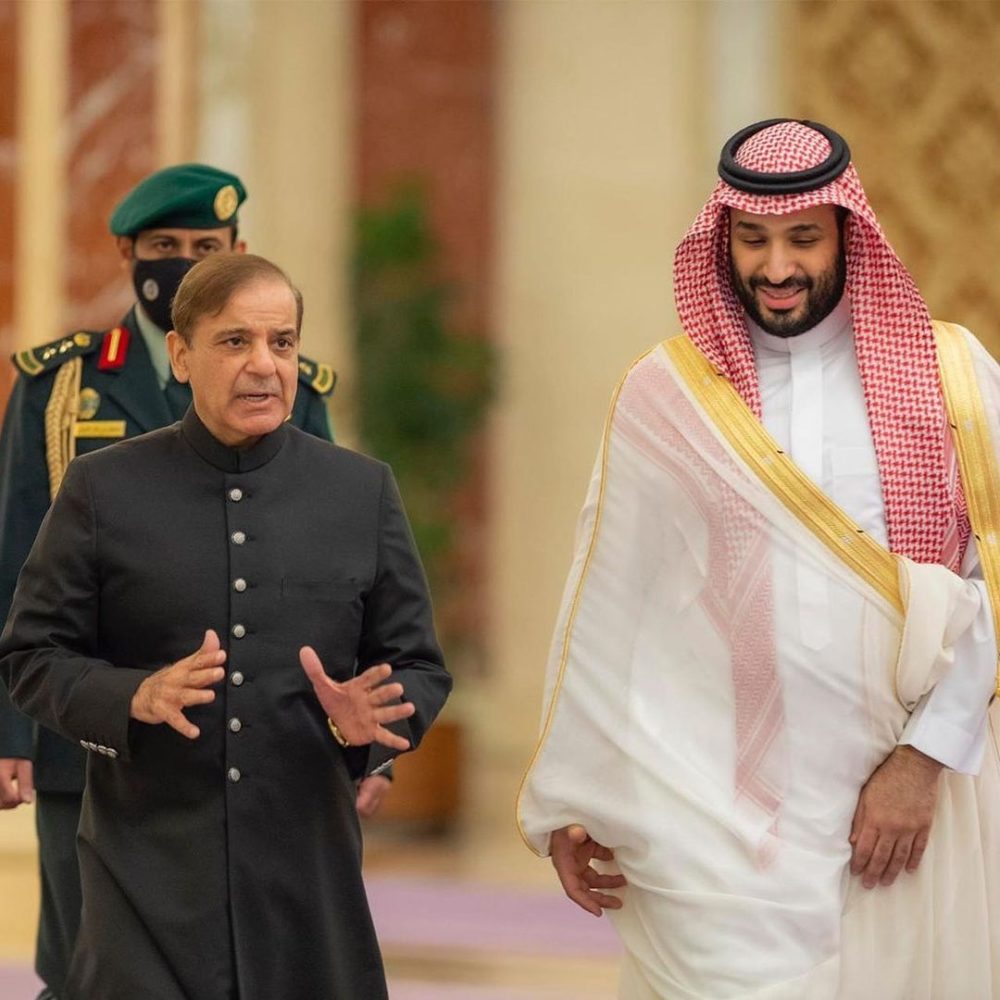
Pakistan’s expanding military role in Saudi Arabia amid the Yemen conflict could strain its defence resources and fragile finances…reports Asian Lite News Desk Pakistan’s military involvement in the war in Yemen may prove unsustainable because of mounting financial pressures and competing security demands, according to a new report. Islamabad’s growing military presence in Saudi Arabia risks stretching its defence resources while exposing the country to greater strategic and economic challenges. An article by Andrew Wilson in One World Outlook describes Pakistan’s involvement as a case of “fiscal and strategic overreach”, arguing that the country lacks the financial flexibility to sustain an expanded military commitment. Pakistan’s external finances depend heavily on an International Monetary Fund (IMF) programme, financial support from Gulf countries and remittances from Pakistani workers in the region. The report argues that deeper military involvement in the conflict could place additional pressure on these sources of financial stability. It also warns that deploying troops and military equipment abroad could weaken Pakistan’s capacity to address security challenges along its eastern border and deal with two domestic insurgencies. The move could also draw Islamabad into a conflict it has sought to approach cautiously. A Reuters report in May, citing Pakistani security and government sources, said Islamabad had deployed around 8,000 troops, a squadron of approximately 16 aircraft, mostly JF-17 fighter jets, two drone squadrons and a Chinese HQ-9 air-defence battery to Saudi Arabia. According to those sources, Riyadh was financing the deployment, with Pakistani personnel operating the equipment. The sources also said a confidential agreement contemplated the possibility of deploying up to 80,000 troops. Islamabad has not confirmed those figures, although it has acknowledged its military presence in Saudi Arabia, including the deployment of fighter jets at King Abdulaziz Air Base from April. The One World Outlook article argues that Saudi financial support can cover allowances and operating expenses but cannot easily replace military equipment needed elsewhere or resolve the political and strategic challenges of participating in the Yemen conflict. Pakistan’s defence budget is another concern. For the 2026-27 financial year, the federal government allocated PKR 3 trillion, or approximately $10.8 billion, to defence services. The allocation represents an 18 per cent increase from the original PKR 2.55 trillion provision and amounts to around 2.1 per cent of projected gross domestic product (GDP). Defence spending accounts for approximately 16 per cent of the federal government’s PKR 18.8 trillion expenditure. Military pensions are budgeted separately at PKR 822 billion, while debt servicing costs stand at approximately PKR 8 trillion, more than two-and-a-half times the defence allocation. The report argues that these competing financial obligations leave little room for additional military expenditure without placing further pressure on public finances. Pakistan’s reliance on IMF assistance also limits its fiscal flexibility. The country must meet the conditions attached to the programme, including a primary budget surplus target of 2 per cent of GDP and continued restraint on development spending. According to the article, these requirements make it difficult for Islamabad to finance an additional military commitment without compromising other budgetary priorities. Pakistan’s economic indicators offer limited reassurance. Economic growth for the 2025-26 financial year is estimated at between 3.6 and 3.7 per cent, while inflation reached approximately 10.3 per cent in September following an energy price shock. Foreign exchange reserves stood at around $21.5 billion at the end of September. Although this marks an improvement from the low levels recorded in 2023, the report notes that the reserves cover only a few months of imports. Financial assistance from Gulf partners remains central to Pakistan’s external stability. The article says Islamabad holds approximately $8 billion in Saudi deposits at its central bank. In July, the State Bank of Pakistan said Riyadh had extended the maturity of $5 billion in deposits to December 2028, easing the country’s immediate external financing requirements. A further $3 billion deposit was also extended in the spring. However, the article argues that these arrangements provide temporary relief rather than long-term financial independence, particularly as regional conflict threatens the stability of the Gulf economies on which Pakistan relies. The report concludes that Pakistan faces a difficult balance between supporting Saudi Arabia militarily and preserving the financial and military resources needed to address its domestic and regional challenges.

UK and Germany Ratify Kensington Treaty

Britain and Germany ratify the Kensington Treaty, agreeing new cooperation on AI, quantum research, defence and security while targeting investment, jobs and Russian hybrid threats…reports Asian Lite News Desk Britain and Germany

Economic tide is turning in Bangladesh

If there is one thing that can bring some comfort to the struggling Bangladeshi economy, it is good relations with India. Bangladesh should remember that Delhi’s backing, through easy supplies of essentials
Go toTop

Don't Miss

Bodies pile up as Beijing hit by new wave of Covid-19

China says it has only suffered 5,237 Covid-related deaths during

European leaders call for ‘diplomatic boycott’ of Beijing Olympics

Last month, a coalition of human rights groups had called