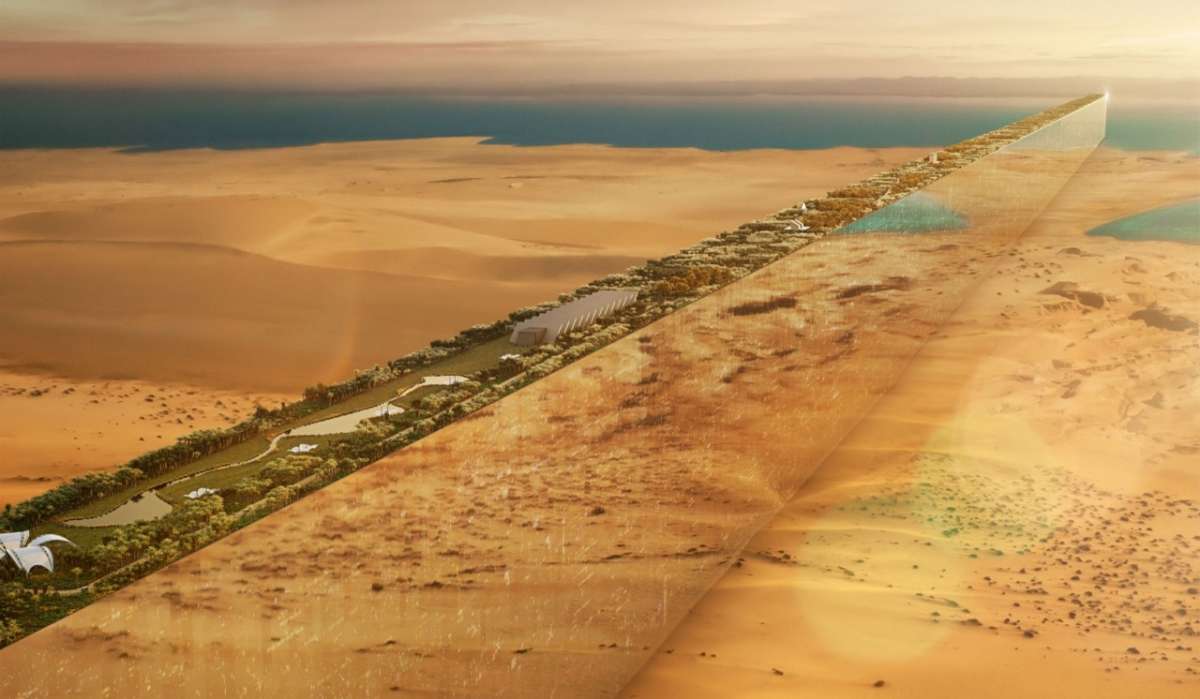
NEOM is one of the basic components of Saudi Arabia’s 2030 Vision that aims at transforming the Saudi economy…writes John Solomou
Nearly 20 per cent of infrastructure works at NEOM, Saudi Arabia’s USD 500 billion futuristic cities, that will be powered entirely by clean energy, will be free of cars and will have no streets or zero carbon emissions, has already been completed, and works are progressing according to schedule, Nadhmi Al-Nasr, NEOM’s CEO has said. Al-Nasr declared: “At NEOM, we are addressing some of the most pressing challenges facing humanity by bringing together a community of the brightest minds committed to reimagining what a sustainable future will look like in 20 to 30 years and building it today. We are redefining the future now. NEOM is open for business.”
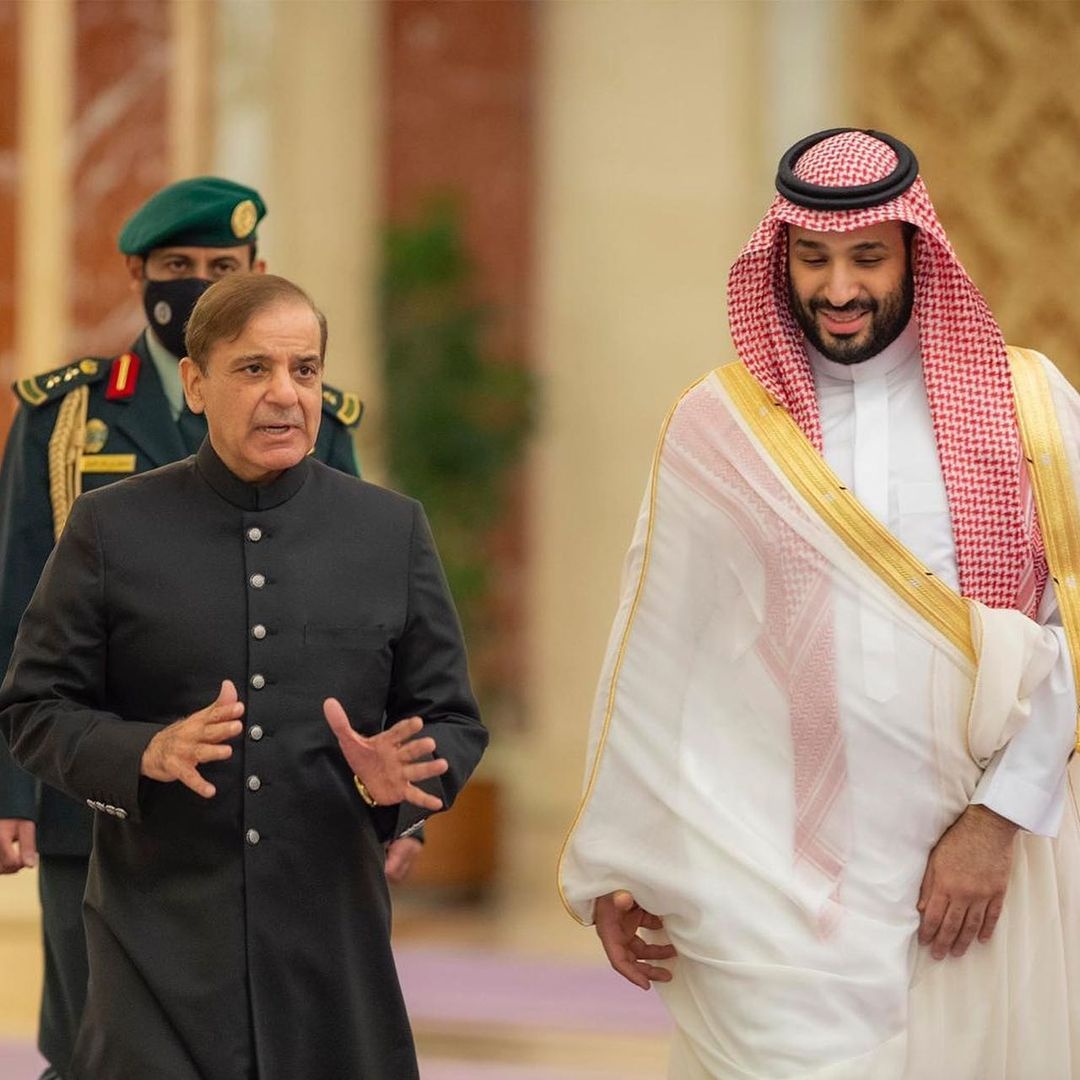
The plans for this ground-breaking megacity project that will spread across 26,500 sq. kilometres on the Red Sea coast (in an area larger than Kuwait or Israel) had been announced back in October 2017 by Saudi Crown Prince Mohammed bin Salman (MBS) at the Future Investment Initiative conference in Riyadh. It is one of the basic components of Saudi Arabia’s 2030 Vision that aims at transforming the Saudi economy.
NEOM- the name is a combination of the Greek word NEO (new) and M both the first letter of the Arab word Mustakbal (the Future) and of Crown Prince Mohammed bin Salman.
MBS said NEOM would operate independently from the “existing governmental framework” and will have its own tax and labour laws and an “autonomous judicial system.”
The development includes smart towns and cities, ports and enterprise areas, research centres, tourist and sports centres as well as many entertainment venues.
It is remarkable that all energy in NEOM will come 100 per cent from renewable energy sources — the sun and the wind – and there will also be hydrogen-based power generation — all ensuring a zero-emission, carbon-positive ecosystem.
Another important innovation is that the brine resulting from desalination will not be dumped back into the sea, as is the case in the existing desalination plants, but will be used as industrial raw material.
What is more remarkable will be the pioneering water production from desalination entirely produced from renewable energy sources, as well as the innovative ways of storing and utilizing water, expected to attract companies engaged in water research and start-ups.
One of NEOM’s most ambitious plans – in a country which currently imports about 80 percent of its food- is to become “the world’s most food self-sufficient city” by utilizing innovative vertical farming and greenhouses.
Furthermore, it aims to provide answers to some of the most pressing global challenges facing urban areas and inspiration for an alternative way of living. At the same time, it is planned in such a way as to preserve 95 per cent of the natural environment around the site.
By 2026 NEOM is expected to house some 450.000 people, raising the number to 1.5 to 2 million people by 2030. Eventually, it is expected to accommodate nine million people.
Now let’s see the main components of NEOM:
The Line: will be a city to be built module by module along a straight line of 170 kilometres. Each module will have all necessary amenities like shops and schools and its inhabitants will not use cars, as everything they need will be a five-minute walk or cycle away. When the Line is complete there will be hyper-speed trains. Developers expect that a major part of the city will be completed by 2030.
Oxagon: It will be a 7 km floating industrial complex shaped like an octagon. It will be the largest floating structure in the world. The project will focus on modern manufacturing, industrial research, and development centred on expanding the Duba port.
The Saudi Crown Prince expects Oxagon to become “a new focal point for global trade flows” and service shipping routes through the Red Sea. The plans for the complex include a desalination plant, a hydrogen plant, and an oceanographic research centre.
Moreover, Oxagon has also the potential to become a world-class tourist destination where visitors will see how the future will be.
Trojena: aims to be the first major outdoor skiing destination in the Arabian Peninsula. It will be located about 50 kilometres from the Gulf of Aqaba coast, in the Sarwat Mountains, with elevations ranging from 1,500-2,600 metres. Although it is in the desert, the site’s climate is considerably cooler than the rest of Neom’s territory.
Trojena was elected as the city where the 2029 Asian Winter Games will be held, becoming the first city to host a winter sporting event in the Arabian Peninsula.
Sindalah: is a 1,100,000 cubic yards luxury resort complex off the city coast. It is planned to have an 86-berth marina, and three luxury hotels, and could accommodate up to 2,400 visitors daily.
One of the dark points of this huge project was the eviction and relocation, without adequate compensation, of about 20,000 members of the nomadic Bedouin Howeitat tribe who lived in the area so as to make way for the development of the project. Abdulrahim al-Huwaiti, an activist member of the tribe who posted videos against the eviction, was killed by Saudi Security forces, allegedly for opening fire against them.
Thousands of experts and technicians from many countries are working day and night designing and implementing the various parts of this giant project and coming up with solutions that could be implemented in other countries of the world.
All over the world, many people wonder if the USD 500 billion mega projects will be worth the astronomical amounts of money to be spent, but Saudi officials insist that it is.
Ali Shihabi, a member of NEOM’s advisory board replies to this question, saying: “It is a pilot experimental project. But if we can solve the water problem in the Middle East, if just this project works, everything NEOM has done is worthwhile.”
For his part, Mohammed bin Salman, who decided to proceed with the implementation of the project points out: “Beginning this journey to a greener future has not been easy, but we are not avoiding tough choices. We reject the false choice between preserving the economy and protecting the environment.” (ANI)