July 28, 2023
4 mins read

Putin promises no-cost Russian grain shipments to 6 African countries

The Russian mercenary group Wagner has been active in Mali and Central African Republic, and Eritrea has voted against more UN General Assembly resolutions criticizing Russia’s invasion than any other African nation…reports Asian Lite News

Russian President Vladimir Putin told leaders and officials from most African countries Thursday that his nation is making every effort to avert a global food crisis despite concerns that its withdrawal from a deal allowing grain shipments from Ukraine will cause price spikes.

Putin spoke at the opening session of a two-day Russia-Africa summit attended by a sharply lower number of African heads of state and government compared with a previous summit in 2019. While discussing the halted Black Sea grain deal, he promised large no-cost shipments of grain to six African countries.

“Our country will continue supporting needy states and regions, in particular, with its humanitarian deliveries. We seek to actively participate in building a fairer system of distribution of resources. We are taking maximum efforts to avert a global food crisis,” Putin said.

“I have already said that our country can replace Ukrainian grain, both on a commercial basis and as grant aid to the neediest African countries, more so since we expect another record harvest this year,” he said.

Russia intends to ship up to 50,000 tons of grain aid to Burkina Faso, Zimbabwe, Mali, Somalia, Eritrea and the Central African Republic in the next three to four months, Putin said.

Without directly referring to Putin’s promise, U.N. Secretary-General Antonio Guterres took a swipe Thursday at donations of grain to developing nations, saying they cannot compensate for the global impact of Moscow’s cutoff of Ukrainian grain exports.

The UN chief said the United Nations is in contact with Turkey, Ukraine, Russia and other countries to try to reestablish the deal that saw Ukraine export over 32,000 tons of grain, allowing global food prices to drop significantly.

Guterres told reporters at UN headquarters in New York that taking millions of tons of Ukrainian grain out of the global market will lead to higher prices, and these increased prices “will be paid by everybody, everywhere, and namely by developing countries and by the vulnerable people in middle income and even developed countries.”

“So, it’s not with a handful of donations to some countries that we correct this dramatic impact that affects everybody, everywhere,” Guterres said.

Both Russia and Ukraine are major grain suppliers. They agreed a year ago on a UN- and Turkey-brokered deal that reopened three Ukrainian Black Sea ports blocked by fighting and provided assurances that ships entering the ports would not be attacked. Russia declined to renew the agreement last week, complaining that its own exports were being held up.

Promising Russian food exports to Africa is key to Putin’s stated goal of using the summit in St. Petersburg to bolster ties with a continent of 1.3 billion people that is increasingly assertive on the global stage.

Africa’s 54 nations make up the largest voting bloc at the United Nations and have been more divided than any other region on General Assembly resolutions criticizing Russia’s actions in Ukraine.

The Russian mercenary group Wagner has been active in Mali and Central African Republic, and Eritrea has voted against more UN General Assembly resolutions criticizing Russia’s invasion than any other African nation.

Burkina Faso is seen by some observers as a likely next target for Wagner, and Zimbabwe has long been bitter about U.S. sanctions against it. Somalia, while a U.S. ally, is often held up as an African country most affected by any restrictions on grain supplies related to the conflict in Ukraine.

The Russia-Africa event follows South African authorities announcing last week that Putin had agreed not to attend an economic summit in Johannesburg next month because the trip could expose him to arrest under an International Criminal Court warrant for alleged war crimes in Ukraine.

Putin on Thursday announced other moves to deepen relations with Africa, including increased enrollment of African students in Russian universities, the opening of Russian state news media bureaus in many African countries and a proposed “common information space in Russia and Africa, within which objective, unbiased information about events taking place in the world will be broadcast to Russian and African audiences.”

Putin’s foreign affairs adviser, Yuri Ushakov, said that while only 17 heads of state were attending the summit, 32 other African countries were represented by senior officials or ambassadors. The Kremlin said that crude Western pressure to discourage African nations from taking part caused the number of leaders taking part to shrink; in 2019, 43 heads of state attended.

Along with grain, another issue likely to be on the agenda is the fate of the Wagner mercenary group led by Yevgeny Prigozhin following its brief rebellion against the top military leadership last month. The private contractor’s future will be an urgent issue for countries such as Sudan, Mali and others that contract with Wagner in exchange for natural resources like gold.

ALSO READ-Putin extends ban on import and export of raw materials till 2025
Previous Story

Blair calls on Odisha CM, discusses economic growth  

Next Story

Ukraine requires $37 bn in external financing next year

Previous Story

Blair calls on Odisha CM, discusses economic growth  

Next Story

Ukraine requires $37 bn in external financing next year

Latest from -Top News

Pakistan Risks Overstretching Itself in Yemen War

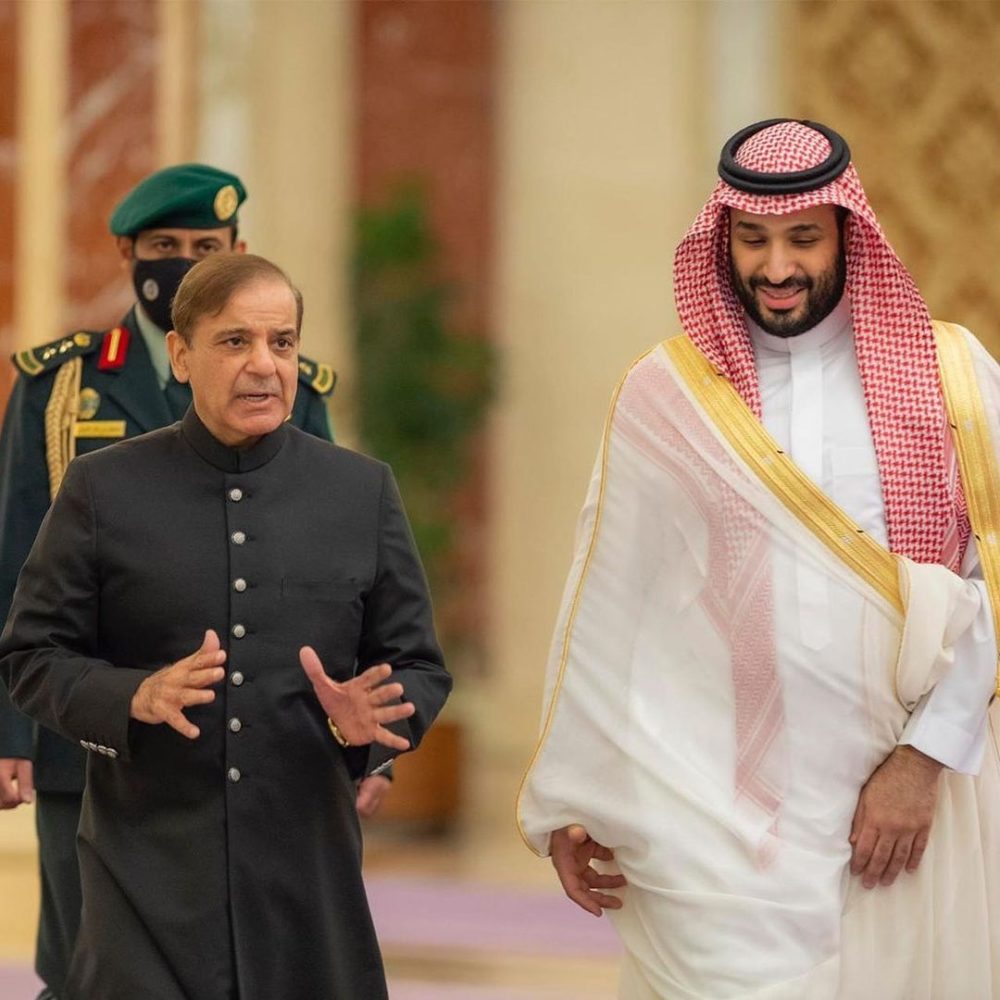
Pakistan’s expanding military role in Saudi Arabia amid the Yemen conflict could strain its defence resources and fragile finances…reports Asian Lite News Desk Pakistan’s military involvement in the war in Yemen may prove unsustainable because of mounting financial pressures and competing security demands, according to a new report. Islamabad’s growing military presence in Saudi Arabia risks stretching its defence resources while exposing the country to greater strategic and economic challenges. An article by Andrew Wilson in One World Outlook describes Pakistan’s involvement as a case of “fiscal and strategic overreach”, arguing that the country lacks the financial flexibility to sustain an expanded military commitment. Pakistan’s external finances depend heavily on an International Monetary Fund (IMF) programme, financial support from Gulf countries and remittances from Pakistani workers in the region. The report argues that deeper military involvement in the conflict could place additional pressure on these sources of financial stability. It also warns that deploying troops and military equipment abroad could weaken Pakistan’s capacity to address security challenges along its eastern border and deal with two domestic insurgencies. The move could also draw Islamabad into a conflict it has sought to approach cautiously. A Reuters report in May, citing Pakistani security and government sources, said Islamabad had deployed around 8,000 troops, a squadron of approximately 16 aircraft, mostly JF-17 fighter jets, two drone squadrons and a Chinese HQ-9 air-defence battery to Saudi Arabia. According to those sources, Riyadh was financing the deployment, with Pakistani personnel operating the equipment. The sources also said a confidential agreement contemplated the possibility of deploying up to 80,000 troops. Islamabad has not confirmed those figures, although it has acknowledged its military presence in Saudi Arabia, including the deployment of fighter jets at King Abdulaziz Air Base from April. The One World Outlook article argues that Saudi financial support can cover allowances and operating expenses but cannot easily replace military equipment needed elsewhere or resolve the political and strategic challenges of participating in the Yemen conflict. Pakistan’s defence budget is another concern. For the 2026-27 financial year, the federal government allocated PKR 3 trillion, or approximately $10.8 billion, to defence services. The allocation represents an 18 per cent increase from the original PKR 2.55 trillion provision and amounts to around 2.1 per cent of projected gross domestic product (GDP). Defence spending accounts for approximately 16 per cent of the federal government’s PKR 18.8 trillion expenditure. Military pensions are budgeted separately at PKR 822 billion, while debt servicing costs stand at approximately PKR 8 trillion, more than two-and-a-half times the defence allocation. The report argues that these competing financial obligations leave little room for additional military expenditure without placing further pressure on public finances. Pakistan’s reliance on IMF assistance also limits its fiscal flexibility. The country must meet the conditions attached to the programme, including a primary budget surplus target of 2 per cent of GDP and continued restraint on development spending. According to the article, these requirements make it difficult for Islamabad to finance an additional military commitment without compromising other budgetary priorities. Pakistan’s economic indicators offer limited reassurance. Economic growth for the 2025-26 financial year is estimated at between 3.6 and 3.7 per cent, while inflation reached approximately 10.3 per cent in September following an energy price shock. Foreign exchange reserves stood at around $21.5 billion at the end of September. Although this marks an improvement from the low levels recorded in 2023, the report notes that the reserves cover only a few months of imports. Financial assistance from Gulf partners remains central to Pakistan’s external stability. The article says Islamabad holds approximately $8 billion in Saudi deposits at its central bank. In July, the State Bank of Pakistan said Riyadh had extended the maturity of $5 billion in deposits to December 2028, easing the country’s immediate external financing requirements. A further $3 billion deposit was also extended in the spring. However, the article argues that these arrangements provide temporary relief rather than long-term financial independence, particularly as regional conflict threatens the stability of the Gulf economies on which Pakistan relies. The report concludes that Pakistan faces a difficult balance between supporting Saudi Arabia militarily and preserving the financial and military resources needed to address its domestic and regional challenges.

UK and Germany Ratify Kensington Treaty

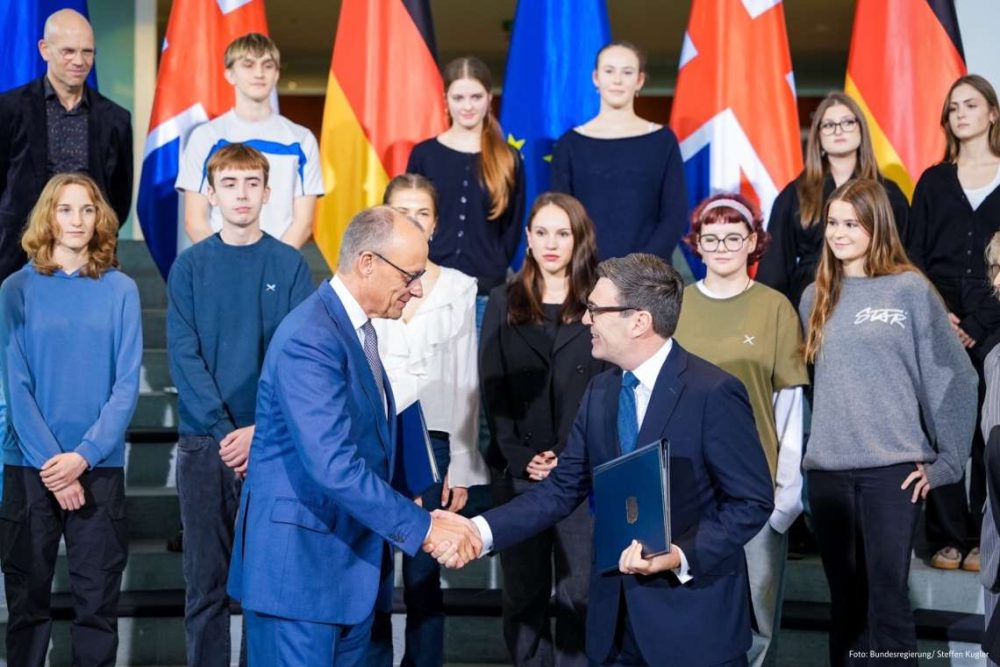
Britain and Germany ratify the Kensington Treaty, agreeing new cooperation on AI, quantum research, defence and security while targeting investment, jobs and Russian hybrid threats…reports Asian Lite News Desk Britain and Germany

Economic tide is turning in Bangladesh

If there is one thing that can bring some comfort to the struggling Bangladeshi economy, it is good relations with India. Bangladesh should remember that Delhi’s backing, through easy supplies of essentials
Go toTop

Don't Miss

‘Russia has become largest oil supplier to India’

In his address, the Russian Ambassador said further that India

Iran, Russia bolster tourism ties

The MoU is also aimed at, among other things, enhancing