Sharjah Business Women Council (SBWC) connects 500+ women to UAE’s thriving business ecosystem in H1 2023…reports Asian Lite News
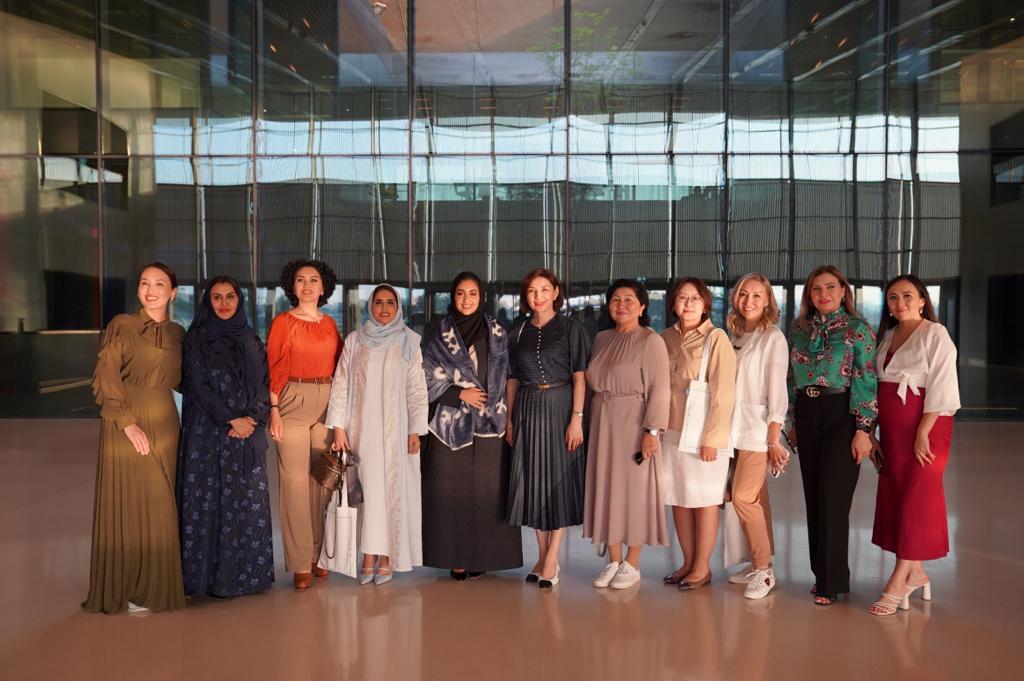
It’s been a busy start to the year for members of the Sharjah Business Women Council (SBWC), who have made big leaps in their journeys of learning and business networking, expanding their professional horizons comprehensively in the first six months of 2023.
SBWC has continued to drive its successful efforts to empower its thriving member community of 2,000+ business women and aspiring entrepreneurs, directly impacting the career trajectories of over 500 women.
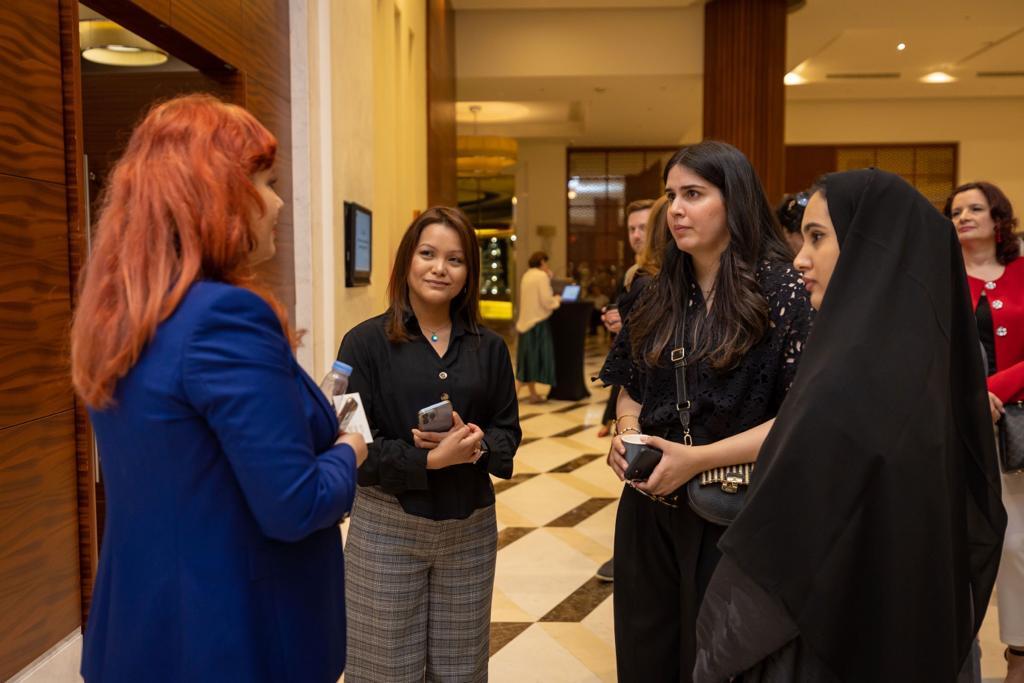
From organising introductory meetings across the UAE to hosting networking events and expert-led workshops, SBWC brought members closer to new prospects in fashion, F&B, perfumes, and other sectors.
الشارقة في 8 أغسطس / وام / نجح “مجلس سيدات أعمال الشارقة” في ظل الفرص التي يشهدها قطاع الأعمال في الإمارات في دمج أكثر من 500 امرأة بمنظومة الأعمال المزدهرة، خلال الربعين الأول والثاني من العام الجاري.
وفي هذا الصدد أطلق المجلس عدة مبادرات وبرامج لتعزيز ثقافة ريادة الأعمال في الإمارات وخارجها، وتشجيع التعاون والابتكار بين رائدات الأعمال في الشارقة مع نظرائهن في مختلف دول العالم .
ونظم المجلس لتحقيق أهدافه في تمكين ودعم النساء في قطاع الأعمال، مجموعة متنوعة من الأنشطة التي استهدفت تطوير مهارات وقدرات العضوات، وزيادة تواصلهن مع شركاء إستراتيجيين، وفتح آفاق جديدة لهن في مجالات مختلفة.
وتضمنت تلك الأنشطة اجتماعات تعريفية، وفعاليات تواصل، وورش عمل قادها خبراء في عالم الأعمال، ومشاركات مجتمعية ساهمت بمجملها في رفع مستوى الوعي والثقة بين رائدات الأعمال.
وتعاون المجلس مع مراكز مرموقة في الإمارات، لعرض أعمال أعضائه من رائدات الأعمال، وتسهيل فرص التواصل مع التجارب الرائدة في قطاع الاستثمار والأعمال.
وخلال تلك الفترة، أطلق المجلس 45 مبادرة لدعم رائدات الأعمال، بهدف تعزيز ثقافة الأعمال الحيوية في الإمارات وخارجها.
وأكدت مريم راشد بن الشيخ، مديرة “مجلس سيدات أعمال الشارقة” إيمان إمارة الشارقة والمجلس بأن تمكين النساء وتزويدهن بالمعارف والمهارات المطلوبة تمثّل المحركات الرئيسة للنجاح المجتمعي، فضلاً عن دعمهن عبر إقامة شراكات مع المؤسسات الحكومية والخاصة في دولة الإمارات وخارجها، وتوفير بيئة ملائمة لازدهار أعمالهن.
وقالت : “نحن فخورون بهذه النتائج المميزة التي تعكس جهودنا الإستراتيجية لصقل مهارات رائدات الأعمال، وتقديم الاحتواء الشامل لهنّ في القطاع الاقتصادي هذا العام”.
Lauding SBWC’s successful start to the year, Mariam Rashid Bin Al Shaikh, Director of SBWC, said: “In Sharjah and SBWC, we believe that empowering women with the right knowledge, skill sets and connections in a variety of market sectors, and offering them an enabling environment are key drivers of societal success. We are extremely happy with the results of our strategic efforts to upskill and integrate more women into the UAE’s economy this year.”
“In efforts to promote a more vibrant business culture in the UAE and beyond, SBWC has launched 45 targeted initiatives to support female entrepreneurs. Our global network of 48 nations opens new markets and opportunities, and our single-window service for women seeking business set-up opportunities in Sharjah ensures seamless entry into the market”, she added.
الشارقة في 8 أغسطس / وام / نجح “مجلس سيدات أعمال الشارقة” في ظل الفرص التي يشهدها قطاع الأعمال في الإمارات في دمج أكثر من 500 امرأة بمنظومة الأعمال المزدهرة، خلال الربعين الأول والثاني من العام الجاري.
وفي هذا الصدد أطلق المجلس عدة مبادرات وبرامج لتعزيز ثقافة ريادة الأعمال في الإمارات وخارجها، وتشجيع التعاون والابتكار بين رائدات الأعمال في الشارقة مع نظرائهن في مختلف دول العالم .
ونظم المجلس لتحقيق أهدافه في تمكين ودعم النساء في قطاع الأعمال، مجموعة متنوعة من الأنشطة التي استهدفت تطوير مهارات وقدرات العضوات، وزيادة تواصلهن مع شركاء إستراتيجيين، وفتح آفاق جديدة لهن في مجالات مختلفة.
وتضمنت تلك الأنشطة اجتماعات تعريفية، وفعاليات تواصل، وورش عمل قادها خبراء في عالم الأعمال، ومشاركات مجتمعية ساهمت بمجملها في رفع مستوى الوعي والثقة بين رائدات الأعمال.
وتعاون المجلس مع مراكز مرموقة في الإمارات، لعرض أعمال أعضائه من رائدات الأعمال، وتسهيل فرص التواصل مع التجارب الرائدة في قطاع الاستثمار والأعمال.
وخلال تلك الفترة، أطلق المجلس 45 مبادرة لدعم رائدات الأعمال، بهدف تعزيز ثقافة الأعمال الحيوية في الإمارات وخارجها.
وأكدت مريم راشد بن الشيخ، مديرة “مجلس سيدات أعمال الشارقة” إيمان إمارة الشارقة والمجلس بأن تمكين النساء وتزويدهن بالمعارف والمهارات المطلوبة تمثّل المحركات الرئيسة للنجاح المجتمعي، فضلاً عن دعمهن عبر إقامة شراكات مع المؤسسات الحكومية والخاصة في دولة الإمارات وخارجها، وتوفير بيئة ملائمة لازدهار أعمالهن.
وقالت : “نحن فخورون بهذه النتائج المميزة التي تعكس جهودنا الإستراتيجية لصقل مهارات رائدات الأعمال، وتقديم الاحتواء الشامل لهنّ في القطاع الاقتصادي هذا العام”.
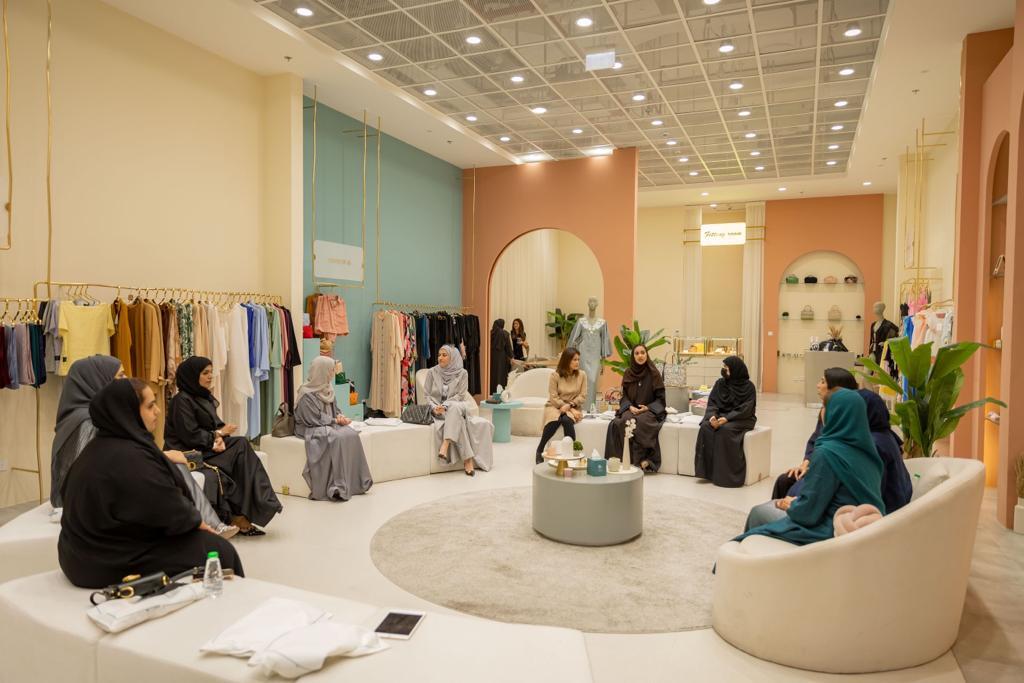
Member businesses were offered exposure at key community events like the Ramadaniyat event at Sharjah’s House of Wisdom, the Azyan event at Jawaher Reception and Convention Centre (JRCC), and during several International Women’s Day engagements. Members’ businesses were showcased to target audiences through pop-ups at over 10 locations across Sharjah at various community events and partner organisations.
Moreover, SBWC Talks, an exclusive platform for members to share knowledge, explores best practices, and learn from successful business professionals, hosted Saeed Ghanem Al Suwaidi for a talk titled “The Roadmap to Business Success”.
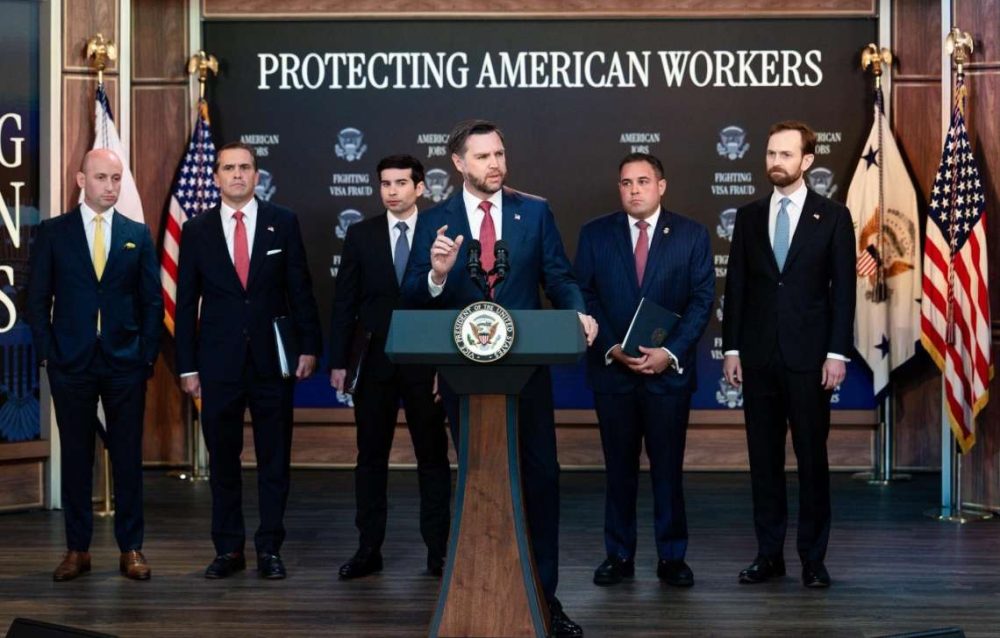
New Delhi says curbs on Microsoft, Infosys, TCS and other technology companies undermine shared economic ambitions, as JD Vance faces criticism over claims of visa abuse…reports Asian Lite News Desk India has
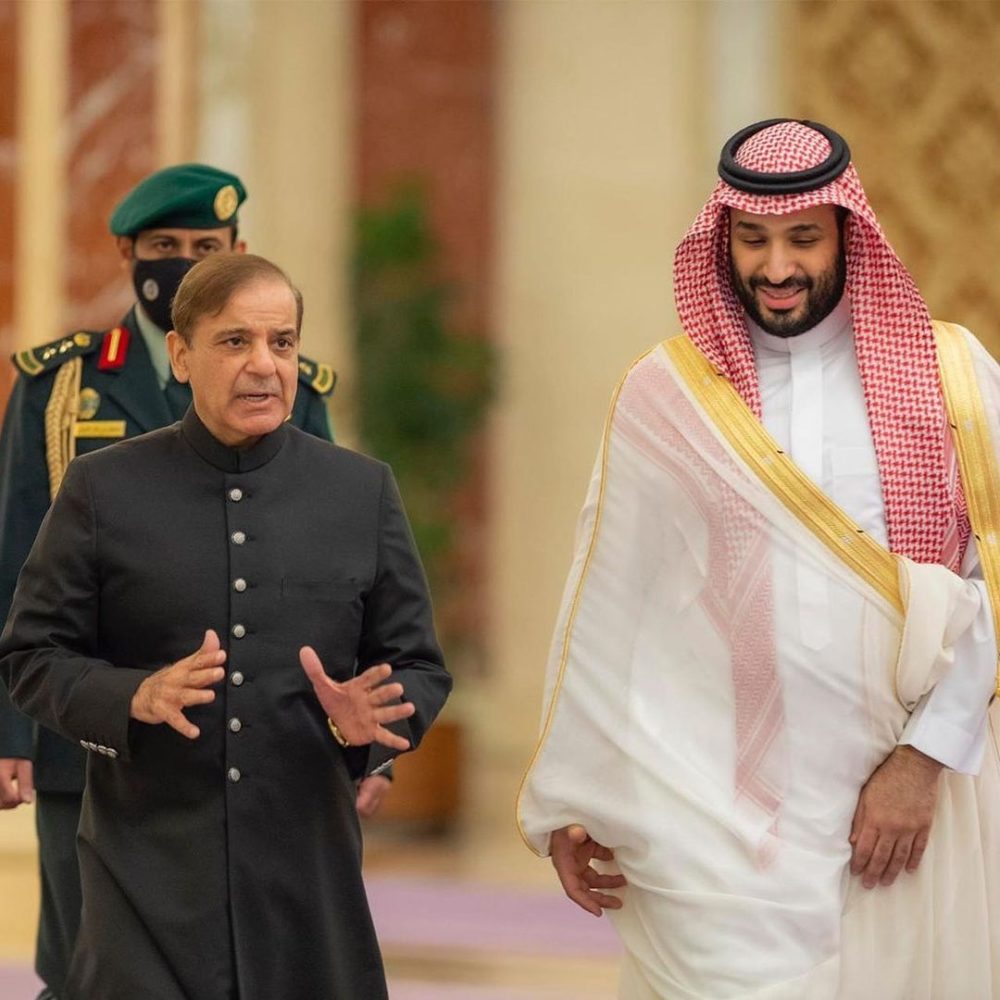
Pakistan’s expanding military role in Saudi Arabia amid the Yemen conflict could strain its defence resources and fragile finances…reports Asian Lite News Desk Pakistan’s military involvement in the war in Yemen may prove unsustainable because of mounting financial pressures and competing security demands, according to a new report. Islamabad’s growing military presence in Saudi Arabia risks stretching its defence resources while exposing the country to greater strategic and economic challenges. An article by Andrew Wilson in One World Outlook describes Pakistan’s involvement as a case of “fiscal and strategic overreach”, arguing that the country lacks the financial flexibility to sustain an expanded military commitment. Pakistan’s external finances depend heavily on an International Monetary Fund (IMF) programme, financial support from Gulf countries and remittances from Pakistani workers in the region. The report argues that deeper military involvement in the conflict could place additional pressure on these sources of financial stability. It also warns that deploying troops and military equipment abroad could weaken Pakistan’s capacity to address security challenges along its eastern border and deal with two domestic insurgencies. The move could also draw Islamabad into a conflict it has sought to approach cautiously. A Reuters report in May, citing Pakistani security and government sources, said Islamabad had deployed around 8,000 troops, a squadron of approximately 16 aircraft, mostly JF-17 fighter jets, two drone squadrons and a Chinese HQ-9 air-defence battery to Saudi Arabia. According to those sources, Riyadh was financing the deployment, with Pakistani personnel operating the equipment. The sources also said a confidential agreement contemplated the possibility of deploying up to 80,000 troops. Islamabad has not confirmed those figures, although it has acknowledged its military presence in Saudi Arabia, including the deployment of fighter jets at King Abdulaziz Air Base from April. The One World Outlook article argues that Saudi financial support can cover allowances and operating expenses but cannot easily replace military equipment needed elsewhere or resolve the political and strategic challenges of participating in the Yemen conflict. Pakistan’s defence budget is another concern. For the 2026-27 financial year, the federal government allocated PKR 3 trillion, or approximately $10.8 billion, to defence services. The allocation represents an 18 per cent increase from the original PKR 2.55 trillion provision and amounts to around 2.1 per cent of projected gross domestic product (GDP). Defence spending accounts for approximately 16 per cent of the federal government’s PKR 18.8 trillion expenditure. Military pensions are budgeted separately at PKR 822 billion, while debt servicing costs stand at approximately PKR 8 trillion, more than two-and-a-half times the defence allocation. The report argues that these competing financial obligations leave little room for additional military expenditure without placing further pressure on public finances. Pakistan’s reliance on IMF assistance also limits its fiscal flexibility. The country must meet the conditions attached to the programme, including a primary budget surplus target of 2 per cent of GDP and continued restraint on development spending. According to the article, these requirements make it difficult for Islamabad to finance an additional military commitment without compromising other budgetary priorities. Pakistan’s economic indicators offer limited reassurance. Economic growth for the 2025-26 financial year is estimated at between 3.6 and 3.7 per cent, while inflation reached approximately 10.3 per cent in September following an energy price shock. Foreign exchange reserves stood at around $21.5 billion at the end of September. Although this marks an improvement from the low levels recorded in 2023, the report notes that the reserves cover only a few months of imports. Financial assistance from Gulf partners remains central to Pakistan’s external stability. The article says Islamabad holds approximately $8 billion in Saudi deposits at its central bank. In July, the State Bank of Pakistan said Riyadh had extended the maturity of $5 billion in deposits to December 2028, easing the country’s immediate external financing requirements. A further $3 billion deposit was also extended in the spring. However, the article argues that these arrangements provide temporary relief rather than long-term financial independence, particularly as regional conflict threatens the stability of the Gulf economies on which Pakistan relies. The report concludes that Pakistan faces a difficult balance between supporting Saudi Arabia militarily and preserving the financial and military resources needed to address its domestic and regional challenges.
Ed Miliband warns Putin he will remain a pariah as Britain announces £54m in winter aid, fresh sanctions and funding for war crimes justice…reports Asian Lite News Desk Ed Miliband has warned
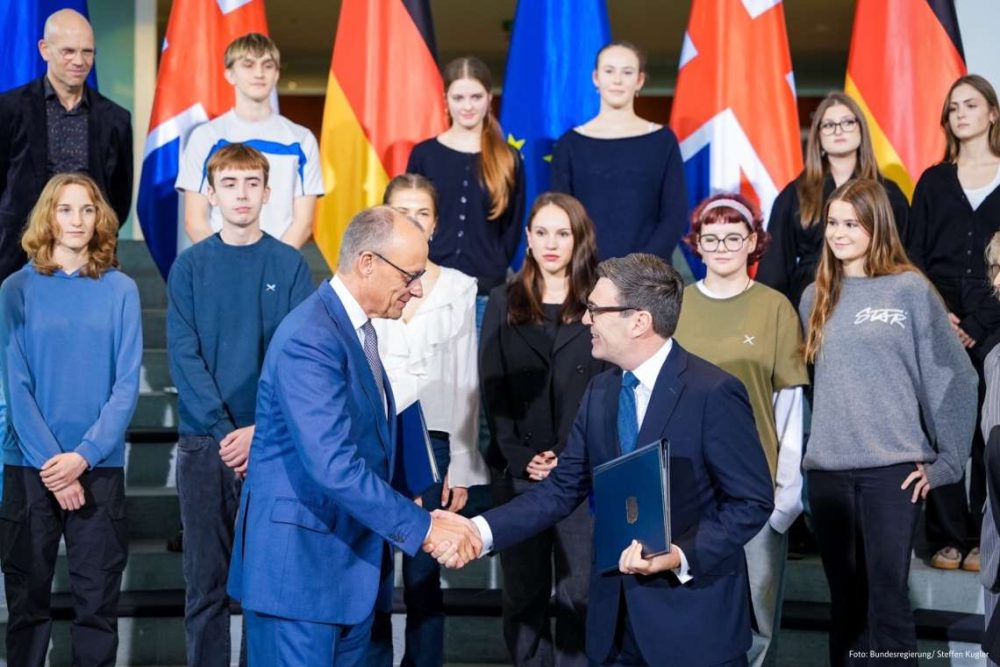
Britain and Germany ratify the Kensington Treaty, agreeing new cooperation on AI, quantum research, defence and security while targeting investment, jobs and Russian hybrid threats…reports Asian Lite News Desk Britain and Germany
If there is one thing that can bring some comfort to the struggling Bangladeshi economy, it is good relations with India. Bangladesh should remember that Delhi’s backing, through easy supplies of essentials