The treaty aims to strengthen economic ties between the two nations, fostering a conducive environment for mutual investment and collaboration…reports Asian Lite News
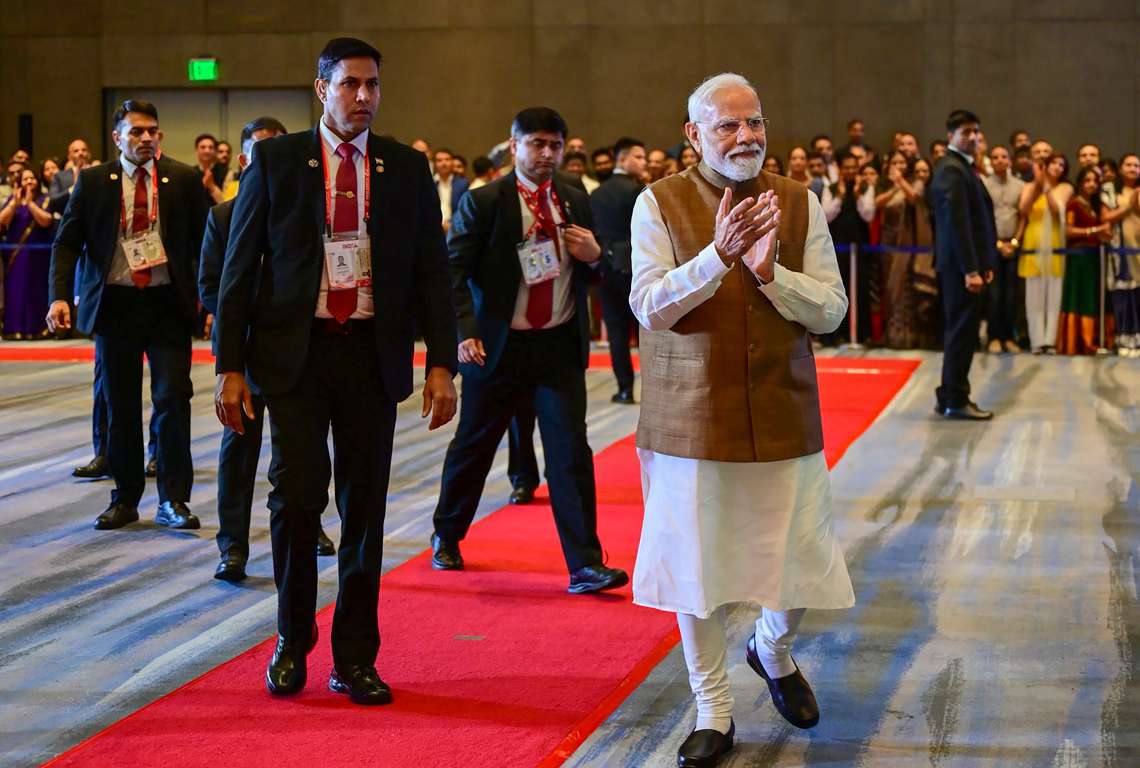
The Union Cabinet, chaired by Prime Minister Narendra Modi has approved the signing and ratification of a Bilateral Investment Treaty between India and the United Arab Emirates (UAE).
This landmark decision is expected to significantly enhance investor confidence and pave the way for increased Foreign Investments and Overseas Direct Investment (ODI) opportunities.
The treaty aims to strengthen economic ties between the two nations, fostering a conducive environment for mutual investment and collaboration. With a focus on bolstering economic growth, the agreement holds promise for creating a robust framework that encourages businesses from both countries to explore and expand their ventures.
In a move set to benefit India’s agricultural sector, the Cabinet has granted approval for the extension of the Animal Husbandry Infrastructure Development Fund. This decision is poised to leverage private investment, motivating farmers to invest more in critical infrastructure. The anticipated outcome is an increase in productivity.
The Cabinet has also extended the scheme of sugar subsidy for Antyodya Anna Yojna (AAY) families, distributed through the Public Distribution Scheme (PDS), for an additional two years. By facilitating access to sugar for the poorest of the poor, the scheme aims to enhance their diet with essential energy, ultimately contributing to improved health outcomes.
A significant structural reform has received the Cabinet’s approval, with the determination of marketing margins for the supply of domestic gas to fertilizer (urea) manufacturers for the period between May 2009 and November 2015. This move is expected to incentivize manufacturers, encouraging increased investment and pushing the nation towards self-sufficiency in fertilizers.
Acknowledging the significance of the textile industry, the Cabinet has also given the green light for the continuation of the Scheme for Rebate of State and Central Taxes and Levies for the export of Apparel/Garments and Made ups. This ongoing initiative has played a pivotal role in enhancing the competitiveness of Indian exports in these value-added and labor-intensive segments of the Textile Value Chain. (ANI)